Essential Tips for Choosing the Right Screwed Ball Valve?
Choosing the right Screwed Ball Valve is crucial for optimal industry performance. These valves are essential in controlling fluid flow. According to the Industry Valve Report (2022), the global valve market is projected to reach $90 billion by 2026. The demand for Screwed Ball Valves specifically is rising due to their versatility.
When selecting a Screwed Ball Valve, professionals must consider various factors. The valve’s material, size, and pressure rating significantly influence performance. Industry experts highlight that improper selection leads to costly downtime and safety hazards. Furthermore, various manufacturers provide valves, but quality varies widely.
It’s important to assess both reliability and specifications. Not all Screwed Ball Valves are created equal. A common pitfall is overlooking the valve's long-term maintenance needs. Data suggests that poorly maintained valves can reduce efficiency by 30%. Making an informed choice can enhance system reliability and sustainability, ensuring long-term success.
Understanding the Basics of Screwed Ball Valves
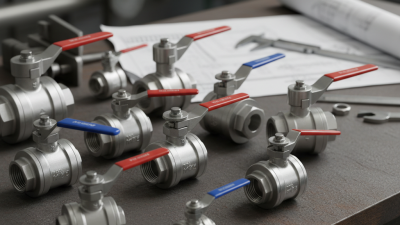
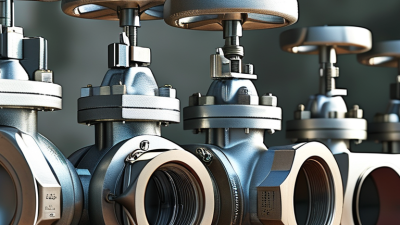
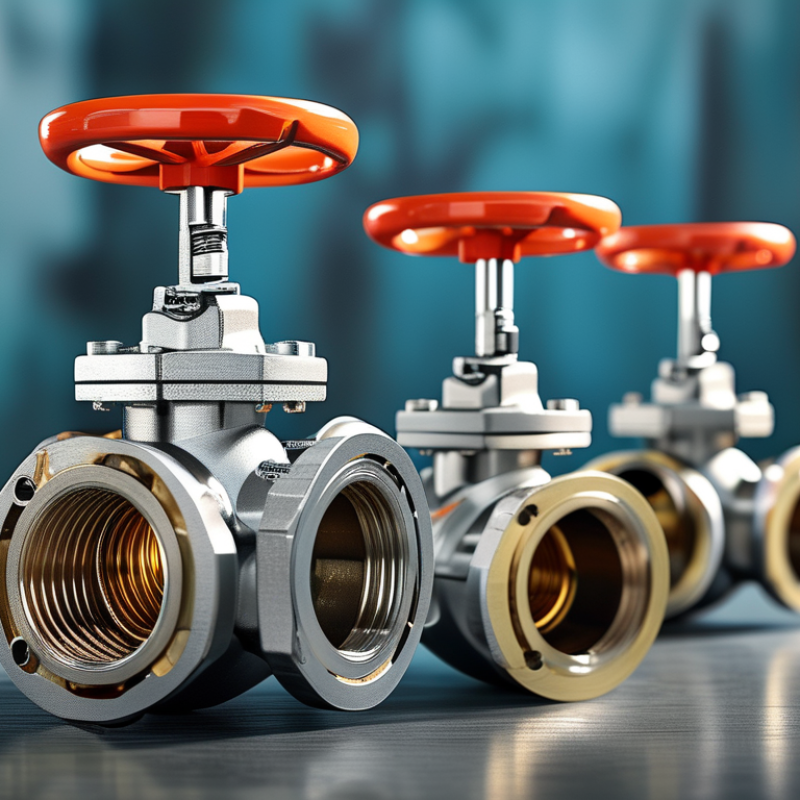
Screwed ball valves are crucial components in various piping systems. They provide reliable control over flow rates and pressure. Understanding their construction is vital for making informed choices. These valves consist of a spherical disc that rotates to open or close the flow passage. It's essential to know the materials used for their construction, as they directly affect durability and suitability for different applications.
When choosing a screwed ball valve, consider the sizes available. These valves come in various diameters, and selecting the right size ensures optimal performance. Additionally, pay attention to the pressure ratings. Some valves can handle high pressures, while others are suited for lighter applications. If you overlook this detail, it could lead to failures.
Another important aspect is the sealing mechanism. A well-designed sealing ensures minimal leakage. However, not all seals are created equal, and some may degrade quicker than expected. Regular maintenance is necessary to address potential wear. Reflecting on the valve's application helps in making better choices. This simple step can prevent costly mishaps over time.
Identifying Key Specifications for Your Application
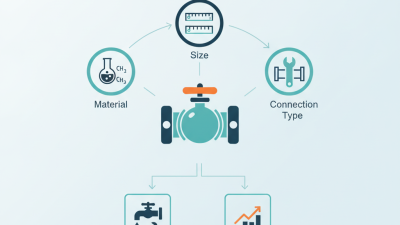
Choosing the right screwed ball valve requires a clear understanding of your application’s needs. Key specifications play a crucial role in ensuring optimal performance. Start with the size of the valve. Measure the pipe diameter accurately. This helps in selecting a valve that fits seamlessly into your system. An incorrect size can lead to leaks or pressure losses.
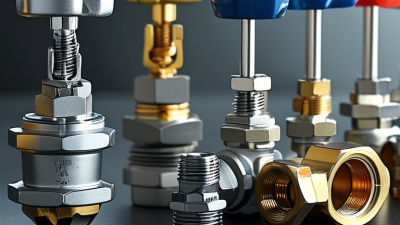
Next, consider the material of the valve. Options include brass, stainless steel, and PVC. Each material has its unique properties. For instance, stainless steel offers high corrosion resistance, suitable for harsh environments. On the other hand, PVC is lightweight and cost-effective, but may not withstand high temperatures. Evaluate the operating conditions, including pressure ratings and temperature levels. This information ensures that the valve performs reliably without failure.
Lastly, think about the valve's connection type. Screwed connections are common, but verify compatibility with your existing setup. If uncertain, consulting with a valve expert can provide valuable insights. Each application is different, and overlooking these specifications may result in costly mistakes. Aim for a balance between quality and cost, but don’t sacrifice reliability for savings.
Material Considerations for Durability and Corrosion Resistance
When selecting a screwed ball valve, material choice is crucial. The durability of the valve largely depends on the material's ability to resist corrosion and withstand pressure. According to industry reports, nearly 30% of valve failures stem from corrosion-related issues. Stainless steel and brass are the top choices for many applications, offering a good balance of strength and corrosion resistance.
Stainless steel, particularly grades 304 and 316, is highly favored in harsh environments. Grade 316 offers greater resistance to chlorides, making it suitable for marine applications. Brass and bronze valves are also effective in non-corrosive scenarios. However, they may corrode over time when exposed to aggressive chemicals. An API study shows that choosing the right material can extend valve life by 20-30%.
It's essential to assess your specific operating environment. Think about temperature fluctuations and chemical exposure. Not all materials perform equally under stress. If misapplied, even high-grade stainless steel can be vulnerable. The decision must consider both long-term and short-term effects on valve performance. Regular inspections and maintenance are critical to ensure reliability and prevent premature failures.
Evaluating Size and Pressure Ratings for Optimal Performance
When selecting a screwed ball valve, size and pressure ratings are crucial factors. The valve must fit within the system's specifications to ensure effective operation. A valve that is too small can restrict flow, leading to inefficiencies and potentially damaging pressure build-up. Conversely, a valve that is too large might not seal properly, causing leaks. It’s essential to measure the pipeline diameter accurately.
Pressure ratings define the maximum pressure the valve can handle without failure. Understanding the system’s pressure fluctuations is vital. Valves rated for higher pressure will perform better under varying conditions. However, oversizing a valve could result in unnecessary costs and complications. Trusting your instincts can sometimes mislead you here. Always consult with a professional when in doubt. Valuable insights can help clarify the specific requirements of your application.
Balancing these factors isn't straightforward. There’s often a gray area where choices can be subjective. What works for one project may not suit another. Reflect on your system's unique characteristics before making a decision. Gathering feedback from experienced users can lead to a more informed choice. Ultimately, understanding the nuances of size and pressure ratings can bridge the gap between a good selection and an optimal performance.
Essential Tips for Choosing the Right Screwed Ball Valve
| Dimension |
Description |
Size (inches) |
Pressure Rating (PSI) |
Material |
| Diameter |
Inner diameter of the valve |
1 |
150 |
Stainless Steel |
| Thread Size |
Type of threading on the valve |
1/2 |
200 |
Brass |
| End Connection |
Connection type for installation |
3/4 |
300 |
PVC |
| Maximum Flow |
Rate of flow through the valve |
2 |
150 |
Carbon Steel |
| Temperature Range |
Operating temperature limit |
3 |
100 |
Alloy |
Assessing Manufacturer Reputation and Product Warranties
When selecting a screwed ball valve, assessing the manufacturer's reputation is crucial. A reputable manufacturer often has a history of producing reliable products. Research online reviews and industry feedback. Look for long-standing companies with a proven track record. Engaging with professionals in the field can provide additional insights. Their experiences can guide your decision.
Product warranties reveal a manufacturer’s confidence in their offerings. A robust warranty indicates reliability and quality assurance. If a manufacturer offers a lengthy warranty, it suggests they trust their product will perform well. Pay attention to the terms of the warranty. A vague warranty may raise red flags. Understand what is covered and for how long.
Evaluating both reputation and warranty can be complex. You might encounter brands with great reviews but short warranties. It's important to weigh these factors together. Sometimes, a lesser-known brand may provide better warranties. This could lead to effective performance and long-term satisfaction. Trusting your instincts and gathering information remains vital.