How to Choose the Best Screwed End Ball Valve for Your Needs?
When selecting a Screwed End Ball Valve, understanding your specific needs is crucial. These valves are versatile in various applications but come with many features. It can be overwhelming to navigate through the options available in the market.
Consider the materials used in the construction of the Screwed End Ball Valve. The right material will ensure durability and compatibility with your system. A valve made of stainless steel, for example, may be ideal for harsh environments. Yet, not every application requires such robustness.
Additionally, pay attention to the size and pressure ratings. A mismatch here can lead to failures and costly repairs. Take time to analyze your system’s requirements. A thoughtful approach can prevent future issues. It’s essential to weigh quality against cost. Investing in a reliable valve may save money long-term. Ultimately, the best Screwed End Ball Valve should offer a balance of function and longevity, tailored to your specific needs.
Understanding the Basics of Screwed End Ball Valves in Industrial Applications
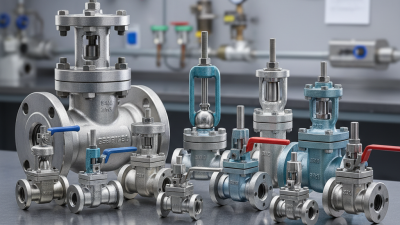
Screwed end ball valves play a vital role in various industrial applications. Understanding their basic structure and function can guide your choice effectively. These valves use a spherical closure element to start or stop flow in a pipeline. Their design often features threaded ends, allowing for easy installation.
When selecting a screwed end ball valve, consider the material of the valve and the fluid it will control. For instance, high-temperature applications require specific materials to ensure durability. Some valve types may not perform well under certain conditions. Always verify compatibility with your system.
Tips: Always assess the working pressure and temperature of your system. This will guide you toward choosing a suitable valve. Don’t overlook the importance of regular maintenance. Many users find that neglecting this can lead to unforeseen leaks or failures. Identifying the right size and thread type can also be challenging but is crucial for proper operations.
Keep in mind, a wrong selection can lead to significant problems. It can result in leaks or pressure loss. Pay attention to installation practices as well; improper fitting can compromise valve integrity. Your choice can greatly impact system efficiency.
Comparison of Different Sizes of Screwed End Ball Valves
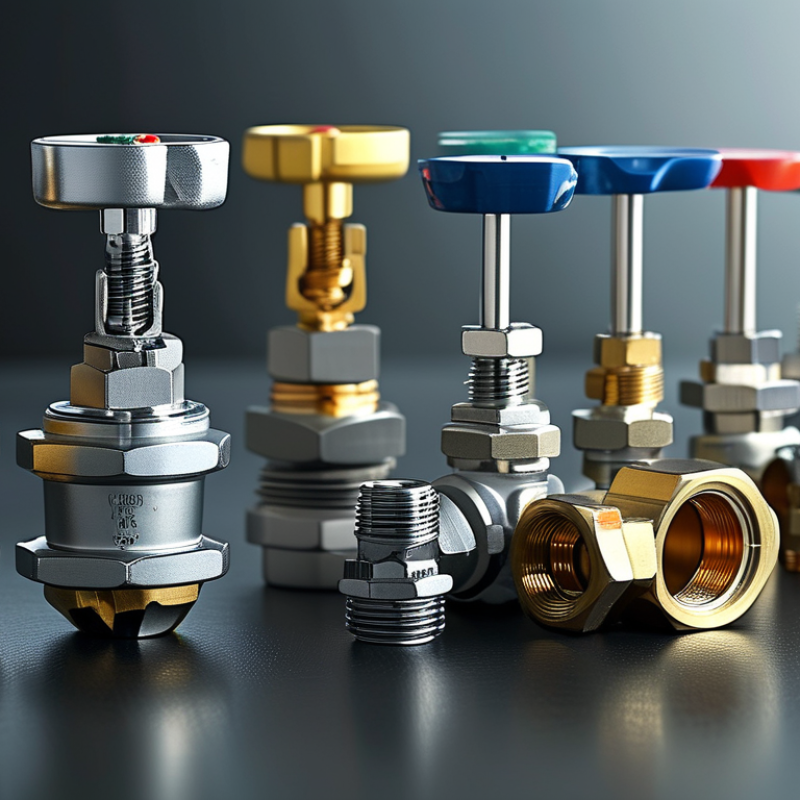
Evaluating Material Choices: Stainless Steel vs. Brass for Ball Valves
When selecting a screwed end ball valve, the choice between stainless steel and brass is pivotal. Stainless steel valves are known for their high corrosion resistance and durability. In industrial environments, they often outperform brass counterparts. According to a report by the American Society of Mechanical Engineers, stainless steel valves generally last 2-3 times longer than brass in corrosive settings. This longevity can lead to lower maintenance costs over time.
However, brass valves offer excellent performance in many applications. They are typically more affordable and have good mechanical properties. For instance, brass has a lower thermal conductivity than stainless steel, which can be advantageous in specific situations. A study from the Valve Manufacturers Association indicated that brass valves are often preferred in low-pressure scenarios. They provide reliable sealing and resistance to wear, though they can be less effective under extreme conditions.
Both materials have their merits and drawbacks. Choosing the right valve depends on the specific use case. An analysis of requirements is essential. Consider factors such as fluid type, pressure, and temperature. Misjudging these parameters can lead to valve failure or inefficient operation. It’s crucial to weigh your options carefully based on environmental conditions and expected performance.
Key Specifications to Consider: Pressure Ratings and Size Standards
When selecting the best screwed end ball valve, understanding pressure ratings and size standards is crucial. Pressure ratings indicate the maximum pressure a valve can handle without failure. According to industry standards, the maximum pressure ratings generally range from 150 psi to 600 psi. Selecting a valve with an appropriate rating ensures safety and efficiency in operations.
Size standards are equally important. The nominal size of a ball valve affects fluid flow and capacity. Common size standards are measured in inches or millimeters. Typically, sizes range from 1/4 inch to 12 inches. The proper size can prevent pressure drops and maintain flow rates. Using inappropriate sizes can lead to inefficient performance and costly downtime.
Tips: Always confirm the compatibility of the valve size with your existing system. Check for any specific regulations in your industry that might dictate the size or pressure ratings required.
Another detail to reflect on is the material of the valve. Different applications require different materials, which can affect both performance and durability. For example, stainless steel valves resist corrosion, making them suitable for harsh environments. Conversely, brass valves may be more cost-effective but less durable. Investing time in material selection can significantly impact the valve's lifespan.
Installation Guidelines and Best Practices for Screwed End Ball Valves
When installing a screwed end ball valve, it’s crucial to ensure proper alignment.
Misalignment can lead to leakage and operational failures. According to industry reports,
up to 20% of valve-related issues stem from improper installation practices. Start by checking
the valve and pipe threads for cleanliness and damage. This step is essential to avoid
issues down the line.
Proper torque application is equally important. Over-tightening may cause thread stripping
or cracking, while under-tightening can result in leaks. The recommended torque values typically
range between 30-50 ft-lbs for standard sizes, but always refer to specific guidelines for
your valve type. Pay attention and adjust as needed.
Tip: Use joint compound or Teflon tape on the threads to enhance the seal.
However, don't overdo it; excess material can create blockages. Regular maintenance checks can
help identify potential issues early. Manuals often suggest these checks, yet many overlook them,
leading to unexpected failures. Being proactive can save costs and ensure safety.
Common Applications and Industries Utilizing Screwed End Ball Valves
Screwed end ball valves are widely utilized across various industries due to their reliability and ease of installation. The oil and gas sector, for instance, relies heavily on these valves for safe fluid handling. According to the Global Valves Market Report, the demand for ball valves in this industry is projected to grow by 5.3% annually through 2026. Their robust design ensures durability under extreme pressures and temperatures.
In the water treatment and plumbing industries, screwed end ball valves are essential. They help manage the flow of water and other liquids effectively. A study from the Water Environment Federation highlights that proper valve selection can enhance system efficiency by 20%. However, the choice of valve must consider factors like material compatibility and pressure ratings. Many organizations fall short in performing thorough evaluations.
Food and beverage manufacturers also use these valves. They ensure hygiene and control during production. A survey revealed that 70% of companies encountered issues with valve maintenance, leading to unexpected downtimes. It’s crucial to assess operational needs regularly. Ignoring this can lead to costly setbacks in production and compliance issues. Quality and performance must always be prioritized.