2026 Top Three Piece Ball Valve Buying Guide and Tips?
In the world of fluid control, the "Three Piece Ball Valve" stands out as a critical component. Howard R. Johnson, an industry expert with over 20 years in valve technology, emphasizes its importance, stating, "The three-piece ball valve offers unmatched flexibility and reliability in various applications." Understanding how to choose the right model is vital for ensuring optimal performance and longevity.
When considering a Three Piece Ball Valve, factors such as material, size, and pressure rating must be evaluated carefully. These valves can serve numerous industries, from oil and gas to water treatment. However, the overwhelming options can lead to indecision. It’s crucial to analyze each project’s specific requirements to avoid costly mistakes.
Moreover, the installation and maintenance of these valves can be complex. Many users overlook maintenance needs, which can lead to operational failures. Reflecting on past experiences can guide future choices, ensuring that the right Three Piece Ball Valve is selected for maximum efficiency and reliability. Adjusting to these details is essential for any professional in the field.
Understanding Three Piece Ball Valves: Definition and Functionality
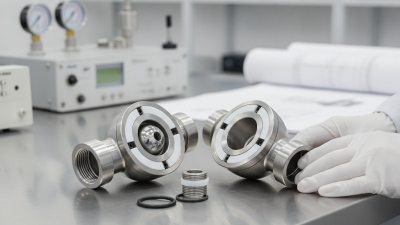
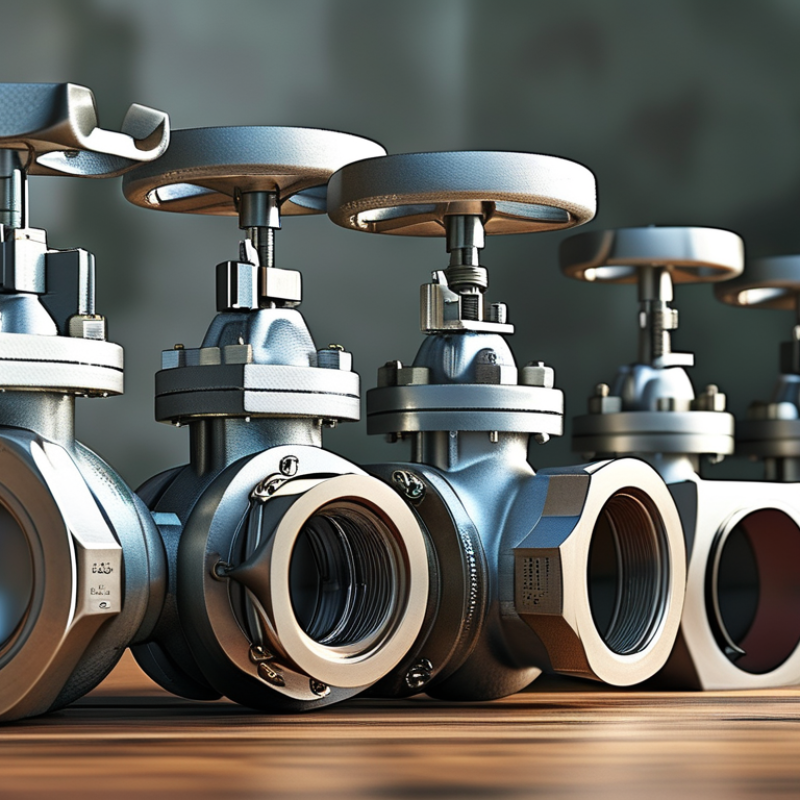
Three piece ball valves are essential components in various piping systems. They consist of three major parts: the body, the ball, and the end pieces. This design offers easy maintenance and repair. The ball controls fluid flow when rotated. Its reliable sealing capability makes it ideal for numerous applications.
Understanding their functionality is vital. Three piece ball valves can be easily disassembled without removing the entire valve from the pipeline. This feature saves time and labor costs during maintenance. However, the installation process can be tricky. Ensure correct alignment to avoid leaks. Assess your piping system to determine the right size and pressure rating.
When buying a three piece ball valve, consider the material. Stainless steel is a popular option for corrosion resistance. Brass valves are more cost-effective but may not perform well under extreme conditions. Evaluate your specific needs carefully. Remember, not all valves are created equal. A poor choice can lead to operational inefficiencies.
Key Factors to Consider When Buying Three Piece Ball Valves
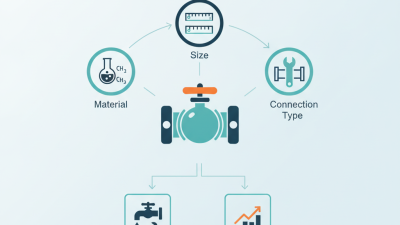
When selecting three-piece ball valves, several key factors come into play. Material selection is crucial. Common materials include stainless steel and carbon steel. Each offers different resistance to corrosion and pressure. Consider your specific application needs. For high-temperature environments, certain alloys might be better. Always check the specifications.
Size and connection type matter too. Common sizes range widely. Ensure the valve fits your piping system. Threaded, welded, and flanged connections all have unique advantages. Tight seals are essential for preventing leaks. Inspect the connection types available to avoid compatibility issues.
Actuation options are equally important. Manual, pneumatic, or electric actuators each serve different needs. Evaluate the frequency of use—automatic options may save time. Remember, easier operation might lead to better efficiency. Finally, always review manufacturer recommendations. Look for compliance with industry standards. This enhances reliability and performance.
Comparing Popular Brands: A Review of Top Three Piece Ball Valves
When selecting a three piece ball valve, brand reputation often plays a vital role. According to industry reports, reputable manufacturers prioritize quality control and innovative design. Their products typically show a lower failure rate, averaging around 2% compared to competitors with rates as high as 5%. This reliability can save costs over time, making it essential to consider brands acclaimed for their engineering prowess.
Another important factor is material selection. Many top brands utilize stainless steel or brass, as these materials perform better against corrosion and temperature extremes. Data shows that valves made from these materials can extend service life significantly. Some users, however, overlook the need for compatibility with specific fluids. Incompatibility can lead to leaks or failures, which might be avoided with careful brand selection.
Lastly, user reviews can provide insight into functionality and durability. While professional assessments may suggest a brand is excellent, customer experiences reveal other aspects. Instances of leaking or sticking valves can remind us that no design is flawless. Brands may also vary in customer service responsiveness. This inconsistency can greatly affect overall satisfaction and operational efficiency. It's crucial to weigh these elements when making a decision.
2026 Top Three Piece Ball Valve Buying Guide and Tips
| Feature |
Option 1 |
Option 2 |
Option 3 |
| Material |
Stainless Steel |
Brass |
PVC |
| Pressure Rating |
600 PSI |
300 PSI |
150 PSI |
| Temperature Range |
-20°C to 150°C |
-10°C to 85°C |
0°C to 60°C |
| End Connection Type |
Threaded |
Welded |
Flanged |
| Common Applications |
Water Supply |
Gas Systems |
Chemical Processing |
Installation and Maintenance Tips for Three Piece Ball Valves
When it comes to installing and maintaining three-piece ball valves, understanding the specific requirements is crucial. These valves are popular in various industries due to their robust design and ease of maintenance. The right installation process can range from 30 minutes to several hours, depending on the system complexity. An incorrect installation can lead to leaks, increased wear, and premature failure. Industry reports indicate that improper installation accounts for approximately 25% of valve failures, emphasizing the need for attention to detail.
Regular maintenance is essential to ensure the longevity and reliability of these valves. It's recommended to inspect the seals and seats at least once a year. Many professionals overlook this, resulting in costly downtime. Lubrication plays a pivotal role too. Using the correct type and amount of lubricant can prevent wear and tear, enhancing performance. Data suggest that valves that undergo regular maintenance can have a 50% longer lifespan than those that do not.
Identifying signs of wear early on can mitigate the risk of severe issues later. If you notice unusual noises or changes in fluid flow, it may be time for an inspection. Keep in mind, though, that maintenance schedules need to be tailored to the specific environment and application. This flexibility is sometimes neglected, leading to either over-maintenance or under-maintenance of these critical components.
Common Applications and Industries Using Three Piece Ball Valves
Three piece ball valves are versatile components in various industries. They play a critical role in regulating and controlling fluid flow. Common applications include water treatment, oil and gas, and food processing. Each of these sectors demands high reliability and durability.
In water treatment, three piece ball valves help manage the flow of water and ensure safety. They resist corrosion, which is vital in controlling water quality. In the oil and gas industry, these valves manage harsh substances. Their ability to handle high pressure and temperature is essential. The food processing sector also benefits from these valves due to hygienic standards. They allow easy cleaning and maintenance, ensuring product safety.
However, choosing the right valve requires careful consideration. Not all three piece ball valves fit every application. Users must assess operating conditions, including pressure and temperature. Material compatibility is vital too. If the wrong material is chosen, failures could occur. Understanding these factors can lead to better decision-making and reliable operations.