Top 10 Three Piece Ball Valve Buying Guide for Global Buyers?
When considering the purchase of a Three Piece Ball Valve, expertise is vital. According to John Smith, a renowned valve technology expert, "Choosing the right Three Piece Ball Valve can influence the entire piping system’s efficiency." Understanding this complexity is essential for global buyers.
Three Piece Ball Valves are preferred for their adaptability and reliable performance. They offer excellent sealing capabilities and can be easily maintained. Their design allows for quick dissembles, making repairs simple. However, not all options on the market meet these high standards. Buyers should be cautious and informed.
In this competitive market, it’s easy to feel overwhelmed. Many products claim superior quality, yet not all deliver. It’s important to reflect on product specifications and supplier credibility. Every decision impacts performance and safety. By focusing on the right features and reliable manufacturers, buyers can make informed choices that ensure satisfaction and durability.
Understanding Three Piece Ball Valves and Their Applications
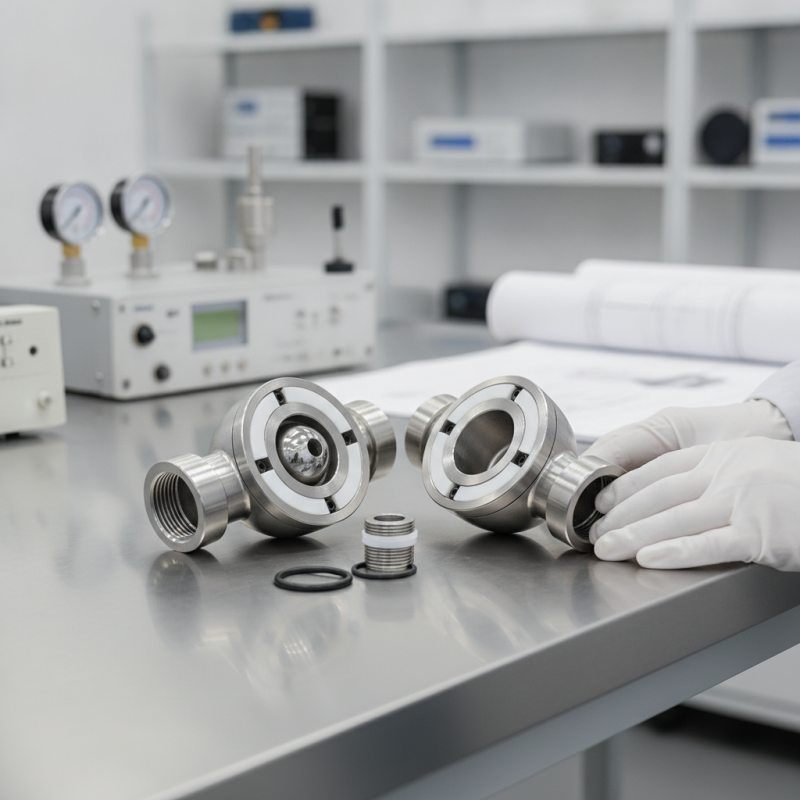
Three-piece ball valves are essential in various industries. Their design allows for easy maintenance and replacement. Often used in oil, gas, and water treatment, these valves maintain flow control efficiently. According to industry reports, the global three-piece ball valve market is expected to grow at a CAGR of over 5% by 2025. This growth is driven by increased infrastructure projects worldwide.
The versatility of three-piece ball valves is noteworthy. They can handle various fluids and gases under different pressures and temperatures. For example, they are perfect for high-pressure applications, ensuring minimal leakage and maximum reliability. Reports indicate that improper valve selection can lead to frequent breakdowns, emphasizing the need for informed purchasing decisions.
Despite their advantages, challenges remain. Variations in manufacturing quality can affect performance. Buyers should focus on material standards and certifications. Investing in high-quality valves can prevent costly downtimes. It’s crucial to consider long-term benefits over short-term savings. This decision often influences operational efficiency.
Key Features to Consider When Choosing Three Piece Ball Valves
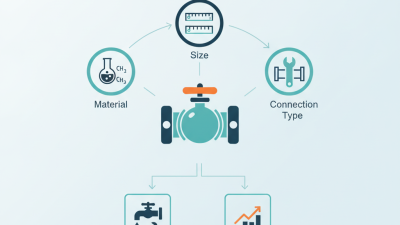
When selecting a three-piece ball valve, evaluating its construction is vital. These valves often feature stainless steel bodies. This material offers resistance to corrosion and enhances durability. Each component's design influences performance, so seek valves with precise machining. Proper seals should ensure leak-proof operation.
Another essential factor is the valve's pressure rating. A higher rating often indicates better capability in handling demanding environments. Ensure the valve meets your specific operational needs, especially in high-pressure applications. Ease of maintenance is also critical. Three-piece designs simplify servicing, allowing for replacements without removing the entire system.
Consider the valve operation type as well. Manual, electric, or pneumatic options offer flexibility. Choose based on your system's requirements and user preferences. It's important to review flow characteristics too. An improper flow design may lead to inefficiencies. Testing the valve under real-world conditions can provide insights into its performance, ensuring that you make an informed choice.
Top 10 Three Piece Ball Valve Features Comparison
Different Materials Used in Three Piece Ball Valve Manufacturing
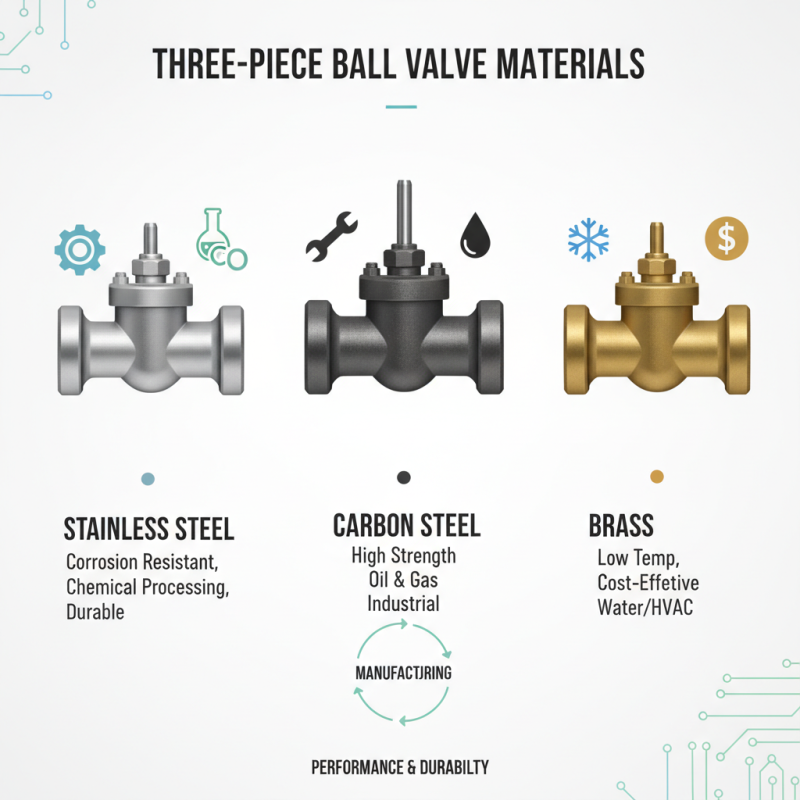
Three piece ball valves are essential in various industrial applications. The materials used in their construction directly impact performance and durability. Common materials include stainless steel, carbon steel, and brass. Each has unique properties that cater to different operational requirements. For example, stainless steel offers excellent corrosion resistance, making it suitable for chemical processing. In contrast, brass is often chosen for low-temperature applications due to its lower cost.
In a recent report by MarketsandMarkets, the global ball valve market is projected to reach $15.1 billion by 2025, driven primarily by demand in the oil and gas sector. Various materials will play a pivotal role in shaping this industry. Carbon steel is preferred for high-pressure applications, while plastic options are emerging for lighter applications. Material selection often involves trade-offs, such as the balance between cost and longevity.
Understanding these material properties is crucial for selecting the right valve. Not all applications require high-grade stainless steel. Sometimes, a standard carbon steel option can suffice, depending on the environment. It's important to evaluate the specific conditions each valve will face. This approach ensures that buyers make informed choices, avoiding over-specification and unnecessary expenses. Ultimately, selecting the right materials is key to achieving reliable valve performance.
Evaluating Performance Standards and Certifications for Valves
When purchasing three-piece ball valves, performance standards and certifications are crucial. They indicate valve quality and reliability. Understanding these standards can help buyers make informed choices. Familiarity with relevant certifications, such as ISO and ANSI, is essential for evaluating a valve's performance. These certifications assure that the valve meets specific industry criteria.
One common mistake buyers make is overlooking pressure rating and temperature limits. These factors heavily influence how a valve performs in different environments. Additionally, not all certifications are equal. Some apply only to certain materials or manufacturing processes. Thus, questioning the validity of these certifications is important.
Furthermore, performance testing results can vary. For instance, a valve may pass a standard test but might struggle in extreme conditions. Consulting with engineers or industry experts can provide insights into real-world performance. Buyers should engage in discussions about prior experiences with similar valves. Collecting user feedback can lead to better decision-making later.
Top 10 Three Piece Ball Valve Buying Guide for Global Buyers
| Valve Size (inches) |
Material |
Pressure Rating (PSI) |
Temperature Range (°F) |
Certification |
Performance Standard |
| 1/2 |
Carbon Steel |
1500 |
-20 to 250 |
API 607 |
ASME B16.34 |
| 3/4 |
Brass |
1000 |
-20 to 300 |
CE |
BS 5351 |
| 1 |
Stainless Steel |
2000 |
-40 to 450 |
ISO 9001 |
DIN 3230 |
| 1.5 |
Plastic |
150 |
-10 to 180 |
NSF |
AWWA C507 |
| 2 |
Cast Iron |
300 |
-10 to 220 |
API 598 |
ISO 17292 |
| 3 |
Bronze |
750 |
-20 to 248 |
UL |
NACE MR0175 |
| 4 |
CPVC |
100 |
-20 to 180 |
FDA |
ASTM D2466 |
| 6 |
Ductile Iron |
300 |
-20 to 220 |
BS EN 12266 |
API 6D |
| 8 |
Aluminum |
150 |
-30 to 200 |
AIB |
ISO 9001 |
| 10 |
Titanium |
2000 |
-10 to 500 |
ASTM |
ASME B16.5 |
Top Brands and Manufacturers of Three Piece Ball Valves Globally
When considering three-piece ball valves, global buyers should focus on the leading brands and manufacturers in the industry. Three-piece ball valves are known for their reliability and ease of maintenance. The market is projected to grow at a CAGR of around 5% from 2020 to 2025. This growth highlights the increasing demand across various sectors, including oil and gas, water treatment, and chemical processing.
Numerous manufacturers shape the competitive landscape. Their advanced technologies ensure high performance and durability. Industry reports indicate that brands with ISO certification often demonstrate superior product quality. Additionally, it is essential to evaluate the materials used in valve construction. Stainless steel remains a popular choice, providing corrosion resistance and longevity.
Despite the market's expansion, challenges persist. Some manufacturers struggle with supply chain issues, affecting timely deliveries. Furthermore, fluctuating raw material prices introduce uncertainty for many companies. Buyers should research the reputation of manufacturers before making a decision, keeping in mind that even reputable brands can face production delays or quality control issues. Such diligence ensures a more informed purchase decision.