2026 How to Choose the Best Three Piece Ball Valve?
Choosing the right Three Piece Ball Valve can be daunting. Industry expert, John Smith, says, "Selecting the best valve is crucial for optimal system performance." This highlights the importance of understanding their features. A Three Piece Ball Valve is versatile, used in various applications, including oil and gas, water treatment, and more.
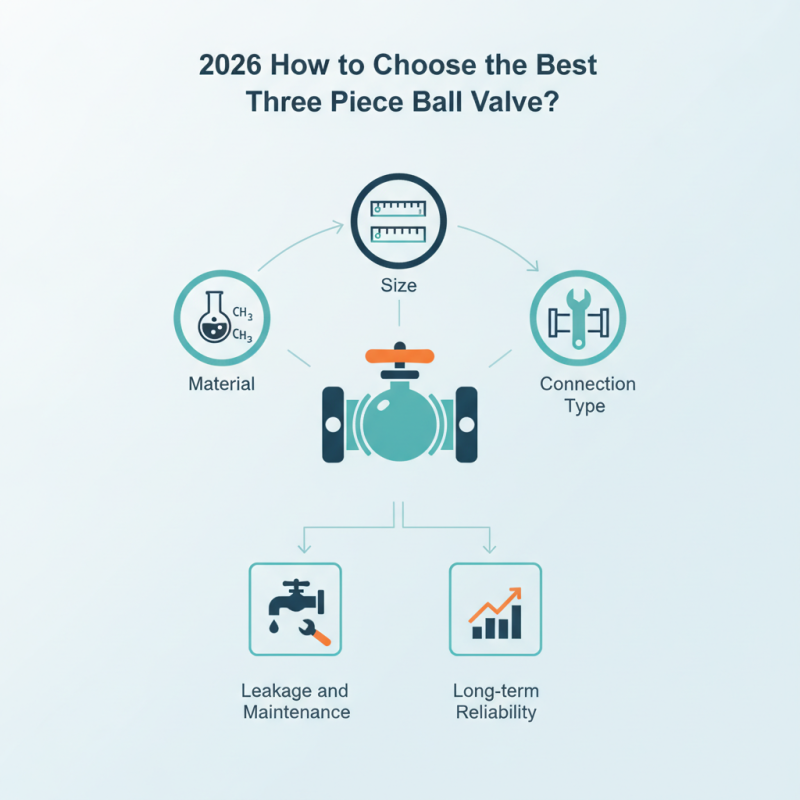
When making a decision, consider factors such as material, size, and connection type. Material impacts durability and chemical compatibility. A mismatched size could lead to efficiency issues. Also, the type of connection determines installation complexity.
However, not all options are perfect. Some may experience leakage or require more maintenance than anticipated. It's essential to weigh these aspects carefully. Ultimately, investing time in choosing the right Three Piece Ball Valve will ensure long-term reliability.
Understanding Three Piece Ball Valves and Their Applications
Three-piece ball valves offer versatility in various applications, from oil and gas to water treatment. Their design allows for easy maintenance and repair without removing the entire valve from the line. Each valve consists of three parts: two end pieces and a middle valve body. This construction can be advantageous in reducing downtime during maintenance.
When choosing a three-piece ball valve, consider the materials. Stainless steel, for example, offers excellent corrosion resistance but may be more expensive. Always evaluate the media that will flow through the valve. Some materials may not be suitable for certain chemicals.
Tips: Regularly inspect your valves for leaks or signs of wear. A small oversight can lead to significant issues later. Additionally, consider the valve's pressure rating. It should match or exceed the maximum pressure in your system. Improper ratings can lead to failures.
Valving can be complex, so it's crucial to consult with experts when selecting your valve. This ensures compatibility and optimal performance. Some end users may overlook these details, leading to costly repairs or replacements. Pay close attention to specifications, as overlooking them can have long-term repercussions.
Key Factors to Consider When Selecting a Three Piece Ball Valve
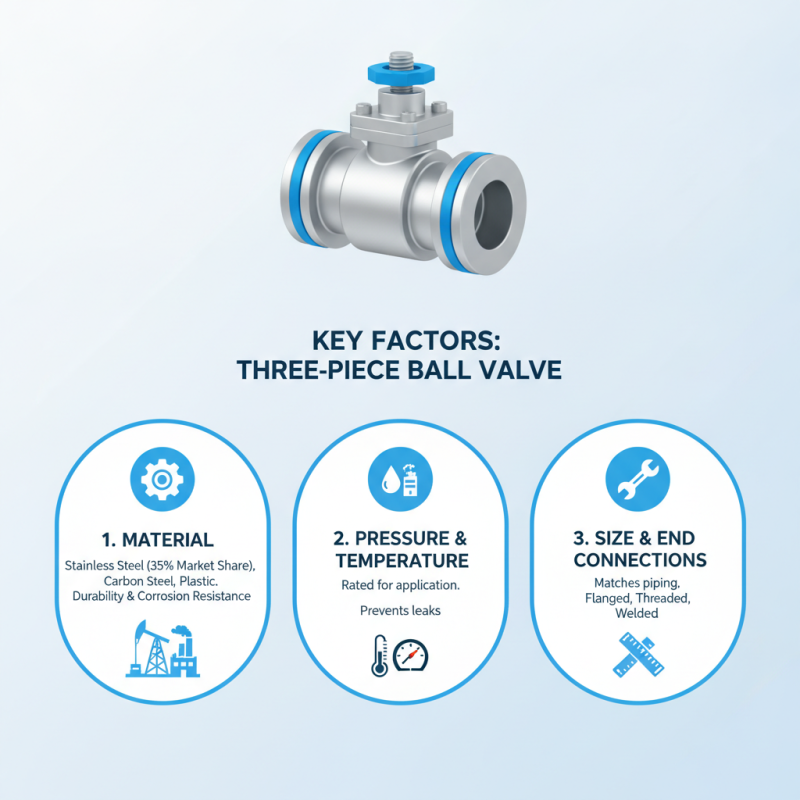
When selecting a three-piece ball valve, several key factors come into play. One crucial aspect is the material. Valves are commonly made of stainless steel, carbon steel, or plastic. According to a report from the Valve Manufacturers Association, stainless steel valves account for approximately 35% of the market due to their durability and resistance to corrosion. This makes them suitable for various applications, especially in industries like oil and gas.
Another important consideration is the valve size and connection type. The American Society of Mechanical Engineers (ASME) offers guidelines on valve sizing, emphasizing that improper sizing can lead to leaks or pressure loss. It's essential to match the valve size with the overall system requirements. Additionally, the connection type—such as welding, threaded, or flanged—impacts installation and maintenance. Choosing the wrong connection type can complicate repairs.
Lastly, always consider the pressure and temperature ratings. Different valves have specific limits for optimum performance. According to industry studies, around 20% of valve failures are related to exceeding these ratings, leading to unscheduled downtime. Evaluating these factors helps ensure reliable operation.
Material Options for Three Piece Ball Valves: Pros and Cons
When selecting a three-piece ball valve, material choice is crucial. The two most common materials are stainless steel and carbon steel. Stainless steel is widely praised for its corrosion resistance, making it ideal for harsh environments. According to industry reports, approximately 70% of applications in the chemical processing sector prefer stainless steel for its durability.
However, carbon steel offers significant cost advantages. This material is often chosen for lower-pressure systems and less corrosive applications. While it can be more economical, it may not withstand extreme temperatures or aggressive chemicals as well as stainless steel. Research indicates that nearly 30% of industries continue to utilize carbon steel, reflecting its practicality, despite the trade-offs in longevity and maintenance.
Users must weigh these pros and cons carefully. While stainless steel may be appealing for its strength and lifespan, it often comes at a higher price point. Conversely, carbon steel's affordability can sometimes lead to increased maintenance costs over time. Decision-makers should consider the specific environment and operational requirements before finalizing their choice.
2026 How to Choose the Best Three Piece Ball Valve? - Material Options for Three Piece Ball Valves: Pros and Cons
| Material |
Pros |
Cons |
Common Applications |
| Stainless Steel |
Corrosion resistant, durable, high strength |
Higher cost, can be heavy |
Water, oil & gas, food processing |
| Brass |
Good corrosion resistance, easy to machine |
Less suitable for high-pressure environments |
Hydronic heating, general plumbing |
| PVC |
Lightweight, inexpensive, good for corrosive fluids |
Limited temperature range, less durable |
Chemical processing, irrigation systems |
| Carbon Steel |
Strong, good for high-pressure applications |
Prone to corrosion, requires protective coatings |
Oil & gas, industrial applications |
Assessing Valve Size and Pressure Rating for Optimal Performance
Choosing the right three-piece ball valve involves careful consideration of valve size and pressure rating.
The valve size must match the pipe diameter for effective flow management. A valve that is too small restricts flow, while one that is too large can lead to leaks.
Understanding the specific requirements of your system is crucial.
Pressure ratings are equally important. They determine how much pressure the valve can handle without failing. Different applications require different pressure levels.
Always check the specifications of your system to ensure compatibility.
Tips: When selecting a valve, consider the operating environment. Temperature changes can affect performance.
Also, evaluate the type of fluid moving through the valve. Some fluids can cause rapid wear, impacting longevity.
It’s essential to remember that a wells-chosen valve can improve efficiency. However, a poor choice can lead to costly repairs and downtime.
Take time to assess your needs thoroughly. Reflection on past choices can also inform your decision. A thorough evaluation can prevent future issues.
Maintenance and Longevity Tips for Three Piece Ball Valves
Maintaining Three Piece Ball Valves is crucial for their performance and lifespan. Regular inspection can prevent leaks and enhance efficiency. Check for wear and tear, especially on seals and seats. If you notice any damage, replace the affected parts promptly. Keeping a detailed log of maintenance activities can also aid in tracking valve performance over time.
Cleaning is vital. Dirt and debris can obstruct valve operation. Use a soft brush to remove particles from the outer surfaces. Avoid using harsh chemicals, as they may degrade materials. Regular lubrication of moving parts is equally important. A well-lubricated valve operates smoothly and reduces friction-related wear.
Tips for extending the life of your ball valves include avoiding rapid temperature changes. Rapid shifts can cause stress and damage. Ensure proper installation to prevent misalignment. Regular training for staff on proper valve operation can also minimize user error. Each of these practices fosters reliability and can extend the valve's service life. Take the time to evaluate your procedures regularly for improvements.
Comparison of Three Piece Ball Valve Materials