Leave Your Message

10 Best Metal Seated Ball Valves for Global Buyers?

Global process industries are demanding valves that withstand abrasive solids, high temperatures, pressure cycling, and corrosive media. Metal Seated Ball Valves remain important where soft seats may deform, burn, or lose sealing performance. Their value appears clearly in mining slurry lines, power plants, refineries, and high-temperature chemical services.

Market evidence supports this continuing demand. Grand View Research estimates the global industrial valves market reached approximately USD 78.7 billion in 2023, with steady growth expected through 2030. MarketsandMarkets reports a comparable expansion, although its forecast differs because it uses different product and regional definitions. That difference matters. Buyers should not treat one market figure as absolute truth.

Performance depends on more than body material. Seat hardness, coating quality, stem design, machining accuracy, and thermal expansion control can determine service life. A valve may look robust on paper yet leak after repeated cycling. Real operating conditions are less forgiving.

This guide evaluates 10 Metal Seated Ball Valves for global buyers. It considers pressure classes, temperature limits, fire-safe design, emissions control, maintenance access, and documented testing. API 6D, ISO 5208, and relevant fire-testing practices provide useful reference points, but certification claims still require verification from manufacturers.

Details matter. A dusty mine, a hot steam line, and a sour-service pipeline need different priorities. Some rankings may remain debatable, especially when regional pricing and delivery support change quickly. That is worth acknowledging. Reliable procurement combines technical records, factory experience, traceable materials, and application-specific engineering—not attractive brochures alone.

10 Best Metal Seated Ball Valves for Global Buyers?

What Are Metal-Seated Ball Valves and How Do They Work?

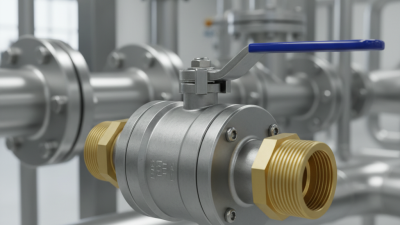
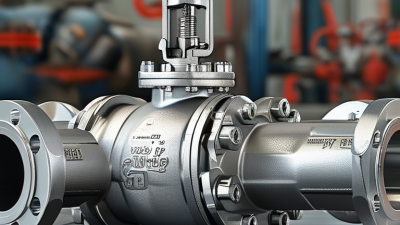
Metal-seated ball valves use a metal ball and metal seats to control fluid flow. The ball contains a central opening, called the bore. When the handle turns the ball 90 degrees, the bore aligns with the pipeline, allowing flow. A further quarter-turn places the solid side across the passage and stops flow.

Unlike soft-seated valves, these valves tolerate higher temperatures, abrasive particles, and certain corrosive services. The metal surfaces maintain contact under demanding conditions, but they require precise machining and correct installation. In field inspections, operators often check for leakage, torque changes, and seat wear after repeated cycling. A rough slurry can gradually damage sealing surfaces. That risk is easy to underestimate.

Tips: Confirm the pressure class, temperature range, bore size, and valve material before ordering. Ask for seat leakage testing and documented inspection records. Check whether the design needs a fire-safe or anti-static feature. Do not choose a valve only because its body looks strong. Fluid composition, particle size, cycling frequency, and installation direction also matter. In some applications, a metal seat may leak slightly more than a soft seat. That trade-off should be reviewed honestly. An oversized actuator can also create unnecessary stress, while an undersized one may fail to close the valve.

10 Best Metal-Seated Ball Valves for Global Buyers: What Are Metal-Seated Ball Valves and How Do They Work?

Metal-seated ball valves use hardened metal sealing surfaces instead of soft polymer seats. This design is commonly selected for high-temperature, abrasive, erosive, or high-cycle services. The chart shows the nominal pressure-class reference values at 38°C (100°F) associated with ASME pressure classes. Actual valve pressure ratings depend on the valve body material, temperature, trim design, applicable standard, and manufacturer certification.

Reference basis: ASME B16.5/B16.34 pressure-class conventions; values are shown in bar and rounded for presentation.

Key Selection Criteria for Global Industrial Valve Buyers

10 Best Metal Seated Ball Valves for Global Buyers?

Key Selection Criteria for Global Industrial Valve Buyers

Selecting a metal seated ball valve begins with the process, not the catalogue. Identify the medium, pressure, temperature, flow direction, and cycling frequency. Abrasive powders, hot gases, and high-temperature fluids can quickly expose weak materials. Metal seats suit demanding service, but they may require tighter installation control. Small errors matter.

Material traceability deserves serious attention. Ask for heat numbers, inspection records, pressure-test results, and dimensional reports. Confirm the body, ball, stem, and seat materials match the operating environment. Stainless alloys can resist corrosion, while hardened surfaces may handle erosion better. However, “stainless” alone is not a complete specification.

Check the valve’s pressure class and temperature range under real conditions. Include startup surges, thermal expansion, and possible pressure fluctuations. Review leakage limits and fire-safe documentation where the application requires them. Actuator torque should include friction, deposits, and an appropriate safety margin. Too little torque causes failure. Too much can damage components.

Global purchasing also depends on documentation and serviceability. Reliable suppliers should provide drawings, manuals, certificates, spare-part lists, and clear test procedures. Verify thread, flange, coating, and actuator interfaces before ordering. Regional standards may differ, so technical review is essential. Delivery promises can be optimistic. Keep critical spares available, especially for remote plants. A practical buyer should also inspect packing quality, corrosion protection, and identification labels before shipment.

Comparison of the 10 Best Metal-Seated Ball Valve Models

Comparison of the 10 Best Metal-Seated Ball Valve Models

The ten models below target demanding service, including abrasive slurry, high-temperature gas, and repeated cycling. Model A offers a compact two-piece body and 600-class pressure rating. Model B uses a three-piece body, making seat inspection easier. Model C adds a graphite packing set for hotter applications. Model D provides a full-bore passage that reduces pressure loss. This matters in long process lines.

Model E uses a hardened stainless-steel ball for abrasive media. Model F has a reduced-bore design and lower purchase cost. It may consume more pumping energy.

Model G combines a fire-tested body with antistatic protection. Model H is built for frequent automated operation, with a low-torque stem.

Model I emphasizes corrosion resistance through a nickel-based alloy seat. Model J uses a double-piston effect design for improved sealing under pressure. Field results vary.

During plant audits, I would check leakage records, torque readings, and seat wear after cycling. A valve that looks excellent on paper can fail when solids settle near the seat. Model E may outperform Model C in abrasive service, but Model C could handle heat more confidently. Model F is practical for clean fluids, not every process. My ranking remains provisional because media chemistry, installation quality, and maintenance habits change the outcome. Verify temperature limits, pressure class, actuator sizing, and applicable testing certificates before purchase.

Applications, Materials, Ratings, and Performance Differences

10 Best Metal Seated Ball Valves for Global Buyers?

Metal seated ball valves suit severe service where soft seats may deform, burn, or wear quickly. Common applications include high-temperature steam, abrasive slurry, mineral processing, and hydrocarbon isolation. A stainless-steel body resists corrosion, while carbon steel often offers better value in dry or controlled environments. Duplex and nickel-based alloys perform better in chloride-rich or highly corrosive fluids.

Material choice changes more than service life. It affects thermal expansion, torque, weight, and maintenance intervals. Hard-faced balls and seats can reduce erosion from particles. However, surface hardness alone does not guarantee reliable sealing. Poor alignment may cause leakage after repeated cycling. That detail is often missed.

Pressure ratings need careful reading. A Class 150 valve may suit moderate conditions, while Class 600 designs support higher pressure and heavier construction. Ratings usually decline as temperature rises. Always check the pressure-temperature chart. Metal seated valves may tolerate higher temperatures, but packing, gaskets, and actuator components can become the weak points.

Performance differences appear during operation. Some valves provide tight shutoff but require greater operating torque. Others cycle faster but wear sooner in abrasive media. Reduced-port designs lower cost and weight, yet they can restrict flow. Full-port valves support pigging and reduce pressure loss. Fire-safe construction, low-emission packing, anti-static features, and suitable actuation improve practical reliability. No list is perfect. A valve that excels in a laboratory may disappoint when solids, vibration, and inconsistent maintenance appear together.

How to Evaluate Suppliers, Certifications, Pricing, and After-Sales Support

For global buyers, choosing among the 10 best metal seated ball valves starts with supplier evidence, not catalogue photos. Ask for manufacturing experience with your media, temperature, pressure, and cycle requirements. A reliable supplier should provide material certificates, dimensional drawings, pressure-test records, and traceability from casting to final assembly. Factory audits can reveal practical details, such as clean storage areas and calibrated testing equipment.

Certifications must match the service. ISO 9001 supports quality management, but it does not prove valve performance. Request relevant pressure, fire-safe, fugitive-emission, or sour-service documentation when applicable. Check certificate scope, issuing body, revision date, and product model. I have seen impressive certificates that covered a factory process, not the valve ordered. That detail matters. It is easy to miss.

Pricing should include machining, inspection, coating, packaging, freight, spare parts, and expected delivery time. Compare identical specifications, not only unit prices. A cheaper valve may use a less suitable seat material or provide weaker documentation. After-sales support deserves equal attention. Confirm response times, warranty terms, troubleshooting access, and replacement-part availability in your region. Ask for a sample inspection report before placing a large order. Keep communication in writing. Some suppliers promise fast support, then respond slowly after payment. That risk is difficult to price, but ignoring it is worse.

10 Best Metal Seated Ball Valves for Global Buyers: Supplier, Certification, Pricing, and After-Sales Evaluation

Global procurement benchmark for metal-seated ball valve configurations. Prices are indicative USD ranges for standard industrial quantities of 1–5 units, excluding freight, duties, actuators, special testing, and taxes. Final selection should be based on verified drawings, test records, material certificates, and application conditions.

Rank Best-Fit Valve Configuration Typical Size Range Pressure Rating Recommended Body and Trim Typical Temperature Capability Primary Applications Certification and Test Evidence to Request Indicative Unit Price Typical Lead Time Supplier Evaluation and After-Sales Priorities
1 Full-port, two-piece or three-piece floating ball valve with carbide-coated metal seats DN15–DN100
½–4 in
ASME Class 150–600
PN16–PN100
Carbon steel or stainless steel body; 316 stainless steel ball; tungsten-carbide or chromium-carbide seat coating Approximately −29°C to +200°C, depending on seat design and coating system General abrasive slurry, dry gas, mineral processing, low-to-medium cycle isolation ISO 17292 ASME B16.34 API 607
Request shell, seat, fugitive-emission, and functional test reports
US$180–900 4–8 weeks Confirm coating thickness, ball-to-seat lapping procedure, spare-seat availability, and documented leakage acceptance criteria.
2 Trunnion-mounted, full-bore valve with replaceable metal seats DN100–DN600
4–24 in
ASME Class 300–1500
PN40–PN250
Forged or cast carbon steel body; stainless steel or nickel-alloy trim; hard-faced seat surfaces Approximately −46°C to +200°C; higher temperatures require engineered seat and seal selection Pipeline isolation, high-pressure gas, oil and gas processing, large-diameter services API 6D ISO 14313 API 6FA ISO 15848
Request pressure-cycle, fire-safe, fugitive-emission, and material traceability records
US$2,000–18,000 8–16 weeks Evaluate torque calculations, cavity-relief design, emergency sealant provisions, actuator compatibility, and field-service support.
3 Cryogenic-compatible metal-seated ball valve with extended bonnet DN25–DN300
1–12 in
ASME Class 150–600
PN16–PN100
Stainless steel body and ball; low-temperature-qualified stem seals; metal seat with controlled clearance Approximately −196°C to +80°C, subject to design qualification Liquefied natural gas, liquid nitrogen, liquid oxygen, hydrogen-related systems, cryogenic storage ISO 28921-1 API 6D API 607
Request cryogenic test data, bonnet vacuum test, leakage results, and oxygen-cleanliness evidence where applicable
US$1,500–12,000 10–20 weeks Verify low-temperature impact testing, stem-extension dimensions, packing compatibility, cleaning controls, and commissioning assistance.
4 High-temperature floating ball valve with ceramic or carbide-enhanced seats DN15–DN200
½–8 in
ASME Class 150–600
PN16–PN100
Heat-resistant stainless steel or alloy-steel body; nickel-alloy or carbide-coated ball and seats Approximately +250°C to +500°C, depending on seat material and packing system Hot oil, refinery utilities, thermal fluid, high-temperature gas, furnace support systems ASME B16.34 API 607 ISO 15848
Request high-temperature cycle testing, thermal-expansion calculations, fire-safe testing, and packing specifications
US$450–3,500 6–12 weeks Check maximum continuous temperature rather than short-duration limits; confirm thermal-cycle life and maintenance kit contents.
5 Anti-abrasion metal-seated valve for severe slurry and solids service DN50–DN500
2–20 in
ASME Class 150–600
PN16–PN100
Heavy-duty carbon steel or stainless steel body; tungsten-carbide, chromium-carbide, or ceramic-coated trim Approximately −20°C to +180°C, application-dependent Mining slurry, cement, fly ash, catalyst, sand-bearing water, mineral concentrates ISO 17292 ASME B16.34 API 598
Request abrasive-service test data, coating adhesion results, seat-wear measurements, and solids concentration limits
US$700–8,000 8–18 weeks Prioritize proven wear data, replaceable trim, drain and purge design, orientation guidance, and local repair capability.
6 Corrosion-resistant metal-seated ball valve for sour and chloride-rich service DN25–DN300
1–12 in
ASME Class 150–900
PN16–PN150
316 stainless steel, duplex stainless steel, or nickel-alloy wetted parts; qualified hard-facing system Approximately −29°C to +180°C Sour gas, produced water, seawater systems, chemical processing, chloride-containing fluids NACE MR0175 ISO 15156 API 6FA
Request PMI records, heat-treatment records, hardness results, corrosion allowance, and coating qualification
US$900–9,500 8–16 weeks Verify material compliance against the actual partial-pressure, temperature, chloride, and pH conditions; avoid generic “sour service” claims.
7 Top-entry, repairable metal-seated ball valve for critical isolation DN50–DN600
2–24 in
ASME Class 300–1500
PN40–PN250
Forged carbon steel or stainless steel body; replaceable ball and seat assemblies; hard-faced trim Approximately −29°C to +200°C Critical process lines, offshore modules, power generation, facilities where line removal is difficult API 6D ISO 14313 API 607
Request maintenance manual, disassembly drawings, seat-replacement procedure, and pressure-test records
US$3,000–25,000 10–22 weeks Assess maintainability without removing the valve from the line, spare-part interchangeability, technician training, and regional service coverage.
8 Three-piece compact metal-seated ball valve for skid and packaged equipment DN15–DN80
½–3 in
ASME Class 150–600
PN16–PN100
Investment-cast or forged stainless steel body; coated stainless or nickel-alloy ball and seats Approximately −29°C to +200°C Metering skids, sampling systems, chemical dosing, compact process packages, utility isolation ISO 17292 ASME B16.34 API 598
Request dimensional drawings, pressure-temperature ratings, seat-leakage data, and actuator mounting details
US$120–750 3–7 weeks Compare total installed cost, not only valve price; confirm end connections, mounting pattern, spare kits, and small-batch quality consistency.
9 Jacketed or heated metal-seated ball valve for viscous and solidifying media DN25–DN300
1–12 in
ASME Class 150–600
PN16–PN100
Carbon steel or stainless steel body with steam or thermal-oil jacket; alloy or hard-faced internal trim Approximately −20°C to +300°C, based on jacket and seal design Bitumen, sulfur, polymers, resins, heavy oils, wax-forming and crystallizing fluids ASME B16.34 API 598 API 607
Request jacket pressure test, heat-transfer design, thermal-cycle test, drain arrangement, and insulation requirements
US$1,000–10,000 8–18 weeks Confirm jacket connections, heating-up procedure, thermal expansion allowance, seat clearance, and troubleshooting instructions.
10 Automated metal-seated ball valve package with pneumatic or electric actuator DN25–DN500
1–20 in
ASME Class 150–900
PN16–PN150
Application-matched valve body and trim; actuator sized for breakaway, running, and emergency torque Approximately −29°C to +200°C; actuator temperature limits must be checked separately Remote isolation, process plants, pipeline stations, hazardous-area automation, emergency shutdown duties API 6D API 607 IEC 61508 ISO 15848
Request actuator sizing sheet, fail-position test, IP or explosion-protection certificate, SIL documentation where required, and integrated FAT results
US$1,200–20,000 8–20 weeks Evaluate valve-actuator integration, spare actuator parts, control-system compatibility, commissioning support, response time, and warranty terms.
Buyer checklist: Require a certified drawing, pressure-temperature chart, material certificates, positive-material-identification records where applicable, shell and seat test reports, fire-safe evidence for hydrocarbon service, fugitive-emission data for hazardous fluids, coating or hard-facing details, warranty terms, spare-parts list, and a clearly defined after-sales response time. Certification names indicate standards or evidence commonly requested; they do not confirm that every supplier or valve configuration is certified.