Leave Your Message

Why Choose a Double Seated Ball Valve for Your Piping Needs?

In industrial piping systems, valve selection plays a crucial role. One type that stands out is the Double Seated Ball Valve. This valve offers unique advantages in various applications. Its design allows for two seats instead of one, enhancing sealing capabilities.

Engineers and operators often appreciate the reliability of a Double Seated Ball Valve. It minimizes the risk of leaks, especially under high pressure. This ensures safety and efficiency in process control. Performance remains stable across a wide range of conditions. Users find it suitable for both liquid and gas applications.

Despite its benefits, the Double Seated Ball Valve is not perfect. Installation can be complex. Maintenance occasionally requires specialized knowledge. Evaluating the entire system is essential when choosing this valve. Consideration of specific needs will lead to better outcomes. Proper assessment helps to avoid potential pitfalls. Overall, a Double Seated Ball Valve can be a worthwhile investment for your piping needs.
Why Choose a Double Seated Ball Valve for Your Piping Needs?

Understanding the Basics of Double Seated Ball Valves

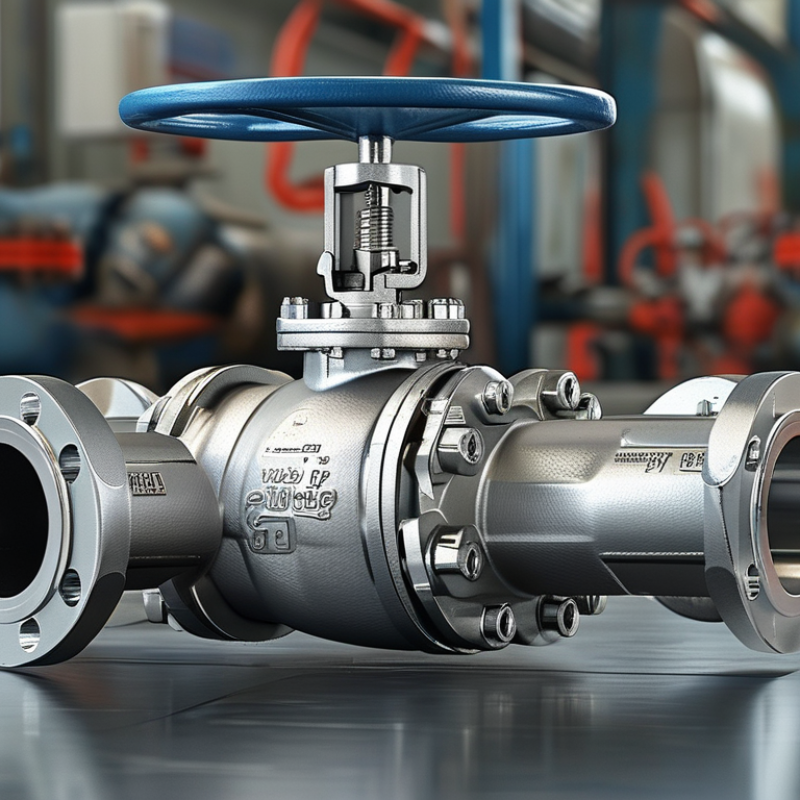
Double seated ball valves offer a unique design that enhances efficiency in various piping applications. Unlike their single-seated counterparts, these valves feature two seats, which allows for better sealing and reduced leakage. This characteristic makes them especially valuable in high-pressure systems, where safety and reliability are paramount. The dual seating arrangement also minimizes the risk of valve failure, which is crucial in industrial and commercial settings.

These valves are designed to provide better flow control. By utilizing their geometry, double seated ball valves can maintain a steady flow with minimal turbulence. This is particularly important in processes where fluid dynamics play a significant role. However, the complexity of their design can lead to challenges during maintenance. Regular checks are necessary to ensure optimal performance and to avoid potential issues that arise from wear and tear.

When considering a double seated ball valve, one must weigh the benefits against potential drawbacks. While they excel in certain areas, not all systems require such advanced features. Sometimes, simplicity is key. A thorough assessment of your specific piping needs will help determine the most suitable valve type. Therefore, choose wisely, reflecting on both the advantages and limitations of these valves in your application.
Advantages of Using Double Seated Ball Valves in Piping Systems

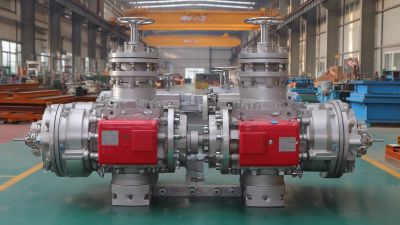
Double seated ball valves are gaining popularity in various piping systems due to their unique design and functionality. These valves have two seats, which help distribute the flow evenly. This feature leads to better sealing performance and enhanced control over flow rates. Users often appreciate the reduced maintenance needs. The compact design also saves space in tight installations.

Another advantage lies in their versatility. You can use them in different industries, including water treatment and pharmaceuticals. Their ability to handle high-pressure conditions makes them reliable. However, not every installation may benefit from their use. In some cases, their complexity can lead to challenges during installation or maintenance. Users must evaluate their specific needs carefully and weigh the pros and cons. It's essential to consider the system's demands before choosing this valve type. A thoughtful approach can prevent costly mistakes down the line.

Why Choose a Double Seated Ball Valve for Your Piping Needs?

Feature Double Seated Ball Valve Traditional Ball Valve
Leakage Control Better sealing, reduced leakage risk Higher potential for leakage
Flow Characteristics Symmetrical flow design, improved flow rates Less efficient flow control
Pressure Handling Capable of handling high-pressure applications Limited high-pressure performance
Maintenance Requires less frequent maintenance More frequent maintenance needed
Installation Easier to install in compact spaces Bulkier, may require more space
Cost Efficiency Higher initial cost but lower lifetime costs Lower initial cost but higher long-term maintenance

Applications and Industries Benefiting from Double Seated Ball Valves

Double seated ball valves are crucial in various industries due to their reliability and efficiency. They excel in applications such as water treatment, oil and gas, and food processing. A recent report from the Global Valve Market anticipates a growth rate of 5.4% annually, indicating the increasing demand for such valves. Industries require solutions that prevent leakage and offer tight sealing. Thus, double seated ball valves become a preferred choice.

These valves have a unique design. They feature two seating surfaces that enhance sealing performance. This design is particularly beneficial in high-pressure applications. For instance, the oil and gas sector often deals with extreme conditions. Double seated ball valves ensure safety and operational efficiency in these environments. In food processing, maintaining sanitary standards is vital. These valves facilitate a clean and secure flow of materials.

Tip: Regular maintenance is essential for double seated ball valves. Monitor for any signs of wear or leaks. Performing routine checks can prevent costly downtimes. Consider training staff to recognize issues early. A proactive approach can save time and money in the long run.

Comparison of Double Seated and Single Seated Ball Valves

Double seated ball valves and single seated ball valves serve different purposes in piping systems. Double seated valves have two seating surfaces, allowing for reduced operating pressures and improved sealing capabilities. This design often leads to better flow control, making them suitable for high-pressure applications.

When considering valve selection, the reliability of the sealing mechanism is crucial. Double seated valves can handle higher differential pressures when compared to their single seated counterparts. However, they are generally more complex and may require more maintenance. It's essential to weigh these factors against your specific piping needs.

**Tips:** Choose double seated valves for applications where pressure variations are common. Evaluate the operational environment carefully to ensure the valve meets pressure and temperature requirements. Regular maintenance can help address potential leaks that may arise over time.

Comparison of Double Seated and Single Seated Ball Valves

This chart compares key performance metrics between double seated and single seated ball valves. It provides insights into flow rate, pressure drop, cost, and maintenance frequency, helping you to make an informed decision based on your piping needs.

Key Considerations When Selecting a Double Seated Ball Valve

When choosing a double seated ball valve, several key considerations come into play. The design of these valves allows for tight shut-off and reduced leakage, making them ideal for various industrial applications. According to a recent industry report, double seated ball valves can provide up to a 90% reduction in flow turbulence, enhancing overall system efficiency. This can lead to significant cost savings over time.

Material selection is critical as well. Ensure the valve materials resist corrosion and can handle the temperature and pressure of your specific application. Reports indicate that stainless steel and carbon steel are among the most reliable materials for these valves, ensuring longevity and performance.

**Tips**: Always conduct a thorough risk assessment. Evaluate the compatibility of the valve with your pipeline materials. Also, consider the ease of maintenance. Valves that are too complex may incur higher future costs.

Moreover, installation practices should not be overlooked. Proper alignment and support are crucial for minimizing stress on the valve components. Frequent maintenance checks can identify issues early, preventing costly failures. Double seated ball valves can be great assets, but flaws in setup can lead to inefficiencies. Prioritizing quality over shortcuts is essential for optimal operation.