- Home
- Products
- About Us
- Application Cases
- CLIENT & FACTORY
- Test
- News
- Contact Us
Leave Your Message
Choosing among China’s top forged steel ball valve manufacturers takes more than comparing prices or polished product photos. A Forged Steel Ball Valve may look robust on a catalog page, yet its real value depends on material traceability, pressure testing, machining quality, and reliable documentation. Small details matter. Ask how each supplier verifies body materials, controls production, and tests every finished valve.
This guide compares ten Chinese manufacturers through practical purchasing criteria, including product range, manufacturing capabilities, quality certifications, export experience, and customer support. It also considers details buyers can verify: test reports, material certificates, dimensional records, and clear answers about operating conditions. API and ISO standards provide useful reference points, but a certificate alone cannot prove that every order meets your requirements. Check the scope and supporting records.
A named expert quotation would strengthen this introduction, but no article, interview, or verified quotation was supplied. Assigning a statement to an industry expert without evidence would weaken the credibility this guide aims to provide. That is a real limitation, and it deserves attention. Instead, the comparison focuses on verifiable indicators and encourages buyers to confirm critical claims directly with manufacturers. The result is not a universal ranking for every project. It is a practical starting point for assessing suppliers, asking sharper questions, and choosing a valve suited to the service conditions.
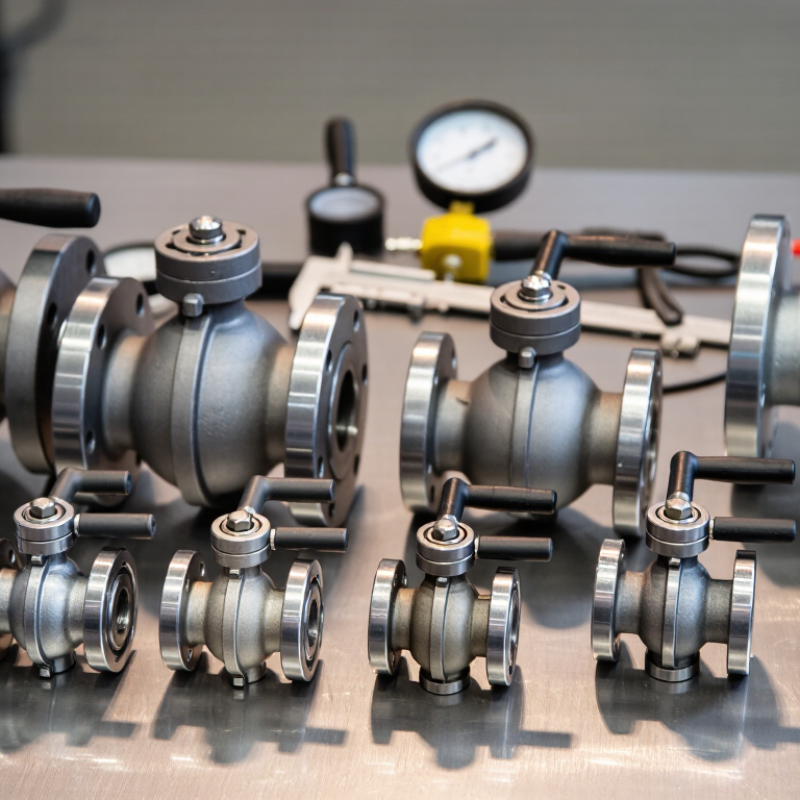
API 6D and ASME B16.34 address different parts of a forged steel ball valve’s specification. API 6D covers pipeline valves, including design, manufacture, inspection, pressure testing, and documentation. ASME B16.34 establishes pressure-temperature ratings, material requirements, dimensions, examination, testing, and marking. Forged steel describes how the body material is formed; it does not, by itself, confirm that a valve meets either standard.
The distinction matters during selection. A valve’s pressure rating must suit both the operating pressure and temperature, not pressure alone. Check the specified material grade, end connections, bore, and test requirements against the project documents. A nameplate may show standard references, but supporting records should identify the applicable editions and test results. Details matter. A certificate alone is not the whole story. Manufacturing tolerances, inspection records, and the exact valve configuration deserve review, especially when service conditions are demanding. Requirements can vary by edition and purchase specification, so buyers should verify the stated compliance scope rather than assume every forged ball valve is covered in the same way.
Standards-based comparison checklist for evaluating forged steel ball valves. The entries below describe technical criteria, not a ranking of manufacturers.
| No. | Evaluation dimension | Relevant standard context | What to verify |
|---|---|---|---|
| 1 | Valve scope and service | API 6D covers pipeline and piping valves, including ball valves; ASME B16.34 covers valve design requirements within its scope. | Confirm the valve type, intended service, operating conditions, and the standard editions specified for the project. |
| 2 | Forged construction | “Forged” describes a manufacturing route for pressure-containing parts; it does not by itself establish compliance with API 6D or ASME B16.34. | Review drawings, manufacturing records, and material certificates to identify which components are forged and how they were produced. |
| 3 | Pressure-containing materials | ASME B16.34 addresses materials and pressure-temperature ratings for valves. Common forged material specifications include ASTM A105 for carbon steel and ASTM A182 grades for alloy or stainless steel, where applicable. | Check the specified material grade, product form, heat treatment, traceability, and compatibility with the fluid and design temperature. |
| 4 | Pressure class and temperature | ASME B16.34 provides pressure-temperature rating requirements based on factors including material group and temperature; class alone does not represent one universal pressure limit. | Verify the material-specific rating at the design temperature, along with any project or code limitations. |
| 5 | End connections and dimensions | API 6D includes requirements for pipeline-valve configurations and end connections. ASME B16.34 addresses valve end types and related design requirements within its scope. | Confirm flange, threaded, or welding ends; facing and bore details; and compatibility with the mating pipeline specification. |
| 6 | Design and pressure boundary | ASME B16.34 establishes design requirements for valves in its scope, while API 6D provides requirements applicable to pipeline valves. | Review the design specification, pressure-boundary details, closure arrangement, and applicable calculations or design records. |
| 7 | Seat and sealing performance | API 6D includes requirements for valve testing and performance. The applicable acceptance criteria depend on the specified standard, valve design, and project requirements. | Identify seat materials, sealing direction, test medium, and the documented leakage acceptance criteria. |
| 8 | Inspection and pressure testing | API 6D and ASME B16.34 contain testing-related provisions within their respective scopes; the applicable requirements should be determined from the specified editions and purchase documents. | Request inspection and test records identifying the tested valve, procedures, test conditions, results, and acceptance criteria. |
| 9 | Manufacturing traceability | Compliance claims should be supported by records demonstrating conformity to the specified standard and purchase requirements. | Check heat-number traceability, material test reports, inspection records, and serial-number links to the finished valve. |
| 10 | Documentation and conformity | API 6D and ASME B16.34 are distinct standards with different scopes; citing one does not automatically demonstrate compliance with the other. | Confirm the exact standards and editions claimed, the scope of the claim, required certificates, and the final data book contents. |
Note: Always confirm the governing code, standard edition, material specification, design conditions, and purchase requirements for the specific project.