What is a Pressure Ball Valve and How Does It Work?
The Pressure Ball Valve is a critical component in fluid control systems. Widely used in various industries, it ensures efficient flow management. According to a 2022 market report by Research and Markets, the global valve market is expected to reach $77 billion by 2027. This growth emphasizes the importance of understanding advanced technologies like the Pressure Ball Valve.
These valves operate effectively under high pressure, making them ideal for demanding applications. They provide quick shut-off, ensuring minimal leakage and high reliability. However, not all pressure ball valves perform equally. Some models may face challenges under extreme conditions, highlighting the need for careful selection.
As industries evolve, the demand for efficient and durable valves increases. Understanding how a Pressure Ball Valve works can help engineers make informed decisions. Choosing the right valve type is essential for optimizing system performance and safety in any application.
What is a Pressure Ball Valve?
A pressure ball valve is a critical component in various industrial applications. It controls fluid flow and maintains pressure within systems. These valves can operate under high-pressure conditions, making them suitable for oil and gas, chemical, and water industries.
According to a recent market analysis, the global ball valve market is expected to grow significantly, reaching approximately $10 billion by 2027. This growth highlights the increasing reliance on efficient flow control mechanisms. Pressure ball valves are favored for their durability and reliable sealing performance, capable of withstanding pressures exceeding 4000 psi in some cases.
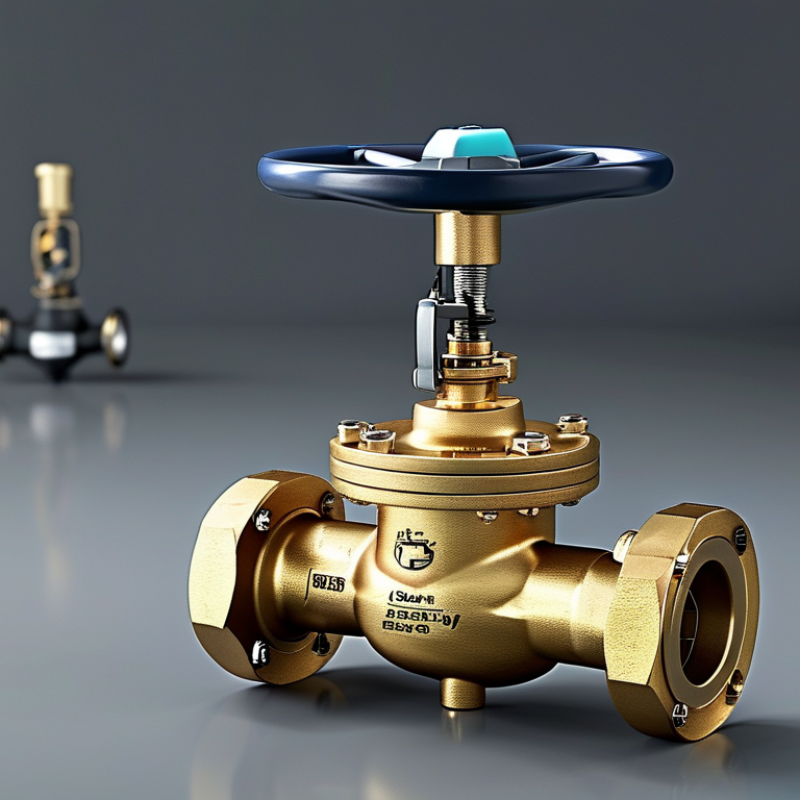
Understanding the design is crucial. Typically, they feature a spherical disc that rotates to open or close the flow path. This simple mechanism allows for quick response times, a necessity in high-pressure scenarios. However, challenges remain. Over time, seals can wear out, leading to potential leaks. Regular maintenance and inspection are essential to ensure optimal performance. Data from industry reports suggest that about 30% of valve failures occur due to inadequate maintenance practices. Proper training and adherence to guidelines can mitigate these risks.
The Basic Components of a Pressure Ball Valve
A pressure ball valve is a crucial component in many fluid systems. Understanding its basic components can help in effective maintenance and operation.
The valve body is typically made from strong materials that can withstand high pressure. This ensures that the valve remains intact during operation.
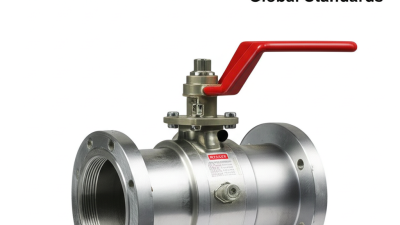
The ball inside the valve is the key player. It has a hole through the middle. When the ball is turned, the hole aligns with the flow path, allowing fluid to pass through. When turned perpendicular to the flow, it blocks the passage. This simple yet effective mechanism is widely used.
Another important component is the stem. It connects the ball to an external handle or actuator. The position of the handle indicates whether the valve is open or closed. Seals are also essential. They prevent leaks and maintain pressure.
Regular inspection of these components is necessary. Even minor wear can lead to failures. Relying on outdated parts can be detrimental. Understanding these components fosters better practices in maintenance and operations.
How a Pressure Ball Valve Operates
A pressure ball valve is a vital component in various industrial systems. It controls the flow of fluids with precision. Understanding its operation can be complex, yet essential for efficient system management.
The valve consists of a spherical disc with a hole through its center. When the valve is open, the hole aligns with the flow path, allowing fluid to pass. In a closed position, the ball rotates, blocking the flow. This simple mechanism is effective in managing high-pressure systems. According to a report by the International Society of Automation, ball valves can maintain a tight seal even under high pressure, achieving leak rates as low as 0.1% of the flow.
Operational efficiency relies on the valve's maintenance and installation. Improper installation can lead to malfunctions. Regular inspection is crucial, as wear can affect flow integrity. Data from industry standards suggest that nearly 25% of valve failures stem from inadequate maintenance practices. Operators must remain vigilant to prevent unexpected shutdowns and costly repairs. Understanding the nuances of a pressure ball valve enhances reliability in critical processes.
Applications of Pressure Ball Valves in Industry
Pressure ball valves play a crucial role in various industrial applications. These valves offer precise control over the flow of liquids and gases. They are often used in sectors like oil and gas, water treatment, and chemical manufacturing. In these environments, reliability and accuracy are vital.
In the oil and gas industry, pressure ball valves help manage the high pressures associated with drilling and refining. Their robust design withstands extreme conditions. Similarly, in water treatment plants, these valves ensure efficient flow regulation. They can handle fluctuations effectively, maintaining system integrity. However, improper installation can lead to malfunctions, highlighting the importance of proper training and procedures in valve management.
Chemical manufacturing also relies heavily on pressure ball valves. These valves prevent leaks, maintaining safety standards. When handling corrosive substances, choosing the right materials is critical. Any oversight can lead to severe consequences, such as equipment failure or safety hazards. This necessitates constant vigilance and periodic maintenance to ensure optimal performance and longevity.
Maintenance and Troubleshooting of Pressure Ball Valves
Pressure ball valves are crucial in various industrial applications. They regulate fluid flow and can withstand high pressure. Proper maintenance is essential to ensure their reliability. According to industry standards, regular inspections increase lifespan by 30%.
When troubleshooting, look for common issues. Leakage is a primary concern. It may result from debris or wear. Use ultrasonic leak detectors for precise identification. Another common problem is valve sticking. This may occur due to corrosion or lack of lubrication. Implementing routine lubrication can mitigate these issues effectively.
Technical reports show that 25% of pressure ball valve failures are due to inadequate maintenance. This highlights the significance of consistent checks. Operators should keep detailed logs of performance and repairs. These records help identify patterns and anticipate future issues. It's vital to address problems promptly, as delays can lead to costly downtime.
Pressure Ball Valve Maintenance and Performance Overview
This chart represents key metrics related to pressure ball valves, including the effectiveness of regular maintenance, overall performance efficiency, incidence of leakage, and failure rates. A well-maintained pressure ball valve should exhibit high performance efficiency and low failure rates, highlighting the importance of regular maintenance.