Best Tubing Ball Valve Options for Global Buyers?
The global demand for Tubing Ball Valves has surged, driven by their efficiency and reliability in various industries. Recent reports from the International Market Analysis indicate that the valve industry is projected to reach a valuation of $80 billion by 2026, with Tubing Ball Valves playing a crucial role. These valves are essential in controlling the flow of fluids in pipelines, particularly in oil and gas sectors.
Despite their advantages, selecting the right Tubing Ball Valve can be challenging. The variety of materials, sizes, and pressure ratings complicates the decision-making process for global buyers. A study by the Valve Manufacturers Association reveals that 30% of end-users experience issues due to improper valve selection. Understanding key specifications is vital for achieving optimal performance.
Furthermore, as industries evolve, buyers must consider the emerging technologies and innovations in valve design. Continuous research is needed to stay updated. Manufacturers increasingly focus on sustainability, yet many face challenges with production costs and material availability. This creates a complex landscape for those seeking the best Tubing Ball Valve options. It’s essential to balance quality with cost-efficiency while navigating these dynamic industry trends.
Types of Tubing Ball Valves Available for Global Markets
Tubing ball valves play a crucial role in various sectors. These valves control flow in oil, gas, and water systems. They offer tight sealing capabilities. As global demand increases, understanding the types available is imperative.
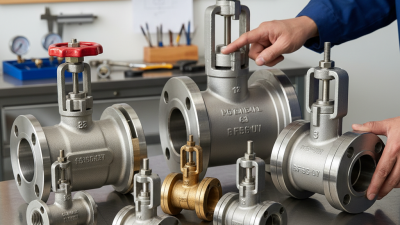
There are several types of tubing ball valves designed for different applications.
Floating ball valves are popular due to their reliability under varying pressures. They function well in both low and high-pressure systems.
Trunnion mounted ball valves provide stability. They are ideal for large pipelines. A report from the Global Valve Market indicates that floating ball valves account for over 45% of the market share.
Additionally, multi-port ball valves are gaining traction. They allow for efficient flow diversion. Yet, they may not always provide the same sealing performance as traditional options. Some experts suggest that improper installation can lead to leaks. When selecting tubing ball valves, buyers must consider both the technical specifications and installation practices. Quality assurance remains a key factor in improving valve longevity in the field.
Key Features to Consider When Selecting Tubing Ball Valves
When choosing tubing ball valves, several key features should be prioritized. First, consider the valve's material composition.
Stainless steel is highly favored due to its corrosion resistance and durability in demanding environments. According to industry reports, stainless steel valves can last up to 20 years if maintained correctly, which is significant for reducing replacement costs.
Another essential aspect is the valve's pressure rating. High-performance applications often require valves that can handle pressures exceeding 5000 PSI.
Selecting a valve with a suitable pressure rating ensures safe operation, particularly in oil and gas sectors, where failure can have disastrous consequences.
Furthermore, attention must be paid to the valve's sealing mechanism. Graphite and PTFE seals offer robust performance against leaks, ensuring reliability in critical systems.
Lastly, consider the valves' installation and maintenance ease. Some designs allow for quick disassembly, which can reduce downtime during repairs.
However, complex designs might seem attractive due to advanced features, yet they may require specialized training for maintenance staff. It's crucial to balance functionality and user-friendly design based on operational needs.
Top Brands Offering Quality Tubing Ball Valves Worldwide
When considering tubing ball valves, various top brands in the industry stand out. According to recent market analysis, the global demand for ball valves is projected to grow at a CAGR of 5% from 2023 to 2030. This growth emphasizes the importance of quality and reliability in valve selection. Many reputed manufacturers focus on durability and performance, catering to diverse industrial applications such as oil and gas, water treatment, and HVAC systems.
Notably, reports indicate that over 30% of valve failures are attributed to poor quality materials and design flaws. This statistic highlights the critical need for buyers to choose reputable brands that emphasize robust construction. Some companies prioritize rigorous testing and quality assurance standards. Yet, even established brands can face challenges in consistency. Buyers should seek products that come with reliable certifications and proven industry track records.
Decision-makers should also contemplate regional preferences for valve specifications. Different markets may exhibit unique requirements based on local regulations and environmental conditions. It’s essential to thoroughly assess not just the product features but also the supplier's reputation and after-sales support. The nuances in valve technology can be daunting, making it vital to remain informed and vigilant while selecting the right option for specific needs.
Best Tubing Ball Valve Options for Global Buyers
| Type |
Material |
Size (inches) |
Pressure Rating (PSI) |
Temperature Rating (°F) |
Connection Type |
| Ball Valve |
Brass |
1 |
600 |
350 |
Threaded |
| Trunnion Ball Valve |
Carbon Steel |
2 |
1500 |
400 |
Welded |
| Floating Ball Valve |
Stainless Steel |
3 |
3000 |
500 |
Flanged |
| Ball Valve |
PVC |
1.5 |
150 |
140 |
Socket Weld |
| High Pressure Ball Valve |
Duplex Steel |
2.5 |
2500 |
600 |
Threaded |
Comparative Analysis of Pricing for Tubing Ball Valves
When exploring the best tubing ball valve options globally, pricing becomes a crucial factor. Tubing ball valves vary significantly in cost based on materials, manufacturing processes, and regional market influences. Buyers must assess their requirements carefully to find the best fit. In many cases, premium materials result in higher prices but enhance durability and performance. However, not all expensive options are ideal.
Market trends reveal that lower-priced tubing ball valves may lack essential features. These can lead to reliability issues over time. Customers often find themselves torn between paying more initially or opting for budget-friendly alternatives. The decision requires a deep understanding of long-term operational costs versus upfront investments.
Comparative analysis reveals that regional differences impact pricing strategies as well. In some areas, local production may reduce costs significantly. Conversely, importing valves can increase overall expenses. It’s essential to weigh these factors. Local suppliers may offer more reliable support and faster service. This connection often outweighs the initial savings from purchasing cheaper alternatives. Reflecting on these elements is vital for making informed purchasing decisions.
Maintenance Tips and Best Practices for Tubing Ball Valves
When it comes to maintaining tubing ball valves, proper care is essential for optimal performance. Regular inspections can help identify issues before they escalate. Check for leaks, corrosion, and wear in the valve seats. Ensure that all connections are secure. A simple visual examination can go a long way in maintaining reliability.
Routine lubrication is crucial. Use the right lubricant for your specific valve type. This reduces friction and extends the life of the valve. Remember to clean any debris that may accumulate, as this can hinder operation. A clean valve functions better.
Keep in mind that temperature fluctuations can affect valve performance. Ensure that the valve is suitable for the temperature range in your application. It’s also beneficial to train staff on proper handling techniques. Addressing potential mishaps can prevent costly repairs down the line. Maintenance might seem straightforward, yet many overlook these steps. A simple checklist can help; however, it's easy for busy teams to dismiss it. Make it a point to review procedures regularly.