- Home
- Products
- About Us
- Application Cases
- CLIENT & FACTORY
- Test
- News
- Contact Us
Leave Your Message
Global buyers are rethinking pipeline valve choices as energy infrastructure expands and operating conditions grow more demanding. Grand View Research estimated the global industrial valves market at USD 78.4 billion in 2023, projecting a 4.3% compound annual growth rate from 2024 to 2030. This broad market estimate is not a forecast for trunnion-mounted designs alone. Still, it signals a competitive market where specification details matter.
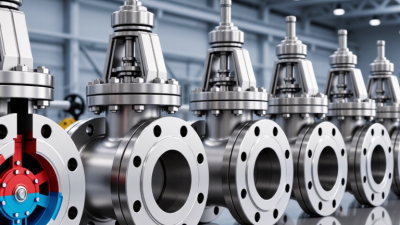
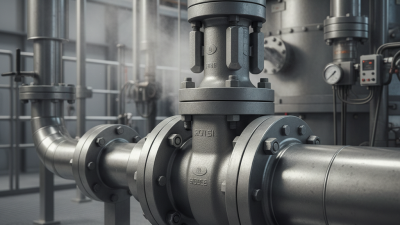
Trunnion Ball Valves are commonly selected for larger pipelines and higher-pressure service, where a fixed ball and mechanically supported seats can help manage operating loads. Yet the design name alone cannot guarantee reliable performance. Buyers should compare pressure and temperature ratings, seat materials, fire-safe design, fugitive-emissions performance, torque requirements, and documented testing. API 6D provides a relevant pipeline-valve standard, while ISO 15848-1 addresses fugitive emissions testing. Verify the edition and scope against the project specification.
Details matter.
A scraped seat, an awkward actuator interface, or a missing test record can create costly surprises. This guide compares manufacturers and models through practical procurement questions: application fit, traceable quality records, service support, and total ownership costs. One limitation deserves candor: without a verifiable source, attributing a quotation to a named trunnion-valve expert would risk inventing authority. No quotation is fabricated here. Treat published market figures as estimates, and confirm technical claims against current datasheets, certificates, and project requirements before purchase.
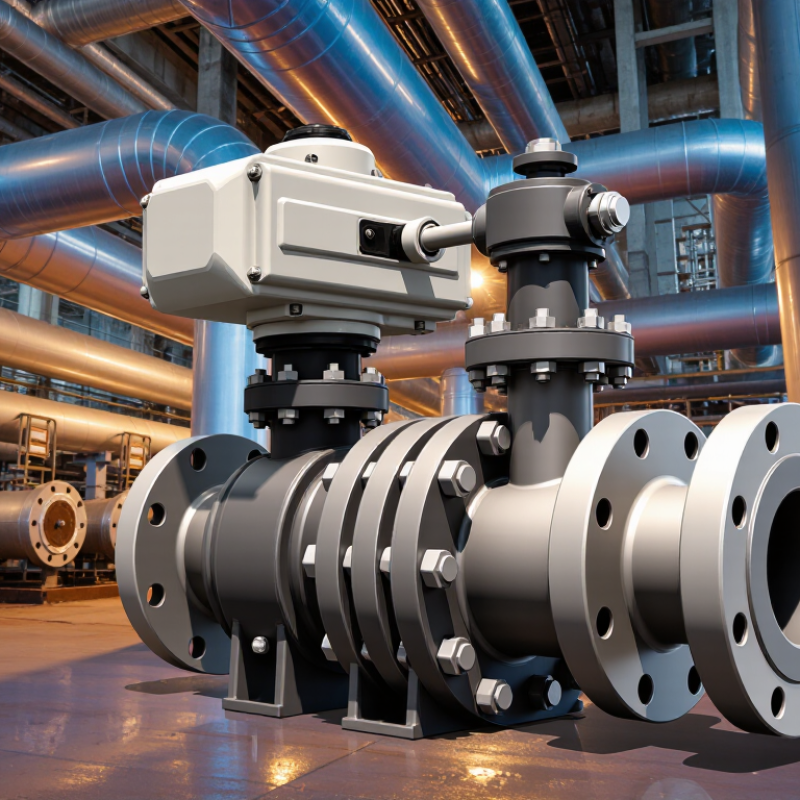
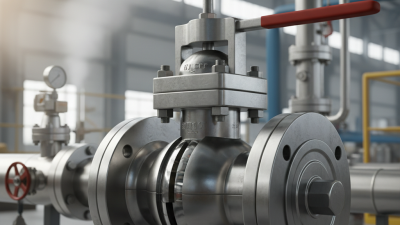
Trunnion ball valves hold the ball in place with upper and lower supports. The stem rotates the ball by 90 degrees to open or close the flow path. Unlike a floating-ball design, the ball does not rely mainly on line pressure to press against the downstream seat. Instead, spring-loaded or pressure-energized seats move toward the supported ball. This structure can reduce operating torque in larger valves and demanding service. A quarter turn is quick. But fast operation still requires controlled handling.
Seat design, seal materials, and cavity pressure relief affect how a valve performs in service. Check the pressure, temperature, fluid, and expected cycling before selecting one. During inspection, look for leakage, stiff operation, and signs of seat wear. A valve may feel smooth during a brief test yet behave differently after months of cycling. That is easy to overlook. The right choice depends on actual operating conditions, not size alone.
Tips: Verify the flow direction and pressure rating against the project data. Ask how the valve manages pressure trapped in its body cavity. Check whether maintenance access and replacement parts are practical at the installation site. Keep operating records; small changes in torque can be useful clues.
A practical, brand-neutral guide to trunnion ball valve designs, operating principles, and purchasing considerations. Suitability depends on the specified service conditions and the complete valve configuration.
| Selection dimension | Typical characteristic | What global buyers should check |
|---|---|---|
| Ball support | The ball is supported by upper and lower trunnions, while the seats move toward the ball under pressure. | Confirm the design is suitable for the specified line pressure, differential pressure, operating frequency, and valve size. |
| Operating movement | A quarter-turn rotates the ball approximately 90 degrees between open and closed positions. | Check the required operating time, actuator interface, available power supply, and manual override requirements. |
| Torque and actuation | Trunnion support can reduce pressure-related seat loading compared with a floating-ball arrangement in many larger or higher-pressure applications; actual torque depends on design and service. | Request the valve’s operating torque data across the specified pressure and temperature range. Include a documented actuator sizing margin. |
| Pressure class | Common pressure-class designations include ASME Class 150, 300, 600, 900, 1500, and 2500. These classes are not interchangeable with a single pressure rating in bar or psi. | Specify the governing piping code, pressure class, design temperature, and required pressure-temperature rating for the selected materials. |
| Nominal size | Trunnion-mounted designs are frequently selected for medium and large pipeline sizes, but size availability varies by design and pressure class. | State the nominal size and the applicable sizing system, such as DN or NPS. Verify face-to-face dimensions and end connections. |
| Body and trim materials | Carbon steel, stainless steel, and other alloy options are available for different pressure, temperature, corrosion, and low-temperature requirements. | Specify the body, ball, stem, and trim materials against the process fluid, corrosion risks, design temperature, and applicable material requirements. |
| Seat materials | Soft seats are commonly made from engineered polymers; metal-seated designs may be selected for particular temperature, abrasion, or fire-service conditions. | Check chemical compatibility, temperature limits, leakage criteria, solids content, and whether the specified seat design has been qualified for the service. |
| Flow passage | Full-bore designs provide a passage close to the connected pipeline’s inside diameter; reduced-bore designs have a smaller flow opening. | Choose based on pressure drop, pigging requirements, available space, and the project’s flow and cleaning requirements. |
| Isolation features | Some designs offer double block and bleed functionality, subject to seat arrangement, pressure direction, and the specified test procedure. | Confirm the required isolation philosophy, bleed connection details, seat directionality, and acceptance criteria; do not assume every valve provides the same function. |
| Fire-safe performance | Fire-safe designs are available when the valve configuration has been designed and tested to a specified fire-test standard. | Request documentation for the exact model, materials, size range, and configuration. A general fire-safe claim alone does not establish compliance. |
| Design and testing standards | Pipeline valve specifications may reference standards such as API 6D or ISO 14313. Testing requirements may reference API 598 or ISO 5208, as applicable to the project. | List the required standard and edition in the purchase specification, and confirm the scope of design, inspection, pressure testing, and documentation. |
| End connections | Common options include flanged, butt-weld, and other project-specified connection types. | Check facing, pressure class, end preparation, dimensional standards, and compatibility with the pipeline and installation location. |
| Traceability and documentation | Project documentation can include material certificates, inspection records, pressure-test reports, and operating or maintenance instructions. | Define documentation language, certificate type, inspection hold points, marking, and required records before placing an order. |
Buyer note: “Best” depends on the application. Confirm the complete design basis—including fluid, pressure, temperature, leakage class, operating method, applicable standards, and local project requirements—before selecting a valve.