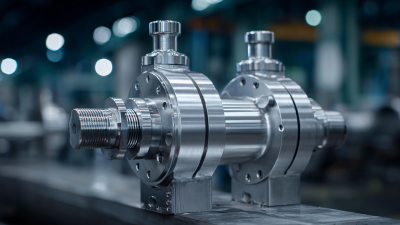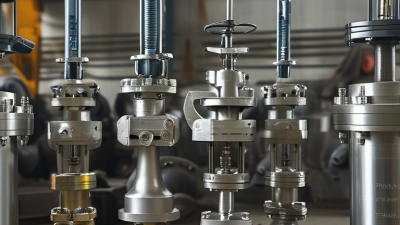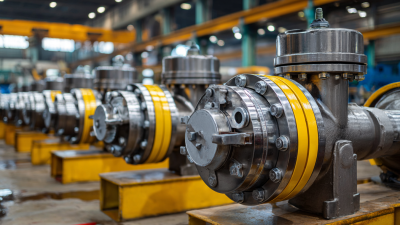
A Trunnion Mounted Valve is designed to control flow in demanding pipeline service, where pressure, size, and operating conditions can place significant demands on equipment. Its fixed ball and supported shaft help manage operating forces, while features such as fire-safe construction, antistatic design, and double-block-and-bleed capability may suit specific applications. Not every project needs every feature. Selection depends on the fluid, pressure class, temperature range, connection type, and maintenance requirements.
This guide introduces ten manufacturers active in the trunnion-mounted valve market in 2026. It considers practical factors such as product range, engineering capabilities, quality systems, service support, and experience across relevant industries. These points can help buyers build a shortlist, but they do not replace technical review. Product availability and specifications can vary by region, model, and order configuration. Details matter.
A manufacturer’s reputation alone is not enough. Confirm material grades, pressure-temperature ratings, applicable test documentation, and the exact scope of any certifications directly with the supplier. Where possible, compare datasheets and request references for similar operating conditions. Some information may be difficult to compare consistently, and rankings cannot capture every project’s needs. That is worth keeping in mind. The companies featured here provide a starting point for evaluation, not a universal recommendation. Before purchase, verify that the proposed valve matches the pipeline design, operating procedures, and required maintenance plan.
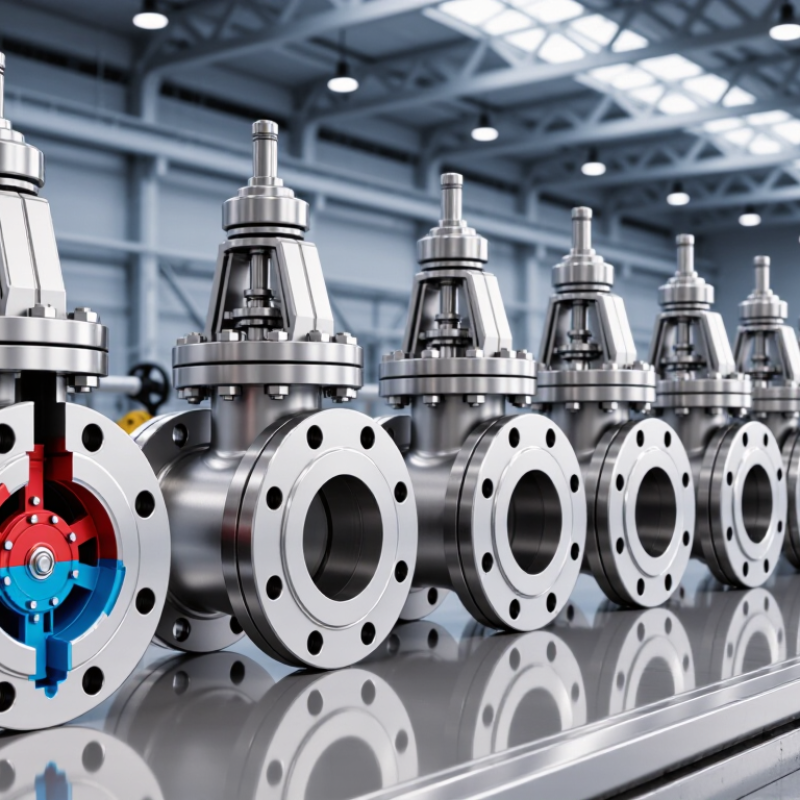
Trunnion mounted valves use a fixed lower stem to support the ball. This structure reduces operating torque, especially in large-diameter pipelines. Two seats seal against the ball from both sides. If pressure pushes the ball downstream, the trunnion absorbs much of that load.
These valves are common in oil and gas transmission, LNG facilities, refineries, chemical plants, and water infrastructure. The International Energy Agency’s Oil 2024 report projects global oil demand at 105.4 million barrels per day by 2030. That volume still requires dependable isolation points across long pipelines and processing units. The Freedonia Group also identifies energy, chemical processing, and water systems as major industrial valve demand sectors.
Field inspections often show a practical weakness: poor alignment can damage seats and increase leakage risk. Full-bore designs support pigging operations, while reduced-bore designs may lower weight and cost. The choice is not always obvious. Temperature, pressure class, fluid composition, fire-safe requirements, and emergency shutdown needs must be checked together.
Tips: Confirm the valve’s pressure-temperature rating before comparing suppliers. Ask for cycle-test records, material certificates, and seat leakage results. For sour service, verify the applicable material standard and corrosion testing. A cheaper valve may become expensive after one difficult shutdown. According to MarketsandMarkets’ industrial valve analysis, demand is being influenced by pipeline expansion, replacement projects, and stricter process reliability expectations. These trends make documented testing as important as the manufacturer’s name.
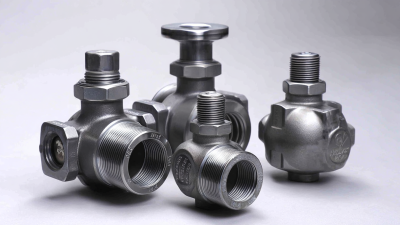
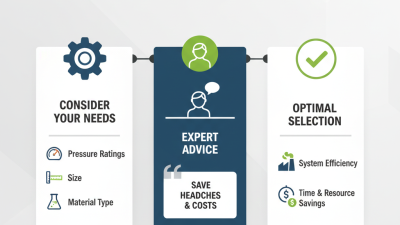
When evaluating trunnion mounted valve manufacturers, start with the actual service conditions. Record pressure, temperature, media, operating frequency, and required shutoff class. A valve for clean water may not suit abrasive slurry or sour service. Details matter.
Check whether the manufacturer can document design standards, material grades, and pressure-temperature limits for the proposed configuration. Ask for test procedures and reports covering shell strength, seat leakage, and operating torque. For critical duties, review fire-safe or emissions evidence against the project specification. A certificate alone is not enough; confirm its scope, validity, and connection to the supplied valve. Look closely at the stem, seats, seals, and body materials. These parts face different stresses during operation.
Manufacturing control matters as much as the drawing. Request material traceability, inspection records, and evidence of nondestructive examination where specified. Ask how production tests are recorded and how nonconforming parts are handled. Short answers deserve follow-up. A factory visit can reveal whether inspection equipment is calibrated and assembly areas are clean, though one visit cannot prove consistent quality. Also check lead times, spare-part availability, and technical support for commissioning. Compare these against realistic project needs, not just the quotation. Small gaps in documentation can become large delays. And no checklist replaces an application-specific engineering review.
Use these criteria to compare manufacturers. The table is an evaluation framework, not a ranked list of named companies; confirm every specification against the project requirements and the supplier’s current documentation.
| No. | Evaluation Criterion | What to Verify | Relevant Standard or Evidence | Why It Matters |
|---|---|---|---|---|
| 1 | Design-code compliance | Confirm the valve design, pressure class, materials, dimensions, and end connections match the purchase specification. | API 6D / ISO 14313; applicable ASME pressure and dimensional requirements. | Establishes a recognized basis for pipeline-valve design and interchange requirements. |
| 2 | Pressure and temperature rating | Check the pressure-temperature rating for the specified body, trim, and service conditions; review any rating limits for special materials. | Published pressure-temperature tables and design documentation; ASME B16.34 where applicable. | A nominal pressure class alone does not establish suitability at every operating temperature. |
| 3 | Pressure testing and inspection | Review shell and seat test procedures, acceptance criteria, inspection records, and traceability to the delivered valve. | API 6D and API 598, as specified for the valve and application; inspection and test records. | Confirms that testing is performed against stated procedures and project acceptance requirements. |
| 4 | Fire-safe performance | Verify that the specific valve design and configuration have passed the required fire test, including relevant sealing arrangements. | API 607 or API 6FA, where required by the project specification. | Fire-test qualification applies to defined designs and conditions; it should not be assumed from valve type alone. |
| 5 | Fugitive-emission control | Check stem-sealing design, test conditions, leakage classification, and whether the tested configuration matches the offered valve. | ISO 15848-1 or another specified fugitive-emissions qualification. | Provides a defined method for assessing emissions from valve stem and body-joint sealing systems. |
| 6 | Materials and sour-service suitability | Confirm body, ball, stem, seats, and other wetted materials are suitable for the fluid, corrosion conditions, and hardness limits. | Material certificates and, for applicable sour environments, NACE MR0175 / ISO 15156. | Material suitability depends on the actual environment and the specified material condition. |
| 7 | Seat and sealing configuration | Review seat type, soft or metal-seated construction, sealing direction, cavity-pressure relief, and requested leakage acceptance. | Approved drawings, seat design documentation, and specified API 6D or project test results. | The configuration affects isolation performance, operating limits, and suitability for the process medium. |
| 8 | Operating torque and actuation | Request torque data for the specified differential pressure, fluid, temperature, and operating frequency; verify actuator sizing and interface. | Manufacturer torque calculations, actuator sizing documentation, and applicable mounting-interface details. | Correct sizing supports reliable operation and avoids under- or over-sizing the actuator. |
| 9 | Quality system and traceability | Evaluate quality-system scope, material identification, manufacturing records, nonconformance control, and final documentation. | Current quality-system certification, material test reports, inspection plans, and valve data book. | Traceable records help demonstrate that supplied materials and manufacturing steps meet contractual requirements. |
| 10 | Lifecycle support and delivery capability | Assess documented lead times, spare-parts availability, repair instructions, technical support, and warranty terms. | Project-specific delivery schedule, service documentation, parts list, and written warranty. | Support and maintainability can affect total ownership cost and outage planning. |
In 2026, the top ten trunnion mounted valve manufacturers should be judged by process control, not catalog size. The industrial valve market is projected to grow from about USD 77.7 billion in 2024 to USD 97.5 billion by 2029, according to MarketsandMarkets. This growth increases pressure for repeatable production and traceable quality.
Modern factories use five-axis CNC machining, robotic welding, and automated dimensional inspection. Laser scanning can verify ball alignment before assembly. Digital radiography also helps detect internal weld defects without damaging the valve.
For severe-service applications, engineers should examine compliance with API 6D and ISO 14313. Pressure testing should follow ISO 5208, while fire-safe designs commonly reference API 6FA. These standards matter at the test bench, not only in certificates.
Material control remains equally important. Positive material identification can confirm alloy grades for bodies, stems, and critical fasteners. ISO 15848-1 supports fugitive-emission testing, while ISO 15156 guides material selection in sour service. Experienced manufacturers record heat numbers, torque values, coating thickness, and hydrostatic results. Small records prevent large disputes.
No ranking is flawless. Public reports often measure revenue, not valve reliability. Factory audits, failure histories, and independent test records still deserve greater weight. Too much automation can also hide weak inspection decisions. Human review remains necessary.
The 2026 market for trunnion mounted valves reflects stricter pipeline safety and industrial efficiency demands. According to Grand View Research, the global industrial valves market was valued at approximately USD 79 billion in 2023. It is projected to expand steadily through 2030. That growth supports stronger competition among the top ten trunnion mounted valve manufacturers.
Performance matters more than catalogue size. Reliable manufacturers should demonstrate API 6D and ISO 14313 compliance, documented pressure testing, and traceable materials. Trunnion mounted designs reduce operating torque in larger pipelines. They also support stable sealing under demanding pressure cycles.
Buyers should examine fire-safe testing, fugitive-emission control, and emergency shutdown compatibility. Small details matter.
MarketsandMarkets has reported continued investment in oil, gas, water, and energy infrastructure. These sectors increasingly require valves with predictable maintenance intervals and long service life.
However, comparing manufacturers is not perfectly straightforward. Public data often mixes project value, shipment volume, and production capacity. A careful 2026 ranking should therefore combine certification records, field experience, delivery performance, and after-sales support. Factory audits remain useful. Brochures alone are not enough.
The top 10 trunnion mounted valve manufacturers in 2026 are judged by more than production volume. Their product ranges typically include floating ball valves, fixed ball valves, metal-seated designs, cryogenic models, and emergency shutdown configurations. Reliable manufacturers provide sizes from compact pipeline units to large-diameter transmission valves. They also support carbon steel, stainless steel, duplex, and nickel-based materials for demanding service.
Industry coverage remains broad. These manufacturers supply valves for oil and gas, LNG, chemical processing, power generation, water treatment, and offshore projects. Their global market presence depends on regional service centers, qualified distributors, and responsive technical teams. Certifications, pressure testing records, fire-safe testing, and traceable materials reveal practical competence. Factory experience matters, but documentation matters too. A polished catalog cannot replace field performance. Some rankings may still be imperfect because public data varies by region and project type.
Tips: Compare torque data, seat design, coating quality, and maintenance access before choosing a supplier. Check whether local technicians can support commissioning and replacement parts. Ask for recent reference projects with similar pressure, temperature, and media conditions. A low purchase price can become expensive when delivery, inspection, or spare-part support is weak. Look closely.