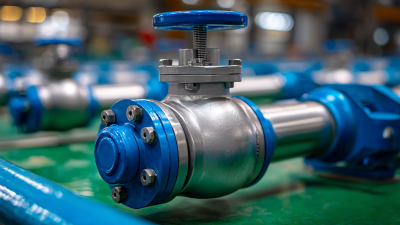
What Is the Best Screwed End Ball Valve in 2026?
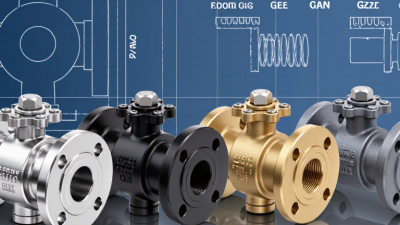
A Screwed End Ball Valve may look simple on a workbench: a compact body, threaded ends, a polished ball, and a handle that turns through a quarter circle. Yet choosing the right model for 2026 takes more than comparing prices. Buyers need to check pressure and temperature ratings, body and seat materials, thread compatibility, and the fluid being handled. A mismatch can mean leaks, difficult maintenance, or early replacement.
A named industry quotation needs a verifiable source. Since none was supplied, this introduction does not invent one. Instead, consider this original editorial line, not a historical quotation: “A valve earns trust when its materials, threads, and operating limits match the job.” That principle guides the comparison ahead. It keeps the focus on measurable specifications, not vague claims.
The best choice depends on the installation. A stainless-steel valve may suit a corrosive service, while a brass model may fit a less demanding system. Thread standards matter, too; connections that appear similar can still fail to seal correctly. Review manufacturer data, confirm the required end connection, and consider how often the valve will be operated. Small details count. This guide compares practical options and explains where each Screwed End Ball Valve performs well—and where its limits deserve a closer look. It is not a universal ranking; service conditions can change the answer.
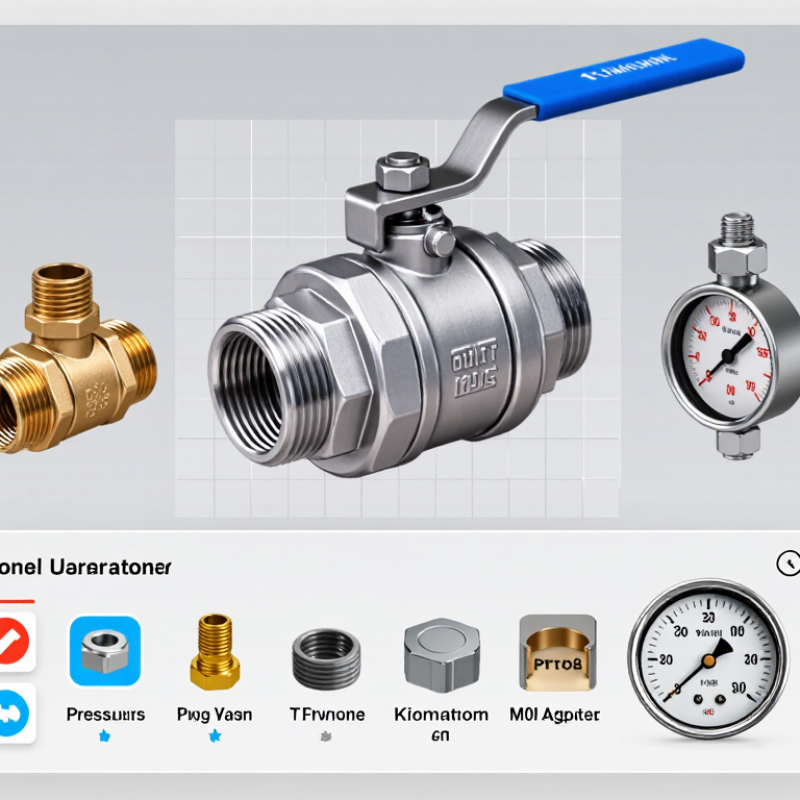
What Is a Screwed-End Ball Valve and How Does It Work?
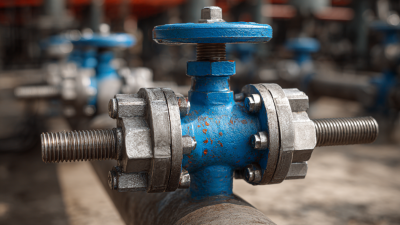
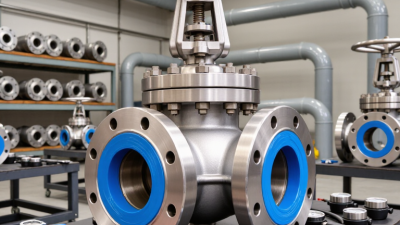
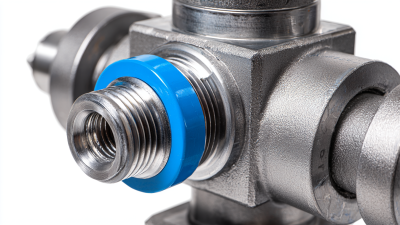
A screwed-end ball valve connects to a pipe through threaded ends, avoiding the space and hardware required by flanges. Inside, a drilled ball sits between two seats. Turn the handle 90 degrees, and the bore either lines up with the pipe or blocks flow. That quarter-turn is simple. The seal still depends on correct sizing, clean threads, and compatible materials.
Thread form matters: NPT and BSPT threads are not interchangeable. ASME B1.20.1 specifies common inch-series pipe threads, while the valve’s pressure and temperature limits must come from its own rating. During installation, hold the valve body steady and use an appropriate thread sealant; excess force can damage threads or distort the body. A wrench can hide a mistake. In practice, a tidy drawing can mislead when the actual pipe dimensions differ.
The U.S. Department of Energy’s 2002 United States Industrial Motor Systems Market Opportunities Assessment estimated that motor-driven systems used about 63% of U.S. manufacturing electricity. That figure is not valve-specific, but it shows why flow control and system design deserve attention. For a real selection, check media compatibility, pressure, temperature, and whether the valve will throttle or simply isolate flow. Ball valves are generally better suited to on-off service; partial opening can increase wear and undermine control.
What Is a Screwed-End Ball Valve and How Does It Work?
A screwed-end ball valve connects to a pipeline through threaded ends. Turning its handle a quarter-turn (90°) rotates the ball: the bore aligns with the pipe to allow flow, or turns across the flow path to shut it off. The 45° position illustrates an intermediate handle angle, not a measured flow rate.
Which Materials and Standards Define Valve Quality?
For a screwed-end ball valve, material quality starts with the body and ball. Stainless steel grades such as 304 or 316 resist corrosion, while carbon steel suits many less corrosive services. The choice depends on the fluid, temperature, and pressure—not appearance alone. A polished body can still be the wrong choice for a chemical line.
Seat material matters just as much. PTFE is common for many general services; reinforced PTFE or other engineered seats may suit higher loads or temperatures. Check compatibility against the actual fluid and operating range. Small details matter. A seat that works at room temperature may leak after repeated heat cycles. I would not assume a material name guarantees performance; grade, manufacturing quality, and traceable documentation also count.
Standards help make those details verifiable. For metal ball valves, API 608 addresses design, while ASME B16.34 covers pressure-temperature ratings. API 598 provides inspection and testing requirements. Thread form must match the pipe: NPT is specified by ASME B1.20.1, while ISO 7-1 covers pressure-tight pipe threads. Threads matter too. Confirm the required standard, pressure class, and test records on the valve documents, then compare them with the installation conditions. Requirements can vary by application, and a standard is not a substitute for checking the actual service.
How Can You Choose the Best Screwed-End Ball Valve for Your Needs?
What Is the Best Screwed End Ball Valve in 2026?
Choosing the right screwed-end ball valve starts with the service, not the price. Identify the fluid, operating pressure, temperature range, and how often the valve will cycle. Start with the medium. Check material compatibility against the fluid supplier’s data, especially for corrosive liquids or cleaning chemicals. A valve suitable for water may not suit another process. Leave a margin below its published pressure and temperature limits.
Check the thread standard and size against the existing pipe. NPT and BSP threads can look similar but are not interchangeable; confirm markings or compare a sample fitting before ordering. A simple check can prevent leaks. Consider bore size, too. A full-bore valve generally creates less flow restriction, while a reduced-bore model may fit space or budget constraints. Seat material also affects temperature limits, sealing, and wear, so compare the datasheet with actual operating conditions.
Think about installation and upkeep. Will the handle clear nearby pipes and walls? Can a technician reach the valve without dismantling equipment? For frequent operation, ask about cycle-life information and inspectable or replaceable components. During installation, support the pipe and use the correct thread sealant; don’t use the handle to force misaligned connections. Verify the pressure rating and leak-test the assembled line under an approved procedure. One detail is easy to overlook: the cheapest suitable valve may still cost more if access for maintenance is poor.