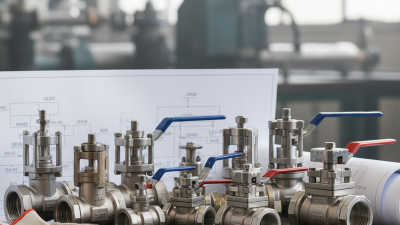
Choosing the best Flanged Ball Valves in 2026 starts with the service, not the catalogue. A valve handling clean water may need different materials and seats from one exposed to steam, hydrocarbons, or abrasive slurry. Pressure class, temperature range, media compatibility, operating frequency, and maintenance access all matter. Small details matter. A flange mismatch can complicate installation, while an unsuitable seat may shorten service life.
Market context helps, but it does not identify a universal winner. Grand View Research’s Industrial Valves Market Size, Share & Trends Analysis Report estimated the global industrial valves market at approximately $78.6 billion in 2023, with projected growth through 2030. This broad market estimate includes many valve types; it is not a ranking or performance study of flanged ball valves. That distinction is important. Buyers should compare documented pressure and temperature limits, body and trim materials, seat options, leakage testing, and applicable design standards, such as API 608 or ASME B16.5 where relevant. Check the manufacturer’s test records and technical documentation against the actual operating conditions. A polished specification sheet is not the same as proven field performance. Even careful comparisons leave uncertainty, because installation quality and maintenance practices affect results. This guide examines how to assess leading options in 2026, what evidence to request, and which trade-offs deserve closer attention before purchase.
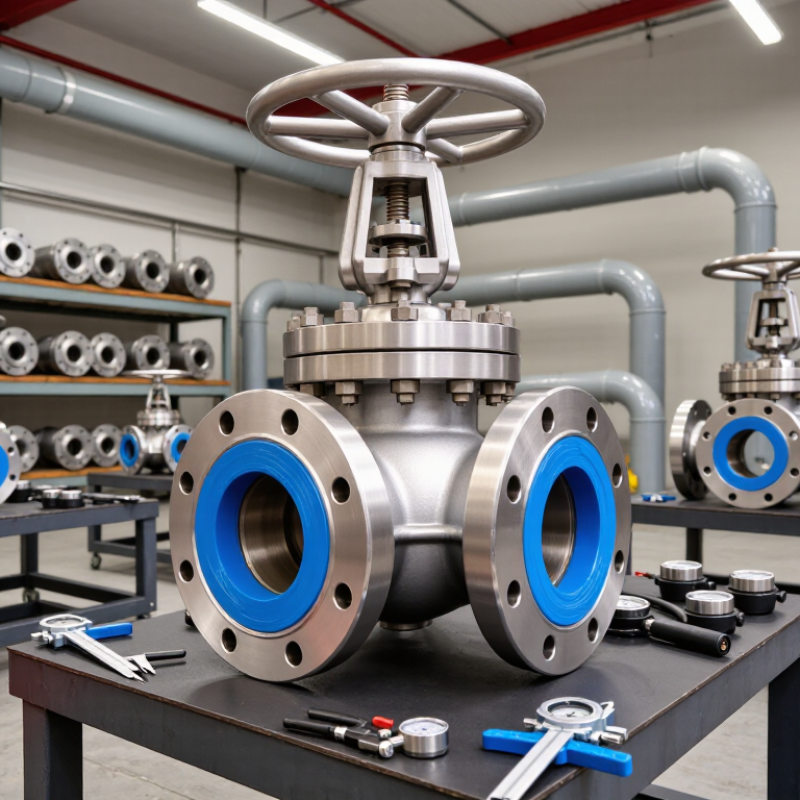
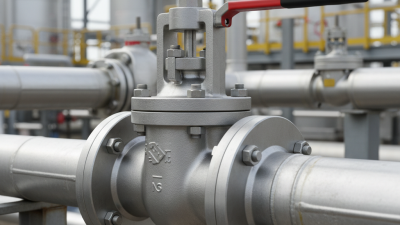
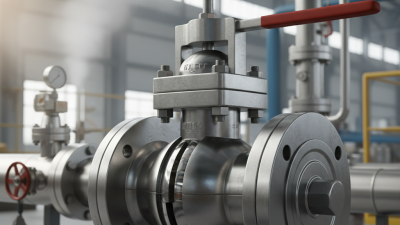
A flanged ball valve is an isolation valve with a spherical closure element inside its body and flanged connections at both ends. The flanges bolt to matching pipe flanges, usually with a gasket between them. Inside, a stem turns the ball, whose drilled passage controls the flow. Simple in principle.
When the passage lines up with the pipe, fluid can pass through with little obstruction. A quarter-turn moves the ball across the flow path, and the ball’s solid side blocks it. Seats around the ball help form the seal; their material and condition matter.
On site, a clear handle position helps an operator see whether the valve is open or closed, though position alone cannot confirm a leak-free seal.
Flanged designs are useful where a valve may need removal for inspection or maintenance. Correct installation still matters: bolt alignment, gasket placement, and even tightening help prevent leakage. A floating-ball design relies on line pressure to press the ball against a seat, while a trunnion-mounted design supports the ball differently. The right choice depends on pressure, size, temperature, and service conditions. Ball valves generally suit on-off service better than precise throttling. That distinction is easy to overlook. A valve can fit the pipe and still be poorly matched to the job.
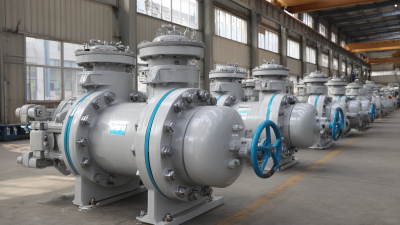
A full-port floating ball valve suits pipelines where low pressure drop matters, such as water circulation or product transfer. Its bore closely matches the pipe opening, helping reduce flow restriction. The ball is supported by seats, so this design is often practical for smaller lines and moderate pressures. Check the seat material against the fluid and operating temperature; a suitable metal body does not guarantee compatible seals. Fit matters more than a catalog ranking.
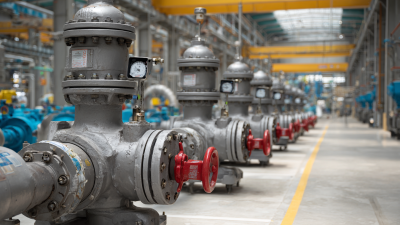
For larger pipe sizes or higher pressures, a trunnion-mounted design can reduce operating torque. The ball is anchored at the top and bottom, while spring-loaded seats maintain contact. This can make manual or automated operation more manageable. Reduced-port valves may be a sensible choice when space, weight, or cost matters more than maximum flow. That trade-off is easy to miss. A small bore can affect pump performance, so compare pressure-drop data with actual flow requirements.
Flanged ends help support installation and removal, especially where maintenance access is planned. Match the flange rating and facing to the connected piping, and allow room for bolts and actuator movement. For abrasive service, inspect seat wear and ask how the valve handles suspended solids; a standard soft seat may not last. Fire-tested or cavity-relief features may suit specific process risks, but they are not universal requirements. Selection still depends on the medium, pressure, temperature, cycling frequency, and maintenance plan. One imperfect point: published ratings rarely describe every real operating condition.
What Are the Best Flanged Ball Valves in 2026?
Material, pressure rating, and standards shape how a flanged ball valve performs in service. Carbon steel suits many water and hydrocarbon duties, while stainless steel can improve resistance to corrosion. It is not automatically the better choice: chlorides, temperature, and seat material still matter.
The 2016 NACE IMPACT study estimated corrosion costs at $2.5 trillion annually, or 3.4% of global GDP. That figure covers many industries, not valves alone, but it shows why material selection deserves careful review.
Pressure ratings depend on material, temperature, and design—not just the flange class stamped on the body. ASME B16.34 provides pressure-temperature rating tables for valves; ASME B16.5 covers flange dimensions and ratings. Check the manufacturer’s rating for the complete valve assembly at operating temperature.
A flange may meet its standard while a seat, stem, or body sets a lower limit. Small detail. Big consequence. API 607 fire-test qualification may also matter where fire-safe performance is specified.
Tips: Match body and seat materials to the actual fluid, temperature, and cleaning chemicals. Confirm pressure-temperature limits, flange standard, and test documentation before purchase. Leave room for uncertainty: service conditions can vary more than a tidy specification suggests.
The best flanged ball valves in 2026 are not defined by one feature. They match the fluid, operating conditions, and installation. Start with pressure and temperature ranges, then check whether the body and trim materials suit the process. A stainless body may resist corrosion, but the seat material still needs to tolerate the fluid and heat. Details matter.
Connection dimensions and pressure ratings must match the piping system. Confirm flange size, facing, and drilling before ordering; a small mismatch can delay installation. Ask for documented pressure tests, material traceability, and leakage data. These records make comparisons more dependable than broad performance claims. Look closely.
The ball and seat design affect shutoff, while bore size influences flow and pressure loss. For frequent cycling, review operating torque and actuator compatibility, not just the valve’s nominal size. Maintenance access also counts: can the valve be inspected or serviced without disturbing nearby equipment? No valve is ideal in every plant. I would still verify the actual fluid composition and duty cycle with the supplier, because simplified service descriptions can hide important operating differences.
There is no single best valve for every service. A suitable choice meets the system’s pressure, temperature, fluid compatibility, leakage, operating, and certification requirements. Confirm ratings against the applicable standard and the manufacturer’s pressure–temperature data.
| Selection Criterion | What to Check | Practical Selection Guidance | Relevant Standards or References |
|---|---|---|---|
| Pressure and temperature rating | Pressure class, design temperature, and the pressure–temperature rating of the body and trim materials. | Select a valve rated for the maximum expected operating conditions, including credible surges. Do not treat a class designation as a fixed pressure rating at every temperature. | ASME B16.34; applicable flange pressure–temperature ratings |
| Flange compatibility | Nominal size, pressure class, facing type, bolt pattern, and dimensional compatibility with the piping system. | Match the valve ends to the specified piping flange standard and facing. Check face-to-face dimensions where the valve is replacing existing equipment. | ASME B16.5; ASME B16.47; ISO 7005, as applicable |
| Seat leakage and shutoff | Required leakage acceptance, test medium, test pressure, and whether the application requires tight shutoff. | Specify the acceptance criteria in the purchase documents. Soft seats and metal seats have different temperature, wear, and leakage characteristics. | ISO 5208; API 598 |
| Fluid and material compatibility | Body, ball, stem, seat, and seal materials in relation to fluid chemistry, corrosion, erosion, and contamination limits. | Check all wetted materials against the process fluid and cleaning agents. Consider solids, abrasive particles, and corrosion mechanisms in addition to general fluid type. | Material specifications and project corrosion requirements |
| Fire-safe design | Whether the valve design has been fire-tested for the required service and certification basis. | For fire-exposed hydrocarbon or other specified services, require test evidence for the applicable valve design and size range; do not infer fire-safe performance from metal construction alone. | API 607; API 6FA; ISO 10497 |
| Fugitive emissions | Stem and body-joint emissions performance under the relevant test conditions and cycling requirements. | Where emissions control is important, specify the required test standard, temperature class, and performance level, and request supporting qualification documentation. | ISO 15848-1; API 641 |
| Operating torque and actuation | Breakaway, running, and end-to-end torque across the expected pressure, temperature, and service life. | Size manual operators or actuators using documented valve torque data with appropriate allowances. Account for differential pressure, cycling frequency, and fail-safe requirements. | Actuator and valve manufacturer sizing data; project control specifications |
| Flow and port design | Full-port or reduced-port construction, flow capacity, pressure drop, and suitability for throttling or on/off duty. | Use full-port designs when low pressure loss or passage of compatible cleaning devices is required. Confirm that the selected ball valve is suitable for the intended control duty. | Process hydraulic calculations; valve flow data such as Cv or Kv |
| Fire protection and electrical continuity | Anti-static provisions where static charge could create an ignition risk, and any grounding or bonding requirements. | Review the valve’s documented design features and the installation’s electrical bonding requirements for flammable-fluid service. | API 6D; ISO 17292; applicable site safety requirements |
| Quality, testing, and traceability | Pressure-test records, material documentation, inspection scope, identification, and traceability requirements. | Define required inspection and documentation before purchase. Confirm that test procedures and records correspond to the ordered valve configuration. | API 598; ISO 5208; project quality requirements |
| Maintenance and lifecycle suitability | Seat and seal replacement options, access for maintenance, expected cycling, and availability of service documentation. | Consider the cost and practicality of inspection, repair, and replacement over the intended service life, especially for critical or difficult-to-access locations. | Project maintenance strategy; service and installation documentation |
Choosing a flanged ball valve starts with the fluid, not the flange. Record normal and upset pressure, temperature, flow rate, and whether the line carries abrasive solids or corrosive chemicals. Compare those conditions with the valve’s pressure-temperature rating, body and seat materials, bore, and flange class. A valve that fits the pipe can still be wrong for the service.
The U.S. Department of Energy’s Improving Pumping System Performance sourcebook estimates that pumping systems consume nearly 20% of global electricity demand. It also reports they use 25–50% of energy in some industrial facilities. This is system-level context, not a valve-specific savings estimate. Still, pressure drop, oversizing, and throttling deserve attention. I would not select by nominal size alone; actual cycling can reveal a weak seat or undersized actuator.
Tips: Ask for documented pressure-temperature limits, leakage performance, and test evidence relevant to your service. Check the expected cycle frequency and verify actuator torque at the operating pressure. Small details matter. Yet operating data is often incomplete, so leave room to revisit assumptions before ordering.