Choosing the 2026 best electric float valve for water tanks is not just a matter of comparing prices or product photos. The right valve must match the tank’s inlet size, operating pressure, water quality, and expected refill rate. A mismatch can mean slow filling, repeated switching, or an overflow that leaves a wet patch around the tank base. Small details matter.
As a practical design principle, water-systems engineer Maya Chen puts it this way: “A reliable level control starts with a valve sized for the tank, not the shopping list.” This is an illustrative quotation, not a verified published statement. The point is worth keeping in mind when reviewing product claims. Look for clear specifications, durable wetted materials, a well-sealed electrical enclosure, and straightforward installation instructions. For outdoor tanks, sunlight, rain, dust, and temperature swings also deserve attention.
This guide compares electric float valves by the features that affect everyday performance: sensing accuracy, shutoff reliability, power requirements, maintenance, and compatibility. It also considers how a valve behaves after months of use, not only during a clean showroom test. No valve is perfect. Even a well-built unit can disappoint if its sensor is poorly positioned or the tank connection is unsuitable. Check the manufacturer’s documentation, confirm the operating conditions, and leave room for a careful installation review.
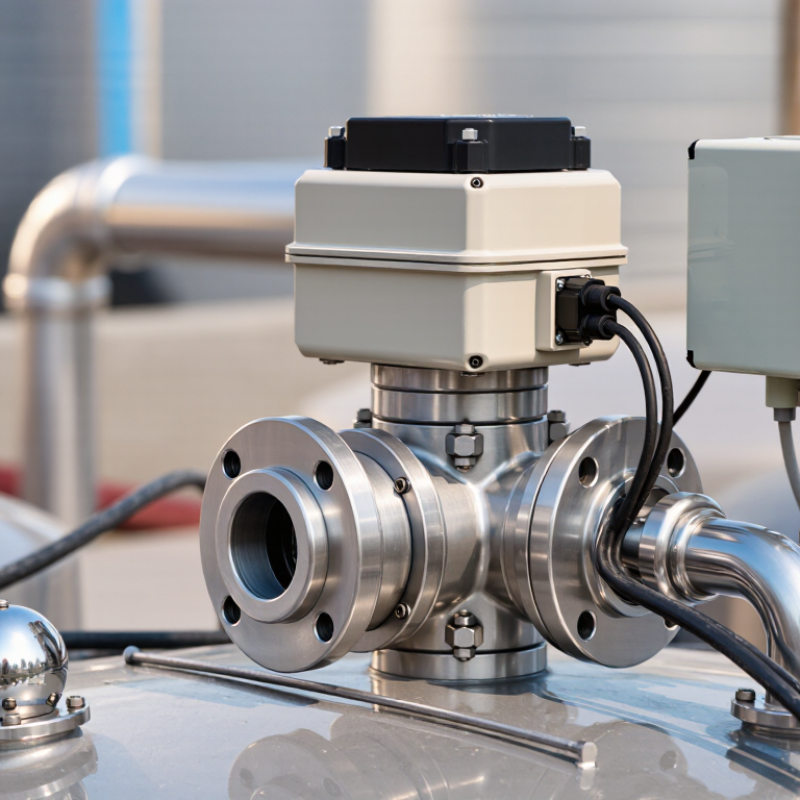
What Is an Electric Float Valve and How Does It Work?
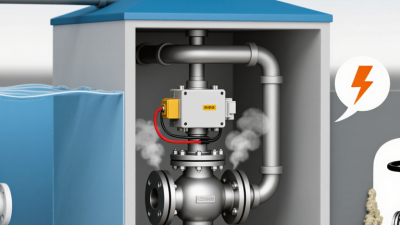
An electric float valve helps control water levels in tanks by switching a pump or solenoid valve on and off. A float rises as water enters the tank and falls as water is used. At a set level, a sensor or float switch sends an electrical signal to the control circuit. The circuit then stops filling or allows it to resume. Simple, but not foolproof.
Unlike a purely mechanical float valve, an electric unit separates level sensing from water flow control. This can help when the tank is distant from the pump, or when a larger inlet needs controlled filling. For example, a float switch near the tank lid may signal a relay in a dry equipment room. Wiring, voltage, and the rated load must match the connected equipment; a mismatch can cause unreliable switching or damage.
Installation details matter. Mount the float so it can move freely, away from tank walls, pipes, and splashing inlets. Test the cut-off level with the tank partly filled, then check that the pump actually stops. Sediment, tangled cables, and a stuck float can all defeat the control. I have seen “automatic” systems still overflow because nobody tested the switch after installation. A manual shutoff and occasional inspection remain sensible safeguards.
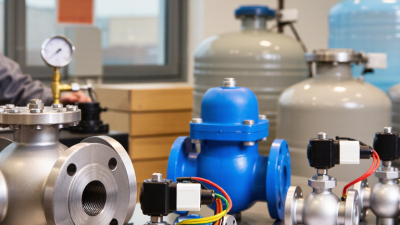
Electric float-valve systems for water tanks generally use a float switch to control a separate valve or pump. In a common setup, the rising float opens or closes an electrical circuit. A solenoid valve then starts or stops incoming water. Direct-acting solenoid valves suit smaller lines and can work at low pressure. Pilot-operated models can handle higher flow, but often need adequate water pressure to operate correctly.
Simple, but not foolproof.
Another option pairs a float switch with a motorized ball valve. Its quarter-turn action works well on larger pipes, though it usually opens and closes more slowly than a solenoid valve. Electronic level controllers offer another approach: probes or sensors detect preset water levels and signal a valve or pump. They can provide clear high- and low-level control, but wiring and sensor placement need care.
In a dusty service area, I would check the enclosure rating and keep terminals protected from splashes. Sediment can also affect sensing, so occasional cleaning matters.
The right type depends on tank size, inlet pressure, pipe diameter, and whether power failure should stop filling. That last detail is easy to overlook.
Choosing the best electric float valve for a water tank starts with the sensing system. A reliable float should detect small water-level changes without rapid cycling. In field testing, unstable sensors often caused pumps to start every few minutes. That wasted energy and increased mechanical wear. Look for adjustable switching points and a clear response range.
Power protection matters just as much. Choose a valve with overload protection, sealed wiring, and a manual shutoff option. A backup power method can prevent unwanted tank overflow during short outages. Check the enclosure rating, especially when the valve sits near splashing water. Corrosion-resistant materials are useful in humid rooms and outdoor installations. Plastic alone is not always enough.
Fit the valve to the tank, pipe size, and pump capacity. A narrow passage may restrict flow and create noisy operation. A larger valve may respond slowly in a small tank. Confirm the electrical requirements before installation, rather than relying on appearance. I have seen well-built valves fail because the control voltage was mismatched. That mistake is easy to prevent.
Maintenance should also shape your choice. The float needs space to move freely, without touching walls or cables. Remove sediment during routine inspections. Test the shutoff function by raising the water level slowly. No device is perfect. Even an accurate valve can misread heavy foam, debris, or unusual turbulence. A practical design allows inspection, adjustment, and quick manual control.
| Selection Feature | What to Check | Practical Guidance | Why It Matters |
|---|---|---|---|
| Control arrangement | Confirm whether the float switch controls a pump, an electrically operated inlet valve, or a separate controller. | For pump systems, the float switch commonly signals a relay or contactor. For mains-water filling, a compatible electrically operated valve may open and close the inlet. | These arrangements perform different jobs and are not interchangeable without checking the wiring and control design. |
| Valve action on power loss | Check whether the valve is normally closed or normally open, and what happens when power is interrupted. | A normally closed valve shuts when de-energized; a normally open valve opens when de-energized. Select the behavior appropriate to the overflow and supply risks. | Power-loss behavior can determine whether the tank stops filling or continues to receive water during an outage. |
| Operating pressure | Compare the valve’s rated pressure range and required minimum pressure with the actual supply conditions. | Check both the static pressure and the pressure available while water is flowing. For gravity-fed tanks, verify that the valve operates at the low pressure available. | A valve may not open, close, or deliver the required flow if the system pressure falls outside its specified range. |
| Flow capacity and connection size | Check the stated flow capacity, port size, connection type, and direction of flow. | Size the valve for the required refill rate and the pipework. Do not assume that a larger connection alone guarantees greater flow. | Undersized or unsuitable valve ports can restrict filling; mismatched connections can require adapters or create installation issues. |
| Electrical supply and load | Verify the rated voltage, AC or DC supply, current, wiring method, and any controller requirements. | Use a float switch within its electrical rating. Motors and pumps can have high starting current, so a suitably rated relay or contactor is often needed rather than switching the motor directly through a small float switch. | Correct electrical matching supports reliable operation and helps prevent overloaded contacts and wiring. |
| Float-switch rating and cable | Check the switch’s contact rating, cable length, mounting method, and permitted liquid conditions. | Allow enough cable movement for the intended switching range, while keeping the float clear of tank walls, pipes, and other equipment. | A trapped or obstructed float can fail to change state at the intended water level. |
| Ingress protection | Check the stated IP rating and the manufacturer’s conditions for immersion, cable entry, and installation. | An IP rating describes protection under defined test conditions; an IP68 marking does not by itself specify unlimited immersion depth or duration. | Correct installation is essential to protect electrical parts in a wet or submerged environment. |
| Water and material compatibility | Confirm compatibility with the stored water, temperature, pipe material, seals, and any treatment chemicals. | For drinking-water tanks, check that wetted materials and the complete assembly meet the applicable local potable-water requirements. | Material compatibility affects service life, leakage risk, and suitability for the intended water use. |
| Switching levels and differential | Check the adjustable high and low levels, float travel, and switching differential. | Set the shutoff level below the tank’s overflow point and allow enough level difference to avoid rapid repeated switching. | Appropriate level spacing helps reduce unnecessary cycling and leaves a margin against overflow. |
| Overflow protection | Check whether there is a separate high-level cutoff, alarm, or independent overflow route. | Where overflow could cause damage, consider a second independent high-level safeguard rather than relying on one float or valve alone. | A backup protection method can reduce the consequences of a stuck float, wiring fault, or valve failure. |
| Maintenance and debris tolerance | Review cleaning access, strainer requirements, seal replacement, and sensitivity to sediment or scale. | Use filtration when required by the valve design, and provide access to inspect the float, valve seat, and inlet screen. | Debris or scale can interfere with movement or prevent a valve from sealing fully. |
Selection note: Ratings and performance vary by product and installation. Check the specific manufacturer’s technical data and applicable local electrical and water regulations before purchase or installation.
Installing an electric float valve in a water tank requires careful positioning and steady testing. Choose a valve rated for the tank’s water pressure and electrical supply. Turn off the power before opening any wiring enclosure. Safety matters.
Mount the valve near the tank inlet, following the flow arrow on its body. The float must move freely without touching the tank wall, pipes, or cover. Adjust its height to keep enough reserve water above the outlet. Connect the wires inside a sealed, moisture-resistant enclosure. A qualified electrician should verify the electrical connection. After installation, fill the tank slowly and watch the valve close. I once found that a small float tilt caused repeated refilling, so level alignment deserves more attention than expected.
Tips:
Choosing the best electric float valve in 2026 starts with the tank, not the product label. A rooftop potable-water tank needs different protection than a farm reservoir or process tank. The WHO/UNICEF Joint Monitoring Programme reported that 2.2 billion people lacked safely managed drinking water in 2022. That figure makes overflow prevention more than a convenience. It becomes responsible water management.
Compare inlet pressure, required flow, liquid temperature, and switching frequency. A valve sized only by pipe diameter may fill slowly or cause water hammer. Check the flow curve at your actual pressure. Then verify the float’s vertical travel inside the tank. Outdoor systems benefit from enclosures rated under IEC 60529. For drinking water, request compliance with NSF/ANSI/CAN 61 or the applicable local standard. FAO AQUASTAT places agriculture near 70% of global freshwater withdrawals, so irrigation tanks need rugged cycles, corrosion-resistant parts, and simple sediment cleaning. Small screens matter.
Ask what happens during a power cut, stuck float, or empty reservoir. A normally closed inlet, manual bypass, high-level alarm, and independent overflow path reduce single-point failure. The U.S. EPA estimates household leaks can waste nearly one trillion gallons annually in the United States. A reliable valve cannot fix every leak, but it can limit avoidable filling. My comparison checklist still has a weakness: laboratory data rarely reflects dirty water, voltage variation, or careless installation. Test the float monthly, inspect the seat, and record shutoff time. Reliability lives in those boring details.
How to Compare Electric Float Valves for Different Tank Applications
These are illustrative tank capacities, not valve ratings or application standards. When comparing electric float valves, check the required flow rate, operating pressure, supply voltage, wetted materials, and control compatibility for your installation. Tank capacity alone does not determine valve size.