Leave Your Message

Top Electric Float Valve Suppliers for Global Buyers

Choosing the right Electric Float Valve supplier can affect water control, equipment life, and project reliability. Global buyers often compare suppliers by price, but that is only one part of the decision. A valve that looks suitable online may struggle with sediment, pressure changes, or frequent cycling in real installations.

This guide examines leading Electric Float Valve suppliers through practical purchasing factors. These include material quality, voltage options, sealing performance, flow control, and production consistency. Buyers may need a stainless steel valve for a corrosive tank, or a reinforced plastic model for a lighter agricultural system. Details matter. A 24V valve may suit a solar-powered installation, while 110V or 220V versions may fit industrial facilities. IP ratings, temperature limits, connection sizes, and emergency shutoff features also deserve careful review.

Reliable suppliers should provide clear datasheets, inspection records, traceable components, and responsive technical support. Factory audits, sample testing, and small pilot orders can reveal problems before a large shipment leaves the port. Certifications are useful, but buyers should confirm whether they match the destination market and actual product model. Not every “top supplier” performs equally across regions or applications. That point is easy to overlook.

The following overview helps distributors, contractors, and equipment manufacturers compare global suppliers more realistically. It considers manufacturing experience, customization ability, export history, and after-sales communication. Some evaluations remain subjective because supplier data can change. Careful verification is still necessary.
Top Electric Float Valve Suppliers for Global Buyers

Electric Float Valve Basics and Global Market Applications

Electric Float Valve Basics and Global Market Applications

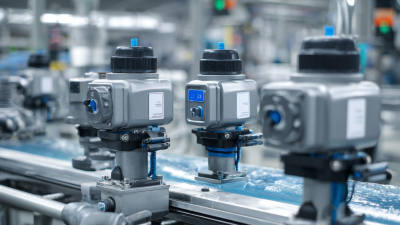
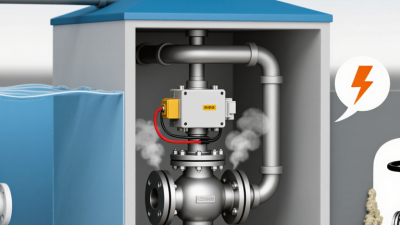
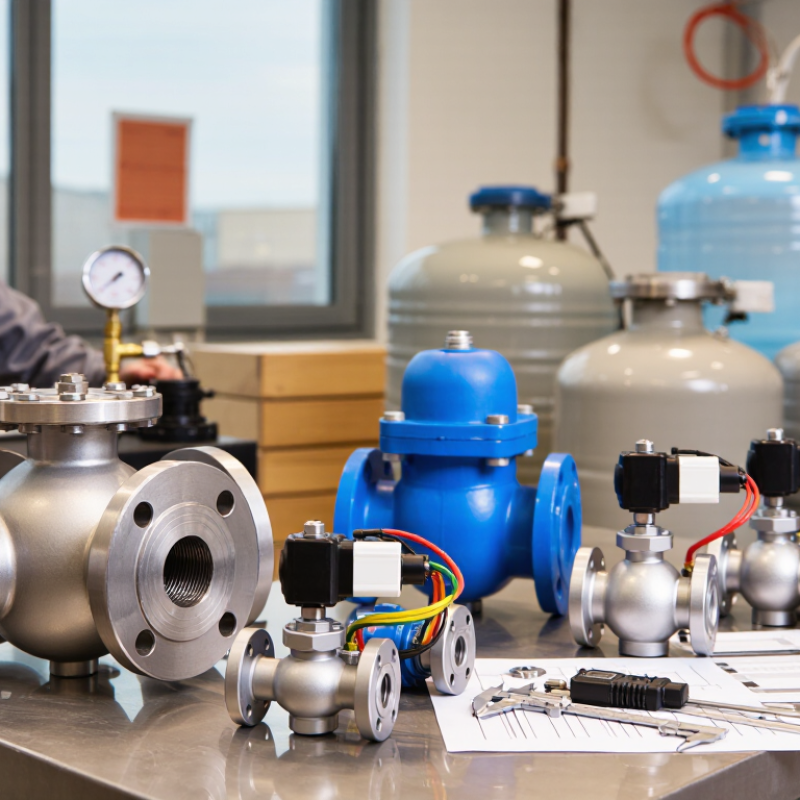
An electric float valve combines a level sensor, actuator, and shutoff mechanism. It opens or closes water flow when liquid reaches a preset height. Unlike a simple mechanical float, it can send signals to pumps, alarms, and control panels. This makes it useful in rooftop tanks, irrigation reservoirs, cooling systems, and industrial process storage.

Real-world selection starts with the liquid, not the catalog photograph. Confirm tank capacity, inlet size, operating pressure, temperature, and available voltage. Clean water may require different materials than mildly corrosive process water. Stainless steel parts can improve durability, but they may raise purchasing costs. Check enclosure protection for outdoor installations, especially where rain, dust, or spray is common. A reliable supplier should provide wiring diagrams, test records, replacement-part details, and clear installation instructions.

Global buyers also need practical support. Ask whether the supplier understands local power frequencies, connection standards, packing requirements, and after-sales communication. Small errors can cause large delays. A valve rated for one voltage may fail in another system. Remote sites may need manual override and visible level indicators. No selection method is perfect. Field conditions often differ from specifications, and this deserves honest review. Trial installation, leak testing, and repeated level checks can reveal problems before full deployment. Suppliers with documented quality controls and responsive technical teams are usually easier to trust.
Key Criteria for Comparing Electric Float Valve Suppliers

Top Electric Float Valve Suppliers for Global Buyers: Key Criteria for Comparing Electric Float Valve Suppliers
Choosing an electric float valve supplier requires more than comparing unit prices. The 2024 UNESCO World Water Development Report states that agriculture uses about 70% of global freshwater withdrawals. Reliable level control therefore affects operating costs, water loss, and equipment protection. Buyers should examine valve response time, flow range, pressure ratings, and performance under repeated switching.

Ask suppliers for documented test results. These should cover leakage, insulation resistance, corrosion exposure, and actuator endurance.

Compliance with relevant IEC, ISO, and regional electrical requirements also matters. An IP65 enclosure, for example, offers stronger dust and water protection than an untested housing. Check whether certificates match the exact model, not a similar product. Small details matter.

Review manufacturing traceability, spare-part availability, and technical support in the destination market. The International Energy Agency continues to identify motor-driven systems as major industrial electricity users, making efficient actuation a practical concern. Compare standby power, service intervals, and expected operating life. A low quotation can hide expensive replacements. It may not.

Request sample units when possible. Test them with your actual tank depth, cable length, water quality, and control panel. Supplier scorecards should include delivery consistency and response time, not only price. Claims about “maintenance-free” operation deserve careful questions. In real installations, seals age, floats collect deposits, and wiring mistakes happen. A supplier that explains these weaknesses may be more credible than one promising perfection.

Leading Supplier Types and Regional Manufacturing Strengths

Top Electric Float Valve Suppliers for Global Buyers

Leading Supplier Types and Regional Manufacturing Strengths

Electric float valve suppliers usually fall into three groups: component specialists, complete water-control manufacturers, and contract assemblers. Component specialists often provide compact sensors, coils, and actuators. Complete manufacturers usually offer tested valve bodies, control panels, and technical support. Contract assemblers may reduce cost, but documentation can be uneven. Buyers should request wiring diagrams, cycle-life data, ingress protection ratings, and spare-part lists before approval.

Regional strengths differ in practical ways. East Asian factories often combine high-volume machining with competitive electronics integration. European manufacturers typically emphasize traceability, energy efficiency, and conformity testing. North American suppliers often focus on municipal systems, industrial automation, and after-sales engineering. These differences matter because the UN World Water Development Report identifies agriculture as responsible for roughly 70% of global freshwater withdrawals. Reliable level control can reduce overflow and unnecessary pumping, especially in storage tanks.

Demand is also linked to basic infrastructure gaps. The WHO and UNICEF Joint Monitoring Programme reported that 2.2 billion people lacked safely managed drinking water in 2022. That figure supports long-term investment, but it does not guarantee every electric valve project will succeed. Site voltage, sediment, freezing risk, and maintenance skills can defeat an otherwise good design. I would not judge suppliers by price alone. Ask for third-party test evidence, IP ratings under IEC 60529, and clear failure-mode instructions. Small details matter. Weak documentation remains a common purchasing blind spot.

Top Electric Float Valve Suppliers for Global Buyers - Leading Supplier Types and Regional Manufacturing Strengths

Supplier Type Common Manufacturing Regions Typical Product Strengths Common Valve Materials Electrical and Control Options Common Standards and Certifications Typical Buyer Applications Key Purchasing Considerations
Integrated valve manufacturers Western Europe, North America, East Asia In-house valve bodies, floats, seals, actuators, testing, and technical support; suitable for engineered projects Brass Stainless steel Ductile iron Engineering plastics Motorized open/close control, limit switches, float sensors, relay interfaces, and optional remote monitoring Applicable product standards may include ISO, EN, ASME, IEC, CE, UL, or local drinking-water approvals, depending on model and market Water treatment, commercial buildings, industrial process systems, irrigation, and tank automation Verify pressure rating, fail-safe behavior, enclosure rating, spare-parts availability, and documented factory testing
Industrial process-valve specialists Germany, Italy, the United States, Japan, South Korea High-control accuracy, corrosion resistance, repeatable actuation, and suitability for demanding process environments 316 stainless steel Carbon steel Bronze PTFE-lined materials Electric actuators with position feedback, modulating control, integrated overload protection, and PLC compatibility IEC electrical requirements, NEMA or IP enclosure ratings, ASME-related piping requirements, and sector-specific approvals where applicable Chemical handling, food processing, utilities, cooling systems, and industrial storage tanks Check media compatibility, temperature range, torque margin, control signal type, and cleaning or sanitation requirements
High-volume OEM manufacturers China, Taiwan, Vietnam, India, and other Asian production centers Competitive pricing, broad size ranges, private-label production, configurable connections, and scalable order capacity Brass 304 stainless steel PVC Reinforced nylon Compact electric actuators, float switches, low-voltage options, basic relay control, and customized wiring CE, RoHS, ISO 9001-based quality systems, and destination-market certifications when specifically requested and verified Water tanks, appliance systems, agricultural irrigation, light commercial equipment, and general-purpose automation Confirm minimum order quantity, production sample approval, incoming inspection requirements, traceability, and warranty terms
Water and wastewater equipment suppliers North America, Western Europe, Australia, China, and India Tank-level control packages, potable-water configurations, wastewater compatibility, packaged controls, and field service Stainless steel Ductile iron PVC EPDM-sealed assemblies Float switches, electric shutoff valves, control panels, pump interlocks, alarm outputs, and supervisory system integration NSF/ANSI 61 or equivalent potable-water approval may be required; electrical and enclosure requirements vary by installation location Potable-water tanks, booster systems, sewage treatment, rainwater harvesting, and municipal utilities Review potable-water contact approvals, submergence conditions, solids tolerance, manual override, and maintenance access
Agricultural and irrigation suppliers Italy, Spain, Israel, the United States, Mexico, China, and Australia Outdoor durability, irrigation compatibility, simple level control, wide connection options, and easy replacement PVC Nylon Brass Stainless steel Low-voltage actuators, solar-compatible control systems, float-operated switches, timers, and remote irrigation controllers IP-rated enclosures, regional electrical approvals, UV-resistant materials, and applicable irrigation or plumbing requirements Farm reservoirs, livestock watering, greenhouse systems, drip irrigation, and landscape water storage Assess UV exposure, water quality, sediment, freezing conditions, power availability, and seasonal maintenance needs
Building-services and HVAC suppliers Europe, North America, Japan, South Korea, and China Compact designs, quiet operation, building-management integration, standardized connections, and packaged control solutions Brass Stainless steel Copper alloys High-temperature polymers 24 V AC/DC or other low-voltage actuation, two-position control, modulating control, auxiliary contacts, and BMS connectivity CE, UL, CSA, EMC requirements, IP or NEMA enclosure ratings, and local plumbing approvals where required Make-up water systems, chilled-water equipment, condensate tanks, boilers, cooling towers, and commercial plumbing Check operating noise, response time, ambient temperature, actuator cycle life, installation orientation, and BMS protocol compatibility
Custom engineering and system integrators North America, Europe, Singapore, Japan, Australia, and advanced manufacturing hubs in Asia Application-specific assemblies, control-panel design, sensor integration, commissioning, and documented system validation Project-specific selection 316 stainless steel Specialty polymers PLC/SCADA integration, analog level transmitters, remote I/O, redundancy, alarms, and customized sequencing Project specifications may reference IEC, ISO, ASME, NFPA, CE, UL, ATEX, or other sector and site requirements Remote facilities, hazardous or regulated processes, packaged skids, critical utilities, and multi-valve systems Request P&IDs, control narratives, functional test procedures, cybersecurity requirements, and complete commissioning documentation
Regional distributors and authorized stockists North America, Europe, the Middle East, Southeast Asia, and Australia Local inventory, shorter delivery times, replacement support, consolidated purchasing, and access to multiple technical ranges Brass Stainless steel PVC Ductile iron Ready-to-install electric actuators, float switches, control accessories, and standard replacement assemblies Supplied certifications should match the original product configuration and the regulations of the installation country Maintenance, repair, and operations programs; building services; local water systems; and replacement projects Confirm genuine documentation, stock age, replacement compatibility, local technical support, and return procedures
Buyer note: Electric float valve specifications vary by design. Before ordering, verify valve size, connection type, pressure class, fluid temperature, wetted-material compatibility, power supply, enclosure rating, control method, and the approvals required in the destination market.

Product Quality, Certifications, Customization, and Support

Global buyers should judge electric float valve suppliers through evidence, not catalog photographs. The ISO Survey 2022 recorded more than one million ISO 9001 certificates worldwide, showing quality systems are widespread. Yet certification alone does not prove reliable field performance. Ask for pressure-test records, leakage limits, material traceability, and production inspection procedures. A useful supplier explains how each valve performs in cold water tanks, corrosive environments, and frequent switching cycles.

Certifications must match the installation market. Request declarations for electrical safety, electromagnetic compatibility, ingress protection, and applicable pressure requirements. The UN World Water Development Report 2024 states that 2.2 billion people lacked safely managed drinking water in 2022. That figure makes dependable level control more than a purchasing detail. It also demands careful documentation. Check whether certificates cover the exact model, voltage, enclosure, and wetted materials. Small differences matter.

Customization should be practical, not decorative. Suppliers may adapt cable length, float geometry, thread sizes, control logic, seal materials, and alarm contacts. Provide tank drawings and operating conditions before requesting a quotation. Technical support should include installation guides, wiring diagrams, spare-part availability, and response targets. Remote troubleshooting helps, but it cannot replace local testing. One overlooked issue remains common: buyers often compare unit prices while ignoring calibration time, replacement access, and shipping delays. A cheaper valve can become expensive when a full tank system stops.

Top Electric Float Valve Suppliers for Global Buyers

Product quality, certifications, customization, and technical support should be evaluated against the electrical standards of the target market.

The chart shows commonly used nominal single-phase supply voltages and frequencies in major buyer markets. Suppliers should confirm voltage, frequency, enclosure protection under IEC 60529, applicable conformity requirements, customization options, spare-parts availability, and after-sales support before purchase. Local installation requirements should always be verified.

How Global Buyers Can Evaluate and Select the Right Supplier

Top Electric Float Valve Suppliers for Global Buyers

How Global Buyers Can Evaluate and Select the Right Supplier

Selecting an electric float valve supplier requires more than comparing unit prices. Check the supplier’s manufacturing experience, engineering capacity, and quality controls. Ask for datasheets, wiring diagrams, material specifications, and recent test records. A reliable supplier should explain operating voltage, flow range, pressure limits, and water compatibility clearly. Vague answers deserve attention.

Request samples before placing a large order. Test the valve under realistic conditions, including repeated filling cycles, voltage variation, and sediment exposure. Inspect the float response, sealing surface, cable entry, and manual override. Confirm whether production batches are traceable. Review certifications relevant to the destination market, but verify them independently. A certificate image alone proves very little.

I once focused too heavily on a low price. The replacement delays cost more than the original savings.

Tips: Compare at least three suppliers. Ask for a written quotation with delivery terms, warranty coverage, spare parts, and inspection procedures. Confirm packaging details, especially moisture protection for long-distance shipping. Discuss communication response times before payment. A dependable contact matters during an urgent installation. Also, clarify customization limits. Some suppliers promise everything, then revise the design later. That is a warning sign. Keep a small pilot order, even when the factory appears experienced. Testing exposes assumptions early.