Why Choose Electric Ball Valve for Your Industrial Applications?
In modern industrial settings, reliability and efficiency are paramount. The Electric Ball Valve has emerged as a leading choice in fluid control. According to John Smith, an industry expert with over 20 years of experience, "Electric Ball Valves enhance precision and reduce downtime." This statement underscores the essential benefits these valves bring to various applications.
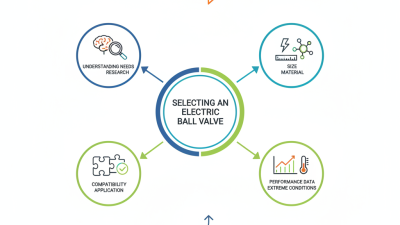
Electric Ball Valves offer automation that manual valves simply cannot match. They provide quick and accurate flow regulation, ensuring smooth operation in complex systems. Their compact design makes them ideal for facilities with limited space. However, choosing the right valve is not always straightforward. Users must consider factors like compatibility and operating conditions.
Despite these challenges, the advantages of Electric Ball Valves are compelling. They can withstand high pressures and temperatures, making them suitable for demanding environments. Yet, it's important to recognize that maintenance is still required to ensure optimal performance. Balancing these needs is key to harnessing the full potential of Electric Ball Valves in your operations.
Benefits of Electric Ball Valves in Industrial Settings
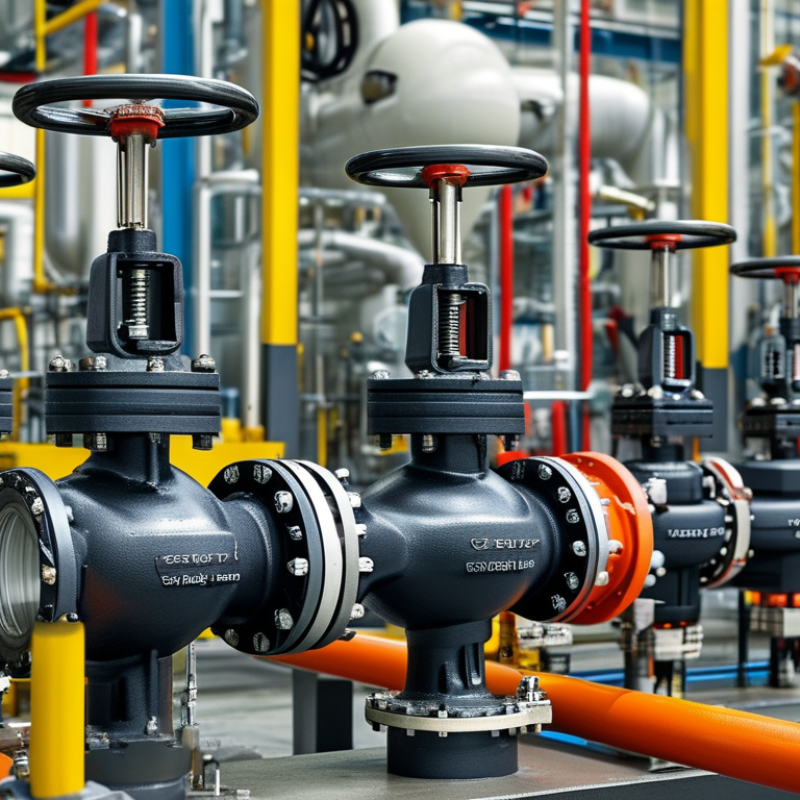
Electric ball valves offer numerous advantages for industrial applications. They are not only efficient but also versatile. These valves allow for precise control over fluid flow. This is crucial in processes demanding accuracy. The actuation mechanism provides quick and smooth operation. This can lead to enhanced productivity in manufacturing settings.
Furthermore, electric ball valves require minimal maintenance. This reduces downtime and operational costs. Operators find them easier to control than manual variants. They can be integrated into automated systems seamlessly. However, it’s important to consider power reliability. A power failure could disrupt operations. Proper backup systems should be evaluated.
In terms of installation, electric ball valves consume less space. They can fit into tight quarters often found in facilities. This allows for improved layout flexibility. Yet, it's essential to undergo proper training. Operators need to understand both benefits and limitations. Each application may present unique challenges, leading to necessary adjustments.
Comparison of Electric Ball Valves and Traditional Valve Types
Electric ball valves are increasingly popular in industrial applications. Their precise control and reliability set them apart from traditional valve types. Unlike manual or pneumatic valves, electric ball valves can be operated remotely, making them ideal for hard-to-reach locations. This feature enhances safety and efficiency in various processes.
Traditional valves often require manual operation, which can be labor-intensive. This increases the risk of errors and delays. Electric ball valves minimize these risks by allowing for automated systems. They provide consistent performance and can integrate with modern control systems seamlessly. This adaptability is crucial in industries requiring real-time monitoring and quick responses.
However, it is essential to consider that electric ball valves may require more initial investment. Ongoing maintenance costs should be factored in. Training staff to operate and troubleshoot electric valves can also present challenges. Understanding both the benefits and potential drawbacks is vital for making informed decisions.
Key Features of Electric Ball Valves That Enhance Efficiency
Electric ball valves are becoming increasingly popular in industrial applications due to their efficiency and precision. One of the most notable features is their ability to provide rapid and reliable control. According to a report by the Control Valve Market Research, the global demand for electric actuators is projected to grow by 6% annually. This rise reflects the industry’s transition towards automation and smarter solutions.
Moreover, electric ball valves enhance energy efficiency. They consume less power compared to pneumatic alternatives. In a study conducted by the International Energy Agency, it was found that utilizing electric valves could reduce energy consumption by up to 30% in certain applications. This is a significant factor for industries aiming to cut operational costs while remaining environmentally friendly.
Additionally, the diagnostic capabilities of electric ball valves contribute to improved system reliability. These valves can self-diagnose issues, potentially preventing costly downtimes. However, this feature requires regular maintenance to ensure accuracy. While electric ball valves offer numerous advantages, some installations may face challenges in terms of initial setup or integration into existing systems. Understanding these complexities is essential for maximizing their benefits in an industrial environment.
Applications of Electric Ball Valves Across Different Industries
Electric ball valves find diverse applications across various industries, demonstrating their adaptability and efficiency. In the oil and gas sector, they manage the flow of fluids with precision. They can withstand high pressures, making them suitable for drilling and refining processes. However, some operators note occasional issues with response times in extreme conditions.
In the food and beverage industry, electric ball valves ensure hygiene and reliability. They allow for quick and sanitary operation, crucial for maintaining product quality. Yet, there have been reports of corrosion in certain environments, which raises concerns about long-term durability.
Water treatment plants also rely on these valves for efficient flow control. They enable automated operations, reducing the need for manual adjustments. Still, the complexity of installation can lead to initial setbacks for some facilities. This highlights the importance of thorough planning and skilled personnel during setup. Overall, electric ball valves improve efficiency across sectors while also presenting unique challenges.
Applications of Electric Ball Valves Across Different Industries
Maintenance and Reliability of Electric Ball Valves in Operations
Electric ball valves are becoming essential in industrial applications. Their reliability during operations plays a crucial role in ensuring efficiency. According to a recent industry report from the International Society of Automation, electric ball valves boast a failure rate as low as 0.1%. This figure indicates the high-level reliability these valves provide in demanding environments.
Maintenance is often a concern in industrial settings. While traditional valves frequently require manual adjustments and repairs, electric ball valves are designed for minimal upkeep. They feature self-diagnosing capabilities. This means they can identify issues before they lead to failures. Research suggests that implementing electric actuators can reduce maintenance costs by up to 20%. However, this does not eliminate the need for regular inspections and checks.
Operational efficiency can also suffer from unexpected downtimes. If an electric ball valve malfunctions, the costs can accumulate quickly. For instance, a report revealed that unplanned downtime can cost companies as much as $260,000 per hour. This significant figure stresses the importance of selecting valves that not only perform well but are also easy to maintain. Working closely with professionals in the field can help ensure the right choice for specific industrial needs.