Top 10 Double Ball Valve Suppliers in China for Global Buyers?
In the expansive landscape of valve manufacturing, the "Double Ball Valve" plays a pivotal role in various industrial applications. Renowned expert Dr. Emily Zhang, a leading authority in fluid control systems, stated, "The reliability of a Double Ball Valve can significantly influence system performance." This highlights the importance of selecting the right supplier, especially for global buyers seeking quality and innovation.
China is home to numerous suppliers that specialize in Double Ball Valves. Each supplier has unique strengths and capabilities. The marketplace is competitive, and not all suppliers meet the same standards. Buyers should consider quality, compliance, and service reliability. Finding the right manufacturer is not merely about price; it requires careful evaluation.
While navigating this complex market, it's vital to examine suppliers' reputations and past performance. Many companies promise high standards but may fall short. Gathering feedback is essential. Ultimately, informed decisions can lead to sustainable partnerships and optimal performance in fluid management systems. Reliability matters, and so does the choice of supplier in the Double Ball Valve industry.
Overview of Double Ball Valves and Their Applications
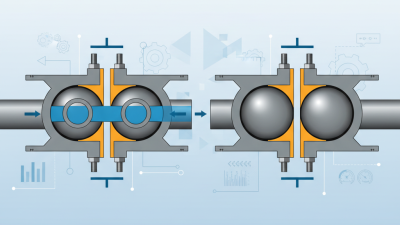
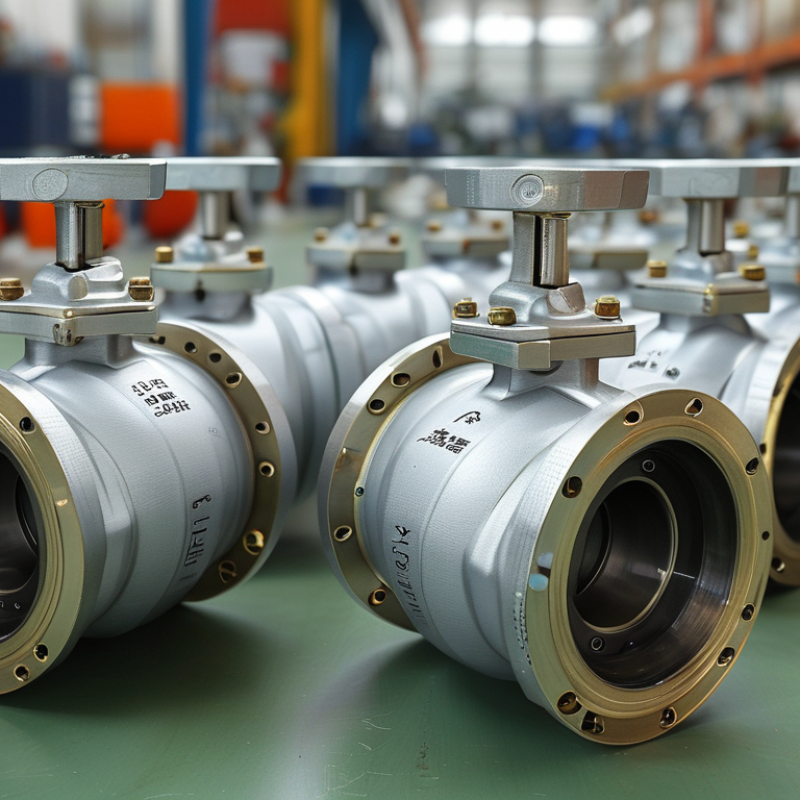
Double ball valves play a crucial role in various industrial applications. They are designed to provide tight sealing and high flow rates, making them suitable for fluid control in oil, gas, and water systems. According to a recent market report, the global double ball valve market is projected to grow at a compound annual growth rate (CAGR) of 4.5% between 2023 and 2028. This growth is driven by the increasing demand for efficient fluid management across sectors.
The applications of double ball valves are diverse. They are commonly used in water treatment facilities, chemical processing, and HVAC systems. Their robust design allows them to handle high pressures and corrosive fluids. In water treatment, for example, the valves help regulate the flow of water through filtration systems. However, issues such as wear and tear can lead to failures. Regular maintenance is essential to ensure their longevity and efficiency.
In addition, the choice of materials for double ball valves affects their performance. Common materials include stainless steel and brass, which offer durability. However, improper material selection can result in leaks or decreased performance. This highlights the need for manufacturers to carefully evaluate the specifications required for each application. Being informed about these factors can significantly impact operational efficiency and safety.
Top 10 Double Ball Valve Suppliers in China for Global Buyers
| Supplier Rank |
Annual Revenue (USD) |
Market Share (%) |
Export Volume (Units) |
Main Application Industries |
| 1 |
$120 million |
15% |
50,000 |
Oil & Gas, Water Treatment |
| 2 |
$95 million |
12% |
45,000 |
Chemicals, Power Generation |
| 3 |
$80 million |
10% |
30,000 |
Mining, Pharmaceutical |
| 4 |
$70 million |
8% |
25,000 |
Food & Beverage, HVAC |
| 5 |
$65 million |
7% |
20,000 |
Construction, Shipbuilding |
| 6 |
$55 million |
5% |
18,000 |
Pulp & Paper, Textile |
| 7 |
$50 million |
5% |
15,000 |
Aerospace, Electronics |
| 8 |
$45 million |
4% |
12,000 |
Waste Management, Automotive |
| 9 |
$40 million |
3% |
10,000 |
Marine, Renewable Energy |
| 10 |
$35 million |
2% |
8,000 |
Beverage, HVAC Systems |
Criteria for Selecting Reliable Double Ball Valve Suppliers
When selecting reliable double ball valve suppliers, several critical factors must be considered. First, look for suppliers with substantial industry experience. According to a report by MarketsandMarkets, the global valve market reached $77.3 billion in 2020, and experienced suppliers exhibit deeper knowledge of market trends and customer needs. This expertise ensures they provide products that meet the latest industry standards and comply with necessary regulations.
Quality assurance is another essential criterion. Suppliers should have certifications such as ISO 9001, which guarantees consistent quality in manufacturing processes. A study from Grand View Research indicates that quality issues account for 15% of product failure rates in industrial valves. Choosing suppliers who prioritize quality management systems can minimize risks and enhance reliability.
Additionally, consider suppliers' customer service reputation. Efficient communication and responsive support are vital for troubleshooting and timely order fulfillment. Inconsistent performance can lead to project delays, affecting overall operational efficiency. Engaging with references and industry reviews can offer valuable insights into suppliers' operational reliability and after-sales support.
List of Top 10 Double Ball Valve Suppliers in China
When sourcing double ball valves in China, understanding the landscape of suppliers is essential. The market features a mix of established manufacturers and emerging players. Quality varies, so it’s vital for global buyers to conduct thorough research.
Many suppliers boast advanced production technologies and certifications. They offer various valve sizes and materials suitable for different applications. However, some manufacturers may not meet international standards. This inconsistency can lead to unreliable performance. Buyers should visit factories or request detailed product specifications before making commitments.
It's also wise to consider customer service and support. Some suppliers excel in post-purchase assistance, while others may lack responsiveness. Engaging with previous clients or reading reviews can provide valuable insights into a supplier's reliability. The double ball valve market is competitive, yet there are standout suppliers worth exploring.
Comparison of Supplier Performance and Product Quality
When evaluating double ball valve suppliers in China, quality and performance stand out as critical metrics. Recent industry reports indicate that approximately 70% of global buyers prioritize product quality over pricing when selecting suppliers. In a competitive market, this focus on quality reflects the necessity for reliable performance in various applications, including oil, gas, and water management.
Performance metrics vary significantly among suppliers. An analysis of supplier evaluations shows that only 60% meet international standards consistently. This disparity raises concerns about reliability and long-term operational efficiency. Buyers should scrutinize a supplier’s manufacturing processes. Factors like material sourcing and quality control directly impact the product’s lifespan and functionality.
Additionally, customer feedback plays a vital role in assessing supplier reliability. Reports indicate that 40% of customers experience discrepancies between expected and delivered quality. These gaps highlight the importance of thorough due diligence. Buyers should seek detailed performance records and request samples to verify quality claims. Balancing cost and reliability is essential in the current landscape of double ball valve procurement.
Future Trends in Double Ball Valve Manufacturing in China
The double ball valve manufacturing sector in China is evolving rapidly. With advancements in technology, manufacturers are focusing on more efficient production techniques. Innovations in materials are also on the rise, leading to valves that are not only durable but also lightweight.
As global demand increases, manufacturers are exploring automation. This can enhance production speed and reduce human error. However, challenges remain. The need for skilled workers who understand both traditional and modern techniques is becoming crucial in this tech-driven industry.
Tips to consider: Embrace new technologies. Staying updated can lead to better product efficiency.
Moreover, environmental concerns are shaping production methods. Companies are seeking eco-friendly materials and sustainable practices. This transition can be difficult due to the initial costs involved. Yet, the long-term benefits are undeniable, from cost savings to improved market reputation.
Think critically about your sourcing decisions. Innovative suppliers can offer both reliability and compliance with environmental standards.
Top 10 Double Ball Valve Suppliers in China