Top Tips for Choosing the Best Double Ball Valve for Global Purchase
Selecting the right Double Ball Valve can be a complex task. Industry expert, Dr. Amelia Richards, emphasizes, "The accuracy in choosing a Double Ball Valve directly impacts system efficiency." This statement highlights the importance of expert knowledge in this niche field.
When considering a Double Ball Valve, it is vital to understand specific application needs. Are you managing high-pressure systems? Are flow rates critical? Each decision can affect operational performance. Often, buyers overlook these factors, leading to costly mistakes later on.
Quality standards matter significantly in this industry. The reliability of a Double Ball Valve can only be ensured by well-established manufacturers. As Dr. Richards notes, “A poor choice can result in unexpected failures.” Thus, proper research and consultation with experts will help elevate your selection process. Focus on achieving the best solution for your specific needs.
Understanding Double Ball Valves: Key Components and Functions
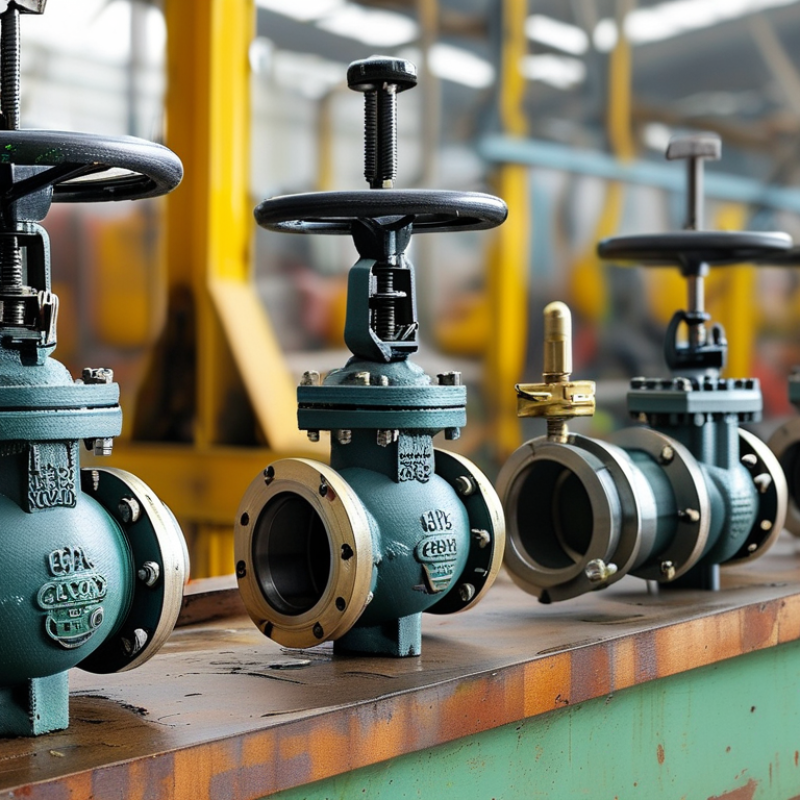
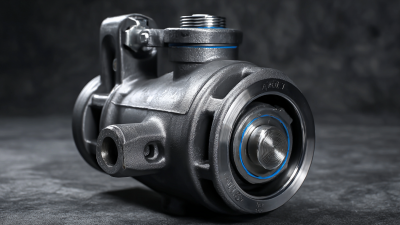
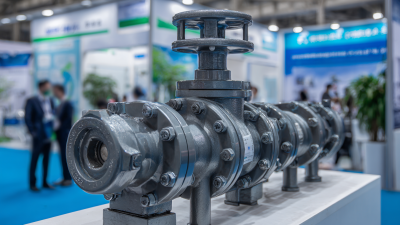
When selecting a double ball valve, understanding its components is crucial. Double ball valves are designed with two balls that control flow. Each ball has a hole in its center, allowing media to pass through when aligned. A reliable valve must offer smooth operation and minimal leakage. The structure should be robust, made from durable materials, ensuring a long lifespan.
The functionality of double ball valves hinges on their design. They perform well in high-pressure applications. Their unique feature allows for quick shut-off, making them ideal in critical systems. However, not all designs lead to optimal performance. Evaluating the seating mechanisms is essential. A poorly designed seat can result in leaks and failure over time.
Developing a clear understanding of these key components helps in making informed choices. Inspecting valve certifications can provide insight into reliability. Many factors influence the selection process, including material compatibility and operating conditions. Even seasoned professionals sometimes overlook these details. Reflecting on past experiences can lead to better decisions in the future.
Comparison of Double Ball Valve Types
Analyzing Global Market Trends for Double Ball Valves in 2023
In 2023, the global market for double ball valves is witnessing intriguing trends. As industries evolve, so does the demand for reliable and efficient valve systems. Companies are increasingly focusing on durability and performance, which are crucial for minimizing operational downtime. Manufacturers are innovating, introducing materials that enhance longevity and reduce maintenance needs.
However, not all double ball valves meet these rising expectations. Some products fall short, leading to frequent replacements and repairs. Buyers need to assess the specifications carefully. Understanding the installation requirements can also impact the overall performance. A poorly chosen valve can compromise an entire system.
Market analysis indicates a growing preference for sustainable practices. Many firms are seeking eco-friendly materials and production methods. This shift presents both opportunities and challenges. While sustainability is vital, it can also raise production costs. Balancing quality with cost is becoming essential for buyers navigating this complex market landscape.
Evaluating Material Choices for Durability and Performance Standards
When selecting a double ball valve, material choices are crucial for both durability and performance. Common materials include stainless steel, brass, and PVC. Each offers different benefits.
Stainless steel is known for its corrosion resistance and strength. It's ideal for harsh environments. Brass provides excellent durability but can corrode under specific conditions. PVC is lightweight and resistant to certain chemicals, but may not withstand high temperatures.
Evaluating these materials requires assessing the specific application. For instance, high-pressure systems often need robust materials. Stainless steel would be a better choice here. However, for outdoor installations, you might reconsider. Exposure to harsh weather could affect some materials over time. It's essential to weigh the pros and cons of each option.
Test your choices under real conditions. Sometimes, even reputable materials might not meet your expectations. Feedback from users can provide insights into long-term performance. This reflection is vital. It can highlight potential issues that standard testing might overlook.
Assessing Common Applications: Industries Utilizing Double Ball Valves
Double ball valves play a crucial role in various industries. They are commonly used in oil and gas, water treatment, and chemical processing sectors. Their design allows for effective isolation of flow. This feature is essential when performing maintenance or during emergencies.
In the oil and gas industry, double ball valves help prevent leaks. They ensure safety in high-pressure environments. Similarly, in water treatment facilities, these valves control water flow. They manage pressures effectively, promoting operational efficiency. However, consistent maintenance is often overlooked. Neglecting this can lead to expensive failures.
Chemical processing relies on the reliability of double ball valves. They handle aggressive substances, requiring high durability. Yet, choosing the wrong material can result in corrosion. Attention to detail in selecting the right valve is vital. Over time, many users realize this too late, resulting in costly downtimes. Awareness of these factors can significantly enhance performance and reliability in critical applications.
Top Tips for Choosing the Best Double Ball Valve for Global Purchase - Assessing Common Applications: Industries Utilizing Double Ball Valves
| Industry |
Common Applications |
Material Type |
Working Pressure (psi) |
Temperature Range (°F) |
| Oil and Gas |
Pipeline Isolation |
Stainless Steel |
1500 |
-20 to 350 |
| Water Treatment |
Flow Control |
PVC |
250 |
32 to 140 |
| Chemical Processing |
Corrosive Fluid Handling |
Polypropylene |
800 |
-40 to 180 |
| Pharmaceutical |
Sterile Processing |
316L Stainless Steel |
1000 |
-20 to 250 |
| Food and Beverage |
Beverage Dispensing |
Brass |
600 |
32 to 200 |
Guidelines for Compliance: Regulatory Standards and Certification Processes
When selecting a double ball valve for global purchase, regulatory standards and certification processes are crucial. Compliance ensures safety and reliability, factors that greatly influence market acceptance. According to the International Organization for Standardization (ISO), over 1,700 new standards were adopted in 2021 alone. These standards cover material quality, testing methods, and performance criteria essential for valves.
Manufacturers must adhere to local and international regulations. For instance, American Petroleum Institute (API) standards are vital in North America. These standards provide guidelines for product quality and help avoid potential failures. A report by Market Research Future indicates that even a single non-compliance incident can lead to significant financial losses and reputational damage.
Investing in certified products is essential. Non-compliance can result in delays and increased costs. The complexity of global regulations often requires manufacturers to invest in compliance expertise. This complexity can lead to errors, as many companies may not fully understand the differing standards in various regions. Regular audits and training are necessary to mitigate these risks and improve compliance.