Top 5 Tips for Choosing Duplex Ball Valves for Your Needs
In the world of fluid control, choosing the right Duplex Ball Valves can be a game changer. Experts like Dr. Alice Morgan, a leading valve engineer, emphasize, “The right choice of Duplex Ball Valves can streamline operations and enhance safety.” With various types available, understanding their unique features is essential for efficient applications.
Selecting Duplex Ball Valves involves careful consideration. Their material, size, and pressure ratings play crucial roles in performance. For instance, Duplex Steel offers superior corrosion resistance, making it vital for harsh environments. The decision-making process can feel overwhelming, especially when multiple options appear similar. It demands diligence and expertise to navigate these choices effectively.
Real-world challenges often highlight the need for precise valve selection. Many have faced operational issues stemming from improper valve choices. Learning from these experiences can guide future projects. Knowledge is key in this industry, and taking the time to evaluate options ensures successful outcomes with Duplex Ball Valves.
Understanding Duplex Ball Valves and Their Applications
Duplex ball valves are crucial in many industrial applications. They are made from a stainless steel alloy that combines high strength and excellent corrosion resistance. This makes them ideal for pipelines carrying corrosive fluids, such as chemicals or saline solutions. According to a recent report by Grand View Research, the global market for duplex stainless steel valves is projected to reach 2.34 billion USD by 2027.
Understanding the specific applications of duplex ball valves helps in making informed choices. These valves are prevalent in oil and gas, water treatment, and maritime industries. Their reliability under extreme conditions is well-acknowledged. A study from MarketsandMarkets suggests that the demand for durable and corrosion-resistant valves is rising as industries shift towards sustainable practices.
Choosing the right duplex ball valve requires awareness of operational conditions. Factors like temperature, pressure, and fluid types significantly impact performance. A simple miscalculation can lead to valve failure. Moreover, while duplex ball valves are robust, they are not invulnerable. Regular maintenance and inspection are vital to ensure their longevity and efficiency. Understanding these nuances is essential for ensuring safety and operational efficiency.
Evaluating Material Compatibility for Duplex Ball Valves
Selecting duplex ball valves requires careful consideration of material compatibility. Duplex stainless steel is often chosen for its corrosion resistance. However, not all materials work well with it. Environmental factors play a significant role in determining compatibility. For instance, the presence of chloride ions can lead to pitting and crevice corrosion. It's crucial to evaluate your specific application and conditions.
Understanding the media flowing through the valve is essential. Different chemicals can react with various materials. Testing under controlled conditions can reveal unexpected interactions. Regular maintenance and inspection help identify any issues early. It's important to note that even reputable materials may fail if exposed to the wrong environment.
Consulting with industry specialists is a smart approach. Their expertise can guide you in the right direction. They can help assess the suitability of different materials for your needs. Incorporating feedback from previous projects or users can provide valuable insights. Ultimately, a detailed analysis will enhance performance and longevity.
Key Factors in Sizing Duplex Ball Valves for Optimal Performance
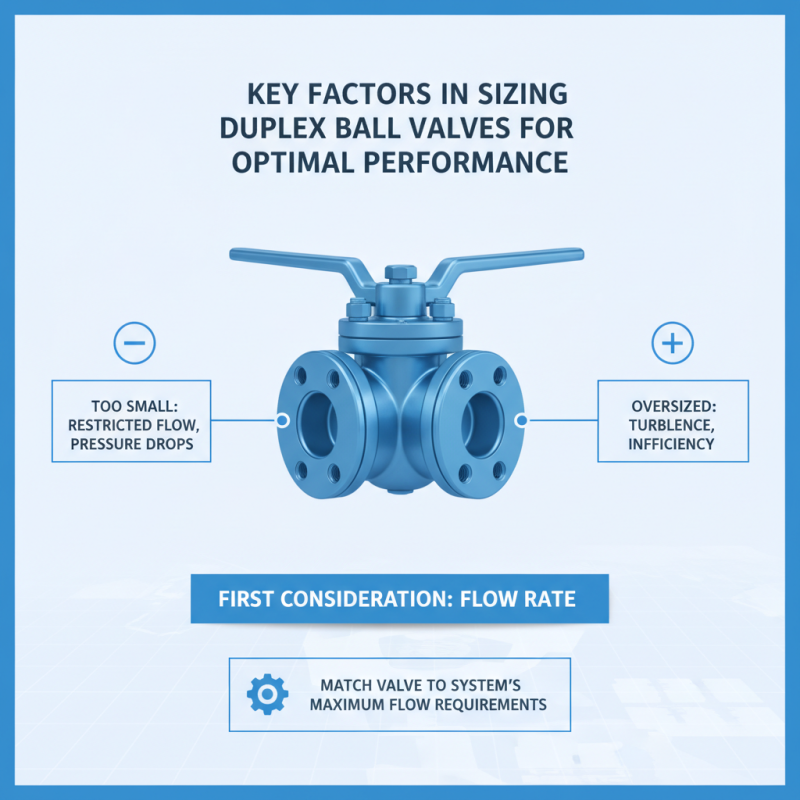
When sizing duplex ball valves, several factors come into play for optimal performance. The first consideration is flow rate. Ensure the valve can handle your system's maximum flow requirements. An oversized valve can lead to turbulence and inefficiency. Conversely, a valve that is too small may restrict flow, causing pressure drops.
Next, consider the pressure ratings. Choose a valve that can withstand the operating pressures of your system. This helps prevent failures and extends the lifespan of the valve. Additionally, factoring in the temperature range is vital. If the media being transported is particularly hot or cold, select a valve designed for those extremes.
Lastly, the type of media should influence your selection. Different materials react differently to various substances. Duplex stainless steel offers excellent corrosion resistance for many applications, but there might be circumstances demanding alternative materials. Regularly reviewing the conditions and needs of your system is worthwhile. An oversight in sizing can lead to costly repairs or replacements later on.
Assessing Maintenance Needs and Lifespan of Duplex Ball Valves
When selecting duplex ball valves, understanding maintenance needs is crucial. Duplex ball valves are known for their durability and resistance to corrosion. However, they require regular inspections to ensure optimal performance. Over time, wear and tear can lead to leaks or operational issues. Thus, it’s essential to establish a maintenance schedule that aligns with your operational demands.
In terms of lifespan, duplex ball valves can last many years with proper care. Their longevity is influenced by the environment they operate in. Extreme temperatures or aggressive media can accelerate deterioration. Sometimes, users overlook the importance of routine checks. Small issues can escalate if not addressed quickly. Consider using diagnostic tools to monitor valve conditions regularly. This proactive approach can save time and costs in the long run.
Proper installation also plays a role in lifespan. Even high-quality valves can fail if not fitted correctly. Make sure to involve professionals familiar with duplex ball valve systems. Their expertise can help avoid common pitfalls and enhance reliability. Always weigh the upfront costs of maintenance against potential risks and replacements. Balancing these factors will help ensure long-term success with duplex ball valves.
Comparing Cost and Quality: Choosing the Right Duplex Ball Valve
When selecting duplex ball valves, cost and quality are vital factors. According to a recent industry report from the Valve Manufacturers Association, the initial price is only part of the equation. Long-term reliability can significantly affect operational costs. A cheaper valve might save you money upfront but could lead to higher maintenance expenses.
Quality assurance is essential. Look for valves that meet ASTM standards. These materials ensure durability and resistance to corrosion. A study from the American Society of Mechanical Engineers shows that high-quality duplex stainless steel valves can reduce failure rates by as much as 30%. Don’t ignore certifications; they indicate a level of trust in the product.
Tip: Always check for manufacturers' test results. Validated performance data allows for informed decisions. Selecting a valve with a proven track record can minimize unforeseen issues. Evaluate warranty options, as they provide insight into the manufacturer’s confidence in their products. The right balance of cost and quality can lead to significant savings and improved operational efficiency in the long run.