How to Choose and Maintain a Double Seated Ball Valve for Optimal Performance?
Selecting the right valve can significantly impact system efficiency. The Double Seated Ball Valve stands out in applications requiring reliability. This type of valve provides optimal sealing and flow characteristics. According to the Global Valve Market Report 2020, the ball valve segment represents over 25% of the market share.
Maintenance is equally critical. A well-maintained Double Seated Ball Valve can reduce downtime by 30%. However, improper care can lead to leaks and performance issues. In many industries, overlooking valve maintenance costs companies millions each year.
Expert insights suggest regular inspections and timely replacements are key. The complexities of valve engineering demand a systematic approach to maintenance. Understanding the specific needs of your application will ensure longevity. Yet, many fail to consider the quality of materials used, influencing overall performance. Reflecting on these factors is essential for achieving optimal results.
Understanding the Basics of Double Seated Ball Valves
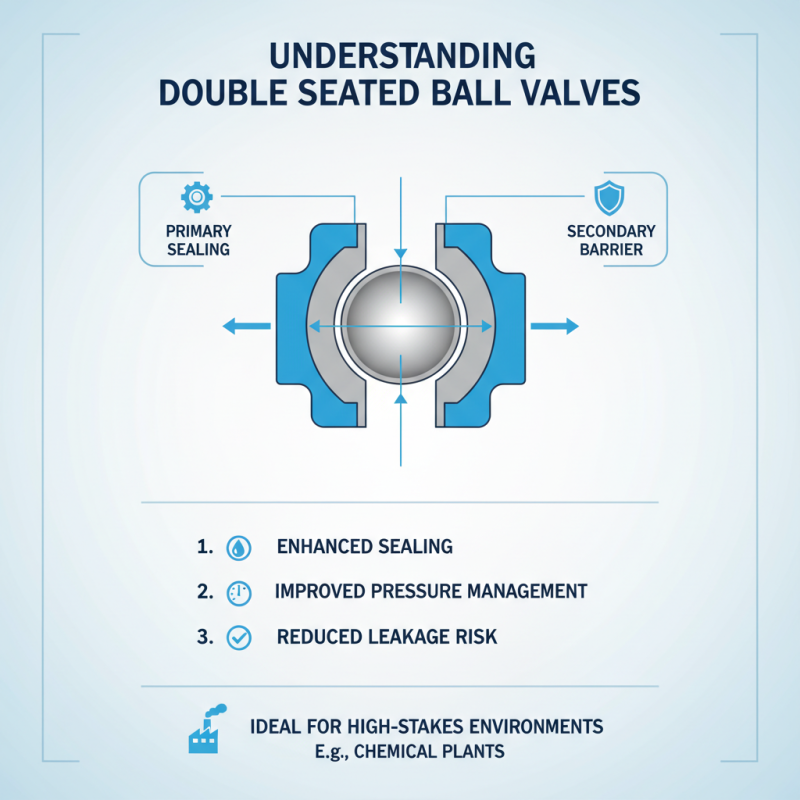
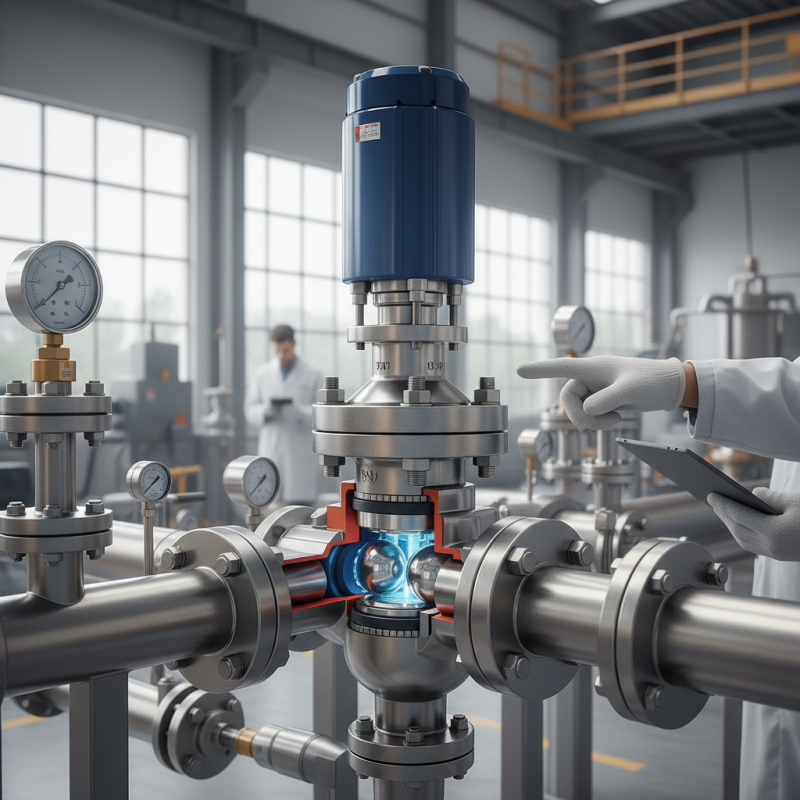
Double seated ball valves are crucial in many industrial applications. Their design allows for better sealing and pressure management. Understanding how they work can greatly improve system efficiency. The double seating creates a secondary barrier, reducing the risk of leakage. This feature is particularly important in high-stakes environments, such as chemical plants.
Choosing the right valve involves considering material compatibility and pressure ratings. Each application has unique requirements. A lack of attention to specifications can lead to failure. Many users overlook regular maintenance as well. A distorted seat or worn ball can compromise performance. It's essential to inspect these components periodically.
Properly maintaining a double seated ball valve means cleaning and replacing worn parts. Contaminants can affect operation. Ensure that valves are operating under the recommended conditions. Frequent monitoring can identify potential problems early. However, changes in pressure or temperature may not always be apparent. Adapting to these variations requires expertise and attention.
Factors to Consider When Choosing a Double Seated Ball Valve
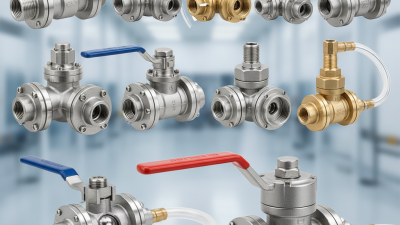
When choosing a double seated ball valve, several key factors come into play. One crucial aspect is the valve’s size. It must match the pipeline dimensions. Oversized or undersized valves can lead to leaks or inefficient flow. Additionally, the material construction of the valve matters. Materials like stainless steel or brass may provide better durability in specific environments. However, they may also come with higher costs.
The working pressure and temperature also influence your choice. Assess the operating conditions to ensure the valve will perform optimally. Attention to the seat design is vital too. Double seated designs are beneficial for minimizing leakage. Still, compatibility with the fluid being controlled is essential. Select a valve that offers reliable sealing for your application.
Regular maintenance is another area where reflection is important. While double seated ball valves are robust, neglect can lead to performance issues. Regular inspections can reveal corrosion or buildup that might affect functionality. Checking the seals regularly can prevent costly downtimes. Understanding these details helps improve performance. Proper selection and upkeep ensure your double seated ball valve operates effectively over time.
Factors Affecting the Performance of Double Seated Ball Valves
Routine Maintenance Procedures for Optimal Valve Performance
Routine maintenance is essential for the optimal performance of double-seated ball valves. Regular inspections help identify wear and tear. Check for leaks around the valve body. Ensure that the actuator and related components function smoothly. Small issues, if neglected, can become significant problems.
Lubrication of seals and stems is crucial. Use appropriate lubricants to reduce friction and prevent corrosion. Schedule maintenance checks at specific intervals, depending on valve usage. Consider environmental factors that may affect valve performance. Extreme temperatures or corrosive conditions can accelerate wear.
Obtain feedback from operators regarding valve performance during normal operations. They may notice subtleties that maintenance technicians overlook. Take notes on any unusual sounds or movements. Adjust maintenance schedules as needed to address these observations. Effective maintenance fosters reliability and longevity for double-seated ball valves.
Troubleshooting Common Issues with Double Seated Ball Valves
Double seated ball valves are crucial in many industrial applications. However, like any equipment, they can encounter issues that affect performance. Common problems include leakage, sticking, and excessive wear. Identifying these issues early can prevent costly downtime.
Leakage often results from worn seals or improper installation. Inspect the valve regularly to ensure seals are intact and functioning properly. Sticking can occur due to debris or corrosion. Regular cleaning and maintenance help mitigate this issue. Always ensure the valve is lubricated appropriately to support smooth operation.
Excessive wear usually indicates that the valve is underperforming due to pressure or temperature issues. Checking operating parameters can reveal if the valve is operating within its designed limits. If abnormalities are found, reconsider the application or replace the valve.
Regular monitoring and maintenance can ensure longevity and efficiency of double seated ball valves.