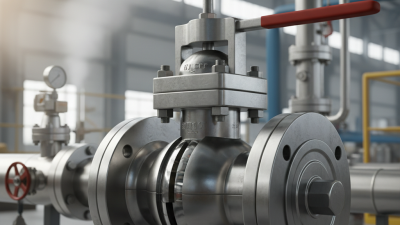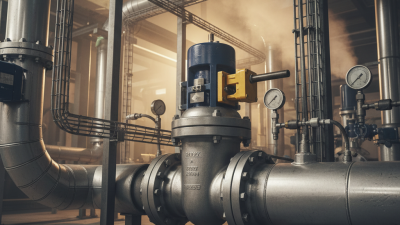
Choosing a Forged Steel Ball Valve is not just a matter of matching pipe size. The right choice depends on operating pressure, temperature, fluid properties, connection type, and how often the valve will cycle. A compact valve beside a pump may face vibration and frequent operation, while one in a hot process line may need careful material and seat selection. Small details matter.
Forged construction can offer a strong, compact body, but the word “forged” alone does not guarantee suitability. Buyers should review the pressure and temperature ratings, body and trim materials, seat design, applicable industry specifications, and the manufacturer’s inspection records. Ask how the valve was tested and whether traceable documentation is available. Then compare those details with the actual service conditions, not only the purchase description. That is worth checking.
This guide explains how to assess these points and ask useful questions before ordering. It also considers end connections, operation method, maintenance access, and supplier support. A valve that works well on paper may still be awkward to install or operate in a cramped space. Some choices involve trade-offs, and there is no universal best configuration. Confirm critical requirements with qualified engineering personnel and the valve manufacturer. I would not treat a general checklist as a substitute for reviewing the project specification; that distinction is easy to overlook. The goal is a clear, evidence-based selection that fits the system and can be maintained over time.

A forged steel ball valve should be selected for the actual duty, not just the line size. Record the fluid, pressure range, temperature extremes, and expected operating cycles. Note whether the medium carries grit, corrodes steel, or can leave deposits. A clean-water valve may not suit hot steam or abrasive slurry.
Check the valve’s pressure-temperature rating against the applicable ASME B16.34 requirements and the supplier’s technical data. Confirm body and trim materials, seat compatibility, flow direction, and required shutoff performance. For gas service, leakage control deserves special attention: the IEA’s Global Methane Tracker 2024 estimates that fossil fuel operations emitted about 120 million tonnes of methane in 2023. That figure is sector-wide, not valve-specific, but it shows why sealing performance matters. The operating profile can be messy; occasional peaks are easy to overlook.
Tips: Write down normal and worst-case conditions before requesting a quote. Include startup, shutdown, and pressure surges. Ask how the proposed seat material performs at your actual temperature and cycle frequency. Don’t assume “forged steel” alone confirms suitability.
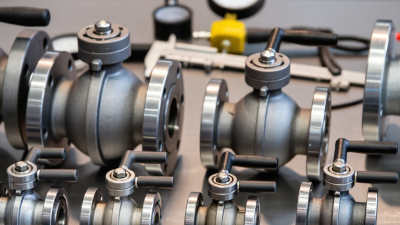
A forged steel ball valve starts with the service conditions, not a material label. Match the body grade to operating pressure, temperature, and fluid chemistry. Carbon steel can suit clean, non-corrosive service, while stainless steel may be appropriate where moisture or chemicals raise corrosion concerns. Check the valve’s pressure-temperature rating; the body material alone does not confirm suitability. A pipe carrying hot condensate, for example, needs a different review from a cool water line.
Tips: Check the ball, stem, and seat together. Trim materials should resist corrosion, wear, and galling in the actual fluid. PTFE seats offer low friction in many services, but temperature limits matter. Reinforced polymers or metal seats may be considered for more demanding conditions. Confirm compatibility with additives and cleaning fluids, too. Small details count.
Seal selection deserves a close look. A seal that works during normal operation may perform differently during temperature swings or frequent cycling. Ask for the material’s service limits and the valve’s test data, then compare them with real operating conditions. A quick chart can help, but it can also hide important exceptions. Be cautious when service data is incomplete.
| Service Conditions | Suggested Forged Body Material | Ball and Stem (Trim) | Seat Material | Stem and Body Seals | Selection Considerations |
|---|---|---|---|---|---|
| General-purpose water, oil, and non-corrosive gas | ASTM A105 carbon steel | Carbon steel or stainless-steel ball and stem, selected to suit the fluid and specified corrosion allowance | PTFE for broad chemical compatibility and low friction; reinforced PTFE may be considered where greater seat stiffness is needed | PTFE for compatible, moderate-temperature service; flexible graphite may be used for higher-temperature packing or gasket applications when the valve design permits | A common economical choice for many industrial services. Verify the pressure–temperature rating, corrosion allowance, and fluid compatibility. |
| Low-temperature hydrocarbon or gas service | ASTM A350 LF2, with the required impact-test and design-temperature requirements specified | Typically stainless-steel trim, such as 316, subject to fluid compatibility and valve design | PTFE or a qualified low-temperature polymer seat; confirm sealing performance at the minimum operating temperature | Low-temperature-qualified elastomer or PTFE-based seals, as appropriate for the fluid and design | Specify the minimum design metal temperature and required impact testing. Do not assume a material grade alone guarantees low-temperature suitability. |
| Corrosive aqueous service, including many chloride-bearing environments | ASTM A182 F316 or F316L stainless steel, where corrosion assessment supports its use | 316 stainless-steel ball and stem; consider a more resistant alloy if the fluid, chloride level, temperature, or contaminants require it | PTFE or reinforced PTFE, subject to the chemical and temperature limits of the selected formulation | PTFE-based seals or a fluid-compatible elastomer selected for the actual process conditions | 316 stainless steel is not resistant to every chloride environment and may be susceptible to pitting or crevice corrosion. Confirm material suitability against the process chemistry. |
| Higher-temperature service where soft-seat limits are exceeded | ASTM A105 or an appropriate alloy-steel forging, selected for design temperature and pressure | Heat-resistant stainless or alloy trim specified for the temperature, oxidation environment, and fluid | PEEK or a metal seat, depending on temperature, leakage requirements, and valve construction | Flexible graphite may suit high-temperature packing or gasket duties; elastomer seals are generally unsuitable above their specific temperature limits | Check the complete valve’s temperature rating, thermal expansion, seat loading, and fire-safe requirements. Actual limits depend on construction and manufacturer qualification. |
| Hydrocarbon service requiring fire-safe design | ASTM A105 or a suitable stainless-steel forging, based on corrosion and design conditions | Metal ball and stem materials selected for the service; anti-static and blowout-resistant stem features may be required by the specification | Soft seat with a qualified secondary metal-to-metal sealing arrangement, where provided by the valve design | Fire-resistant graphite packing or gaskets may be used as part of a qualified design; polymer seals may be present as primary seals | Specify and verify fire-safe testing to the applicable standard, such as API 607 or API 6FA. Material selection alone does not establish fire-safe performance. |
| Sour service containing hydrogen sulfide (H₂S) | Carbon-steel or stainless-steel forging only when the selected grade and condition meet the project’s sour-service requirements | Trim hardness, heat treatment, and material condition must meet the applicable sour-service specification | PTFE-based or other chemically compatible seat material, checked for pressure, temperature, and fluid exposure | Seal materials selected for both H₂S exposure and the other process constituents | Apply the relevant requirements of NACE MR0175/ISO 15156 or NACE MR0103, as applicable. Confirm hardness limits and material qualification for the actual environment. |
| Steam or hot utility service | ASTM A105 for suitable temperature ranges, or an alloy-steel forging where required by the design conditions | Stainless or alloy trim selected for temperature, oxidation, and erosion conditions | Metal seat or temperature-qualified polymer seat, depending on the steam conditions and leakage class required | Flexible graphite is commonly used for high-temperature packing and gasket applications; verify compatibility with the valve design | Use the applicable pressure–temperature rating and confirm seat, packing, and thermal-cycle performance for the specified steam conditions. |
Important: These are starting points, not universal prescriptions. Final material selection should be checked against the fluid composition, concentration, contaminants, pressure, minimum and maximum temperatures, corrosion allowance, applicable codes, and required testing. Seat and seal temperature limits vary by formulation and valve design.
A forged steel ball valve should be selected around the piping conditions, not just its nominal size. Match the pressure class to the system’s maximum working pressure and temperature. Class ratings change with temperature, so a pressure number alone can mislead. Check the valve’s pressure-temperature data and confirm the body material suits the service fluid.
Bore size affects flow. A full-bore valve keeps the opening close to the pipe’s inside diameter, helping reduce restriction and allowing easier line cleaning. A reduced-bore design may be more compact, but it can add pressure loss. Small details matter. Compare the stated bore with the actual pipe dimensions, especially when flow capacity is tight. It is tempting to choose by pipe size alone; that shortcut can miss a practical mismatch.
End connections must fit the piping plan and installation method. Threaded ends can suit smaller lines where removal is useful. Socket-weld ends provide a compact welded joint, while butt-weld ends need matching pipe schedules and careful fit-up. Flanged ends can simplify inspection or replacement, but require compatible facing and bolt patterns. Do not guess. Confirm connection dimensions, pressure class, materials, and temperature limits on the valve drawing or datasheet before ordering. A choice that looks right in a catalog may still create avoidable work at the pipe rack.
For a forged steel ball valve, match the operating method to the valve’s size, pressure, and use frequency. A lever gives direct feedback and suits many small valves, but it needs clear access and enough room to swing. Gear operation reduces effort on larger valves. For frequent or remote operation, pneumatic or electric actuation may be more practical. Check the required fail position and available power before specifying an actuator. A closed valve is not automatically a safe system.
Safety details matter. Specify lockable isolation where accidental movement could expose workers to pressure or hot fluid. For fire-risk service, ask for fire-test qualification to API 607 or ISO 10497, as applicable. Confirm pressure-temperature ratings, stem retention, and cavity pressure-relief needs against the service conditions. NACE International’s 2016 IMPACT study estimated corrosion costs at US$2.5 trillion globally, or 3.4% of global GDP. That figure is not valve-specific, but it underscores why material compatibility and inspection planning deserve attention.
Tips: Test the actuator’s full travel before installation. Check that the handwheel or lever remains reachable with gloves on. Small detail, often missed. Revisit the choice if operating conditions change.
When choosing a forged steel ball valve, assess evidence behind its quality claims, not just a polished datasheet. Check material certificates and match the heat number stamped on the valve to the mill test report. Review forging records, dimensional inspection, and pressure-test results. API 598 and ISO 5208 provide recognized methods for valve inspection and pressure testing. Ask which standard and acceptance criteria the supplier actually used.
Look closely at pressure and temperature ratings, material grade, and seat construction for your service conditions. A certificate alone cannot confirm that a valve suits hot, abrasive, or corrosive media. The IEA’s Global Methane Tracker 2024 estimates that fossil fuel operations emitted about 120 million tonnes of methane in 2023. That sector-wide figure is not a valve-specific leakage rate, but it underlines why verified sealing performance matters. Request documented seat and shell test results, and clarify the test medium and pressure.
Maintenance needs are easy to overlook. Check whether seats, seals, and stem packing can be replaced, and whether the valve can be serviced in place. Ask for recommended inspection intervals and available spare-part specifications. A short cycle test during commissioning can reveal stiff operation or packing leaks. Paperwork can still mislead. I have seen buyers focus on certificates while missing whether the valve can be maintained safely in its actual installation. Compare the service instructions with your operating conditions before approval.
ASME pressure-class ratings for ASTM A105 steel at 100°F
How to use this chart: Confirm the valve’s pressure class against the design pressure and temperature of your service. Ratings shown are ASME B16.34 pressure-temperature ratings for ASTM A105 (material Group 1.1) at 100°F; allowable pressure changes with temperature and material.
Before purchase: Review material traceability, required pressure-test documentation (such as API 598 where applicable), and the manufacturer’s maintenance instructions. Check seat and seal compatibility, operating cycles, and service conditions when planning maintenance.