How to Choose the Right Split Body Ball Valve for Your Needs?
Choosing the right Split Body Ball Valve can significantly impact your system's efficiency. Different applications require various specifications, making this decision critical. Understanding how these valves operate is essential for proper usage.
Split Body Ball Valves offer advantages in reliability and ease of maintenance. The design allows easy access for repairs. This feature is beneficial in challenging environments. Yet, one must consider the specific needs of their application. Not all Split Body Ball Valves are created equal. Some may not withstand high pressure, while others might face corrosion issues.
It's crucial to evaluate the materials and size before making a purchase. Expertise in valve specifications will guide your decision. However, some may overlook the importance of proper installation. Even the best Split Body Ball Valve can fail if not correctly fitted. Taking the time to research can prevent costly mistakes in the future.
Understanding Split Body Ball Valves: A Basic Overview
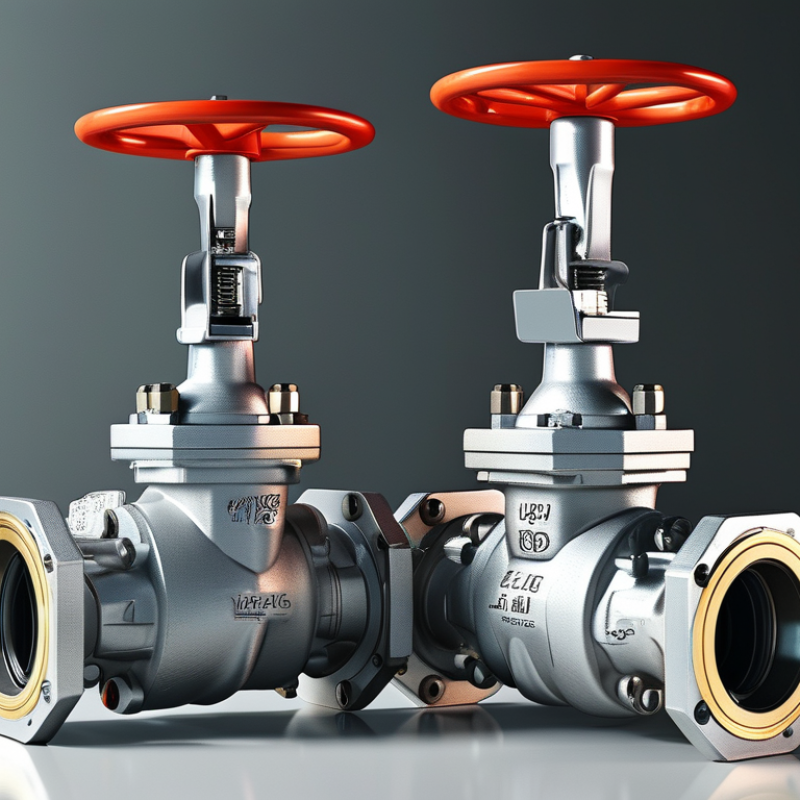
Split body ball valves are a common choice in various industries due to their robust design and reliability. They consist of two main pieces that allow for easier maintenance and repair. This feature is particularly beneficial when working with large systems, as it minimizes downtime during service. Understanding how these valves function helps in selecting the right one for your specific applications.
These valves are available in various materials and sizes, making them versatile. They often handle different pressures and temperatures, so knowing your requirements is essential. Regular inspection is vital for maintaining valve performance. Look for signs of wear and tear to ensure a long lifespan. There are many factors to consider, and it can be overwhelming. A small oversight in material choice might lead to significant issues down the line.
Choosing the right valve also means analyzing its compatibility with your system. Fluids’ chemical properties and flow rates play a big role in this decision. Seeking expert advice can help clarify uncertainties. It’s an investment in quality. Remember that not every valve suits every situation. Being informed is critical to getting the best value and efficiency from your choice.
Key Factors to Consider When Choosing a Split Body Ball Valve
When selecting a split body ball valve, several key factors influence your final choice. The first aspect to consider is the valve's material. Common materials include stainless steel and carbon steel, each suitable for different environments. If your application involves corrosive substances, opt for corrosion-resistant materials. This choice significantly impacts valve longevity and performance.
Consider the valve size and pressure ratings as well. The right size ensures optimal flow rates, while accurate pressure ratings prevent leaks and failure. It’s essential to check specifications suitable for your system's requirements. Miscalculating these factors can lead to inefficient operation and potential hazards.
Another critical element is the seal type. Different seals provide varying levels of leak prevention and durability. Assessing the expected service conditions helps identify the appropriate seal for your needs. Remember, the wrong choice may lead to costly repairs and downtime. Take time to research and consider these aspects carefully.
Material Options for Split Body Ball Valves and Their Applications
When selecting a split body ball valve, material choice is crucial. Various materials are suitable for different applications, impacting performance and durability. Common materials include stainless steel, brass, and plastic. Each has unique advantages and disadvantages.
Stainless steel offers excellent corrosion resistance, ideal for harsh environments. It is durable and can withstand high pressures. However, it may be more expensive than alternatives.
Brass is often used for its good machinability and is suitable for lower pressure systems. While affordable, it can corrode in certain fluids.
Plastic valves are lightweight and resistant to chemicals. Yet, their pressure limits are lower, making them less versatile.
Tips for choosing materials: Consider the fluid's temperature and chemical properties. Is it abrasive? Will it corrode? Assess the pressure requirements—this affects material performance. Always think long-term about maintenance. Choosing the wrong material may lead to leaks or failures, increasing costs over time. Prioritize reliability in your selection. A thoughtful decision ensures optimal performance and longevity.
Identifying the Correct Size and Pressure Ratings for Your Valve
Selecting the right split body ball valve involves understanding
size and pressure ratings.
The valve must fit your pipeline dimensions. A valve that's too small will restrict flow. Conversely, one
that's too large may lead to leakage or improper sealing. Precise measurement is crucial.
Pressure ratings are equally important. Each valve comes with
a specific pressure limit. It’s essential to match this with your system’s operating conditions. High-pressure systems
require valves that can withstand intense forces. A mismatch can lead to catastrophic failures or unsafe conditions.
Inspecting the specifications closely can help you make informed choices. Delta in performance can occur even with slight mismatches.
Test your system’s needs against the available options. When in doubt, consult with an expert.
They can guide you through the complexities of choosing the right valve for your application.
Every detail matters.
Maintenance and Installation Tips for Split Body Ball Valves
When selecting a split body ball valve, proper maintenance and installation are crucial for optimal performance. Regular inspection can prevent issues that lead to costly downtime. It's recommended to check seals and seats frequently for leaks. According to industry studies, inadequate maintenance can lead to a 30% increase in failure rates. Simple routines can vastly improve durability.
Installation requires a keen understanding of your system's needs. The valve should fit precisely into the piping configuration. Be mindful of torque specifications when tightening connections. An improperly installed valve may cause pressure drops or leaks. Studies show that 20% of valve failures stem from installation errors. Always refer to technical guidelines specific to your application.
Consider environmental factors as well. High temperatures or corrosive substances can affect valve longevity. A detailed risk assessment often reveals hidden vulnerabilities. Regular training on installation protocols is beneficial. Human error remains a significant factor in valve performance issues, highlighting the need for ongoing education.
Split Body Ball Valve Types and Their Applications