How to Choose the Right Double Seated Ball Valve for Your Application?
Choosing the right Double Seated Ball Valve can significantly impact your operational efficiency. The global ball valve market is projected to reach $15 billion by 2026, driven by advancements in manufacturing technology and increasing demand across various industries. Double seated ball valves offer unique benefits, particularly in high-pressure applications, where tight seals and reliable performance are critical.
Key characteristics, such as the design and material of the valve, play a crucial role in decision-making. In recent reports, the isolation efficiency of double seated ball valves has been highlighted as a major benefit. Yet, understanding the required specifications is often overlooked. It's imperative to evaluate factors like pressure rating and temperature tolerance before making a selection. This process can be complex, revealing possible gaps in knowledge.
While advancements in AI, as seen in the 2026 Canton Fair, enhance supplier selection processes, many still lack the required insight into valve choices. Implementing smart technologies can streamline operations but does not eliminate the need for informed decision-making. Therefore, reflection on these aspects is necessary to ensure optimal functionality and safety when selecting your Double Seated Ball Valve.
Understanding Double Seated Ball Valves: Definition and Functionality
Double seated ball valves are essential components in various industrial applications. They consist of two seats, allowing for tighter sealing. This design is beneficial in systems requiring minimal leakage. The dual seating arrangement helps distribute the pressure evenly, offering better performance. Such valves are commonly used in high-pressure and high-temperature environments.
Understanding their functionality is crucial. Double seated ball valves operate by rotating a ball with a hole through its center. When aligned with the flow path, liquid or gas passes through easily. When turned, the flow is shut off completely. This simple mechanism makes them highly effective. However, improper selection can lead to issues. Choosing the wrong valve size or type may result in leaks or failures. Considering the specific needs of your application is vital. Assess factors like pressure ratings, fluid type, and temperature limits to ensure efficiency.
How to Choose the Right Double Seated Ball Valve for Your Application?
| Dimension |
Standard Size |
Pressure Rating (PSI) |
Temperature Range (°F) |
Material |
Application |
| 1/2 inch |
1/2 |
150 |
-20 to 250 |
Stainless Steel |
Water Supply |
| 3/4 inch |
3/4 |
300 |
-20 to 300 |
Carbon Steel |
Natural Gas |
| 1 inch |
1 |
600 |
0 to 400 |
Brass |
Oil & Gas |
| 1 1/2 inch |
1 1/2 |
150 |
-20 to 250 |
PVC |
Chemical Transfer |
| 2 inch |
2 |
300 |
0 to 200 |
Ductile Iron |
HVAC Systems |
Key Factors for Selecting the Right Double Seated Ball Valve
Choosing the right double seated ball valve is crucial for efficient operational performance. Several key factors play a role in the selection process. First, the pressure and temperature ratings are vital. According to a recent industry report, valves operating under high pressure must withstand 300 PSI or more. Ensure that the valve material can handle the temperature ranges of your application.
Next, consider the fluid type. Corrosive fluids require specific materials to prevent damage. A study showed that using inappropriate materials can reduce the lifespan of a valve by up to 50%. Additionally, the flow characteristics matter. Double seated designs offer advantages in terms of sealing and throttling. However, they may not be suitable for every application due to potential pitfalls in high-viscosity fluids.
Lastly, ponder the installation and maintenance aspects. Some double seated ball valves require more effort during installation. This can lead to increased downtime. An efficient valve should simplify these processes. If installation becomes too complex, it may not be the best choice. Aim for a balance between efficiency and maintainability to ensure optimal performance.
Material Selection: Matching Valve Construction to Fluid Characteristics
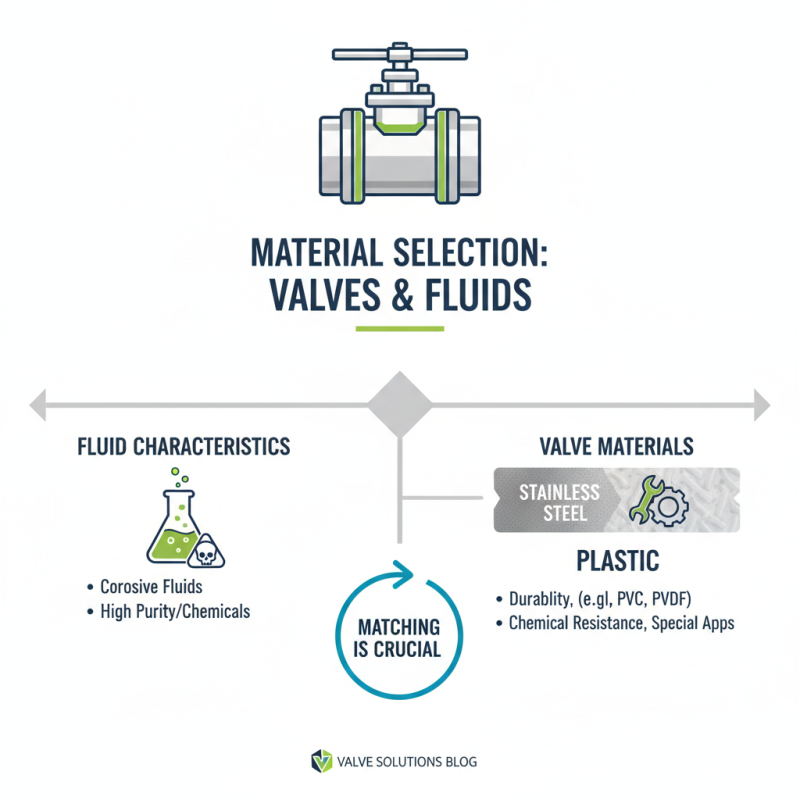
When selecting a double seated ball valve, the choice of materials is crucial. The valve must withstand the specific characteristics of the fluid it will handle. For example, corrosive fluids require materials that can resist degradation. Stainless steel is often a go-to choice for its durability. However, in some cases, plastic valves may offer better resistance to certain chemicals.
Tips: Always consider temperature and pressure ratings. These factors significantly affect the performance of the valve.
Another consideration is the potential for erosion. For fluids with high solids content, valves made from materials like tungsten carbide can extend service life. It's vital to evaluate the compatibility of the valve with the fluid to avoid leaks or failures.
Tips: Conduct a thorough analysis of the fluid properties. This helps in making informed decisions about valve material. An overlooked detail could lead to costly downtime.
Choosing the right material involves balancing cost, durability, and the specific demands of the application. Ensuring a proper match to the fluid characteristics is key to maintaining system integrity.
Pressure and Temperature Ratings: Ensuring Operational Safety
When selecting a double-seated ball valve, understanding pressure and temperature ratings is crucial. These valves must operate safely under specific conditions. Consider the maximum pressure your system will encounter. A valve that can’t handle peak pressure can lead to failures. Such failures are often costly and dangerous. It's important to consult technical specifications provided by manufacturers.
Temperature ratings are equally important. Different materials respond differently to heat and cold. For instance, metal valves can warp under extreme temperatures. This may compromise their performance. Knowing the operating temperatures can prevent future issues. Be mindful that ambient temperatures may vary in real-world applications. Real-life scenarios often exceed standard ratings, which can lead to performance issues. Always choose a valve that exceeds your expected temperature range for added safety.
Regularly review the operational conditions. Sometimes, changes in the environment can alter pressure and temperature ratings. A valve suitable today may not fit tomorrow's needs. This reflection can lead to better choices for future applications. Always prioritize safety and reliability in your selection process.
Application-Specific Considerations for Optimal Performance in Various Industries
Choosing the right double seated ball valve requires a keen understanding of application-specific needs. Different industries have unique demands. For instance, in the oil and gas sector, valves must withstand high pressures and corrosive substances. Material selection is crucial. Stainless steel or specialized alloys may be necessary. In food processing, sanitary designs are essential to prevent contamination.
Design factors also play a significant role. Consideration of flow rates and pressure drops is vital. An incorrectly sized valve can lead to operational inefficiencies. Maintenance requirements vary. Some designs may need regular checks, while others can be nearly maintenance-free. It's important to reflect on operational demands and environmental conditions.
The versatility of double seated ball valves offers flexibility across applications. However, they also bring challenges. Misapplication can lead to serious issues. Assessing the specific operation, including temperature variations and media types, is crucial. Detailed attention to these aspects will ensure optimal performance and longevity.
Performance Comparison of Double Seated Ball Valves in Various Industries