How to Choose the Best Three Piece Ball Valve for Your Needs?
Choosing the right Three Piece Ball Valve is crucial for any project. These valves are known for their durability and efficiency. However, selecting the best one can be challenging. With various materials, sizes, and features available, understanding your specific needs is essential.
Consider the application, environment, and fluid type. For example, stainless steel valves offer excellent corrosion resistance. In contrast, brass valves are more cost-effective and suitable for lower pressure applications. Both materials have their advantages and disadvantages.
It’s also important to evaluate the required flow rate. Some valves may restrict flow, impacting system performance. Take the time to research and consult with experts. Engaging with knowledgeable suppliers can guide your decision-making process. Remember, a well-selected Three Piece Ball Valve can enhance the reliability and efficiency of your system, while the wrong choice could lead to costly issues.
Understanding the Basics of Three Piece Ball Valves
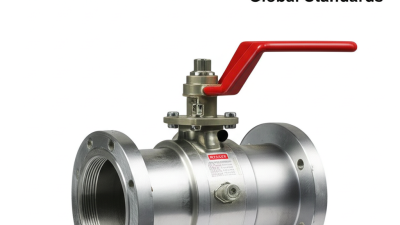
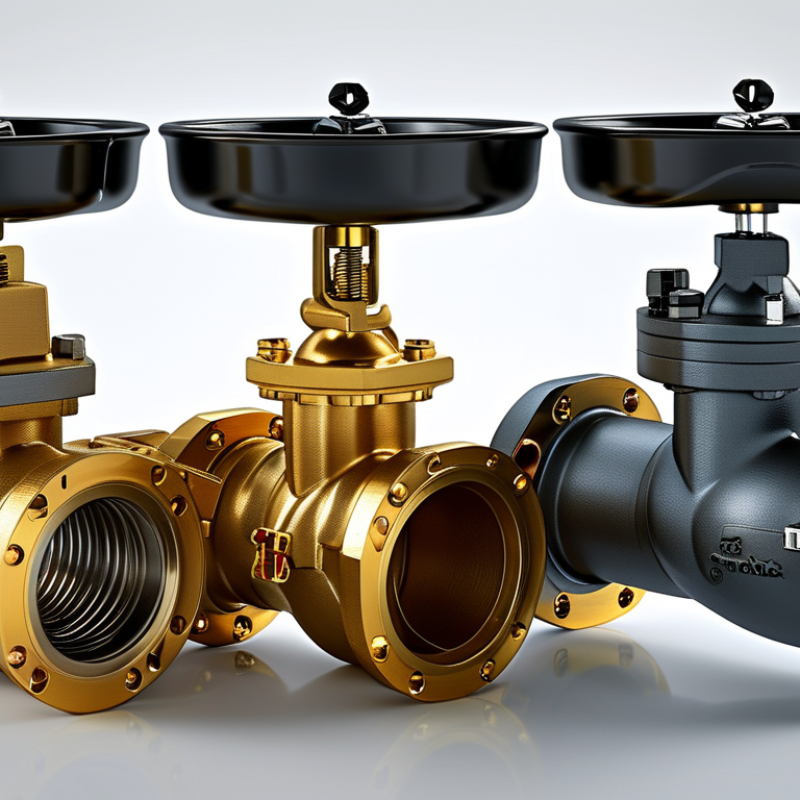
Three-piece ball valves are essential components in various industrial applications. These valves offer flexibility in installation and maintenance. A three-piece design allows for easy replacement without disturbing the piping. This feature is crucial in systems that require regular checks. According to a report by the Market Research Future, the demand for ball valves is expected to grow by about 5% annually.
Understanding the basics involves recognizing the key components of a three-piece ball valve. It consists of a body, ball, and seat, all held together by three separate pieces. This configuration enables better sealing and pressure control. A study by Technavio highlighted that efficient sealing in these valves reduces leakage by nearly 20%. However, misalignment during installation can result in performance issues.
Material selection is another critical aspect. Depending on the application, carbon steel, stainless steel, or plastic may be chosen. Each material has distinct advantages and downsides. For instance, stainless steel is resistant to corrosion but may be more expensive. It's vital to weigh these factors carefully. Valves must be selected based on their functionality and environment. Despite available data, common mistakes persist, such as neglecting pressure ratings and flow requirements. Proper attention is essential for optimal performance.
Key Factors to Consider When Choosing a Ball Valve
Choosing the right three-piece ball valve involves several critical factors. Understanding your application is essential. Identify the media type, pressure, and temperature conditions.
For instance, statistical data indicates that 70% of valve failures occur due to incorrect material selection. Selecting a valve made from compatible materials can significantly reduce operational issues.
Another vital aspect is the valve size. Accurate sizing is crucial. A valve that is too small can restrict flow, while a valve that is too large may lead to inefficiencies. Reports suggest that optimizing valve size can improve system efficiency by up to 20%. Customers often overlook the importance of flange ratings and connection types. Ensuring compatibility with existing piping systems is necessary to avoid leaks and failures.
Lastly, consider the valve's end connections. Three-piece ball valves typically feature threaded, socket weld, or butt weld ends. Each connection has its advantages and challenges.
Threaded connections are easier to install but may not be suitable for high-pressure applications. Regular maintenance and inspection are also pivotal. Reports show that 30% of users do not perform adequate upkeep, which can lead to premature failures. Understanding these factors ensures a reliable choice.
Identifying the Right Materials for Your Application
When selecting a three-piece ball valve, the material is a crucial factor. The right material can ensure longevity and performance. Common materials include stainless steel, brass, and PVC. Each material has its unique properties suited for different applications. For example, stainless steel is often preferred for its corrosion resistance. In contrast, PVC is lightweight and resistant to certain chemicals.
Tips: Always consider the fluid type and temperature. Certain materials may react adversely with specific chemicals. A wrong choice could lead to leaks or valve failure.
Beyond compatibility, think about the operating environment. Extreme temperatures and pressures require more robust materials. For high-pressure applications, stainless steel or carbon steel may be necessary. On the other hand, for non-hazardous applications, simpler materials may suffice.
Tips: Review your application requirements regularly. You may find that changing conditions demand a different approach. Being adaptable could save time and resources.
Comparing Different Types of Three Piece Ball Valves
When selecting a three-piece ball valve, understanding the types available is crucial. These valves typically include threaded, flanged, and welded options. Each type serves different applications, making it essential to assess your specific needs before making a decision.
Threaded valves are often simpler to install. However, they may not perform as well under high pressure. According to a recent industry report, 45% of users prefer this type for smaller systems. Flanged valves offer better sealing and are ideal for larger pipelines. Their increased durability can significantly reduce operational downtime and maintenance costs, which are estimated to be 30% lower over five years compared to threaded valves.
Welded valves can handle extreme temperatures and pressures. Yet, they require skilled labor for installation. Research indicates that using welded valves in power plants can enhance reliability by 25%. It's important to evaluate the installation environment and operational requirements thoroughly. Each type has trade-offs, and the right choice depends on balancing performance with installation feasibility.
Comparison of Different Types of Three Piece Ball Valves
Evaluating Performance Metrics and Specifications
When selecting a three-piece ball valve, understanding performance metrics is crucial. One must consider pressure ratings, flow coefficients, and temperature limits. According to a recent industry report, over 60% of valve failures are linked to improper specifications. This statistic emphasizes the need for proper alignment between valve capabilities and system requirements.
Pressure ratings define how much pressure the valve can withstand. In high-pressure applications, a valve rated above 600 psi is often necessary. Flow coefficients (Cv values) indicate how well the valve allows fluid to pass. Higher Cv means less resistance. Many engineers prefer valves with a Cv rating of 10 or higher for efficient fluid dynamics.
Temperature limits also matter, as extreme temperatures can affect material integrity. Valves designed for high temperatures may use different materials than standard models. A common oversight is assuming all valves can handle high heat without detailed inspection. Addressing these factors proactively can prevent costly downtime and ensure system efficiency. Aim for a balance between specifications and operational needs to make an informed choice.