How to Choose the Best High Temperature Ball Valve for Your Needs?
Selecting the right High Temperature Ball Valve is crucial for efficient industrial operations. Expert Jane Doe, a leading engineer in fluid dynamics, emphasizes, “Understanding your specific application is key to finding the best valve.” High temperature environments pose unique challenges. Therefore, choosing the right valve ensures safety and functionality.
High Temperature Ball Valves come in various materials and designs. Each option serves different purposes based on the conditions of temperature and pressure. Many industries, such as oil and gas, require valves that withstand extreme environments. However, not every valve can meet these demands effectively.
It’s essential to analyze your requirements carefully. Improper selection can lead to failures over time. Consider factors such as media types, pressure ratings, and temperature limits. A well-informed choice not only enhances performance but also improves reliability. Remember, addressing all conditions is necessary to prevent costly issues down the line.
Understanding High Temperature Ball Valves and Their Applications
High temperature ball valves are crucial in various industrial applications, including oil refineries and chemical processing. These valves can operate at temperatures exceeding 400°F (204°C). According to a recent industry report, about 25% of failures in high-temperature systems are attributed to valve malfunctions. Understanding their materials and design is essential for reliable performance.
These valves are typically made from robust materials like stainless steel and special alloys. Their construction helps withstand extreme temperatures and pressures. According to experts, using the right valve can improve system efficiency by 30%. However, selecting the wrong type can lead to catastrophic failures, causing costly downtimes. The need for proper validation tests, such as pressure and temperature ratings, is a critical step often overlooked.
In applications like steam systems, the dynamic properties of ball valves can significantly impact flow control. They provide quick operation but require precise installation and regular maintenance. A poorly fitted valve can lead to leakage, while an overly tight fit can hinder operation. It's important to balance performance and longevity when choosing high-temperature ball valves. Consider all operational parameters before making a decision.
Key Factors to Consider When Selecting High Temperature Ball Valves
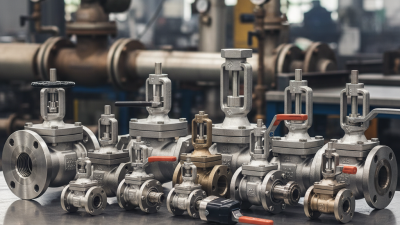
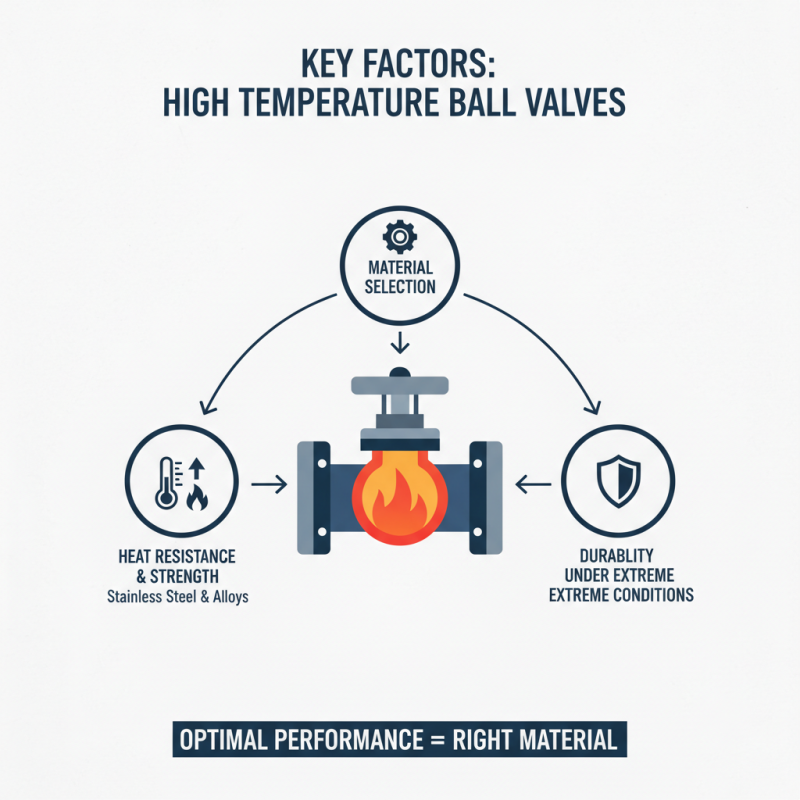
When selecting high temperature ball valves, several key factors must be evaluated. First, you should consider the material. High-quality materials ensure durability under extreme conditions. Stainless steel and various alloys are often preferable due to their heat resistance and strength. Each material has unique properties, which affect valve performance.
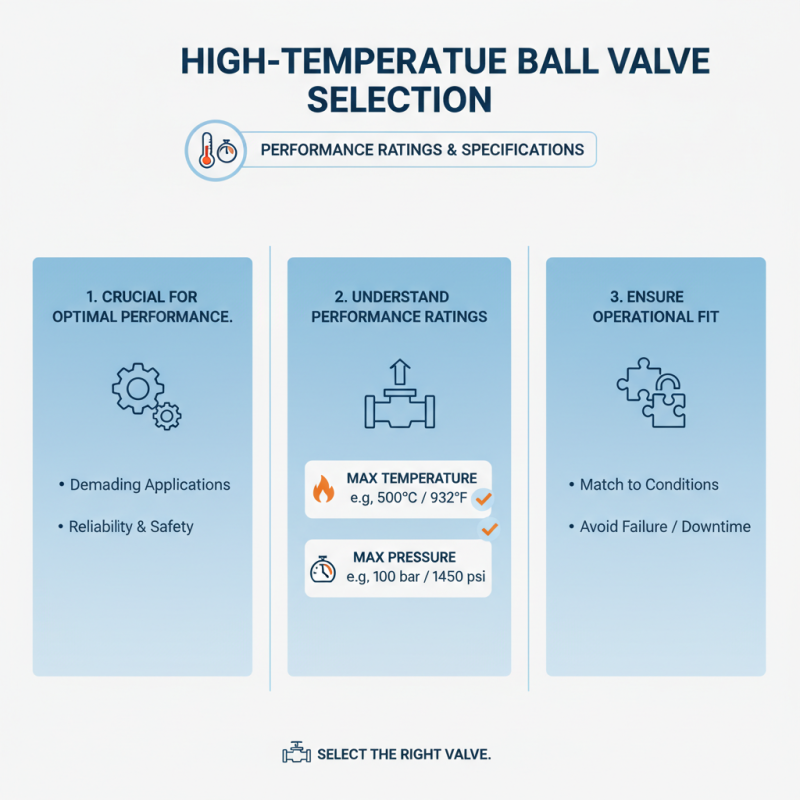
Another crucial factor is the pressure rating. High temperature ball valves must withstand the pressures in your specific application. A mismatch here can lead to failures. Test pressures should align with operational requirements. It’s wise to check industry standards for guidance, but also reflect on your specific needs.
Tips: Always review design specifications. Ensure the valve seals are designed for high temperatures. Inspect certifications to verify reliability. Lastly, consult with professionals who understand your application. Their insight can help avoid common pitfalls.
Material Selection for High Temperature Ball Valves
Choosing the right material for high-temperature ball valves is crucial. Factors such as temperature resistance, pressure ratings, and corrosion resistance must be considered. Most common materials include stainless steel, carbon steel, and special alloys. According to industry reports, stainless steel provides excellent resistance to high temperatures and oxidation, making it a popular choice for many applications.
However, determining the best material can be challenging. For example, while stainless steel is durable, it may not perform well in highly corrosive environments. In such cases, special alloys might be necessary. Materials like Inconel or Monel can withstand extreme conditions, but they come at a higher cost. Evaluating the specific requirements of your application helps in making an informed choice.
Additionally, the valve's design and sealing mechanisms contribute to its overall performance. High-temperature applications often require enhanced sealing materials like PTFE or RPTFE. These materials tolerate higher temperatures while ensuring a tight seal. Choosing the right combination can prevent leaks and improve operational efficiency. It's essential to consider both performance and long-term reliability when making decisions.
Material Selection for High Temperature Ball Valves
Maintenance and Care for High Temperature Ball Valves
High temperature ball valves require special care to ensure they perform optimally. Regular inspection is crucial. Check for signs of wear or damage. Look for any leaks or corrosion. These issues can signify underlying problems. Address them before they escalate. High temperatures can degrade materials over time.
Proper lubrication is essential for the smooth operation of these valves. Use the right type of lubricant recommended for high-temperature applications. Too much or too little can lead to malfunctions. It's important to follow manufacturer guidelines closely. Routine cleaning also helps maintain valve integrity. Dust and debris can impact performance significantly.
Training staff on maintenance practices is vital. Sometimes, individuals overlook simple tasks. A quick visual inspection can prevent major failures later. Encourage open communication about any irregularities noticed during use. Building a culture of care around equipment can lead to improved reliability and longer service life.