How to Choose a Double Ball Valve in 2026?
Choosing a Double Ball Valve in 2026 starts with the job it must perform, not the product photo. The term can describe different configurations, so confirm the valve’s flow path and isolation function with the supplier. A clear drawing helps. Check whether the design provides two shutoff points, how the cavity behaves, and whether the arrangement suits your piping system.
Next, match the valve to real operating conditions. Record the medium, operating pressure, temperature range, pipe size, connection type, and expected cycle frequency. Then compare body and seat materials against the fluid and service environment. For example, a valve handling warm, mildly corrosive water may need different materials from one used with clean, cool water. Never rely on nominal size alone. Verify pressure ratings, end connections, and applicable product documentation before ordering.
Practical selection also means looking beyond the purchase price. Ask about leakage testing, inspection records, spare parts, and maintenance access. A compact valve can be awkward to service once installed behind a pump or close to a wall. Small detail. If the valve is part of a safety-critical process, have a qualified engineer review the specification and installation requirements. Product terminology and available designs can vary between manufacturers, and a checklist cannot replace project-specific review. This guide explains the questions to ask, the specifications to compare, and the trade-offs that deserve a second look before you choose.
Define the Function and Operating Conditions of a Double Ball Valve
How to Choose a Double Ball Valve in 2026?
Define the Function and Operating Conditions of a Double Ball Valve
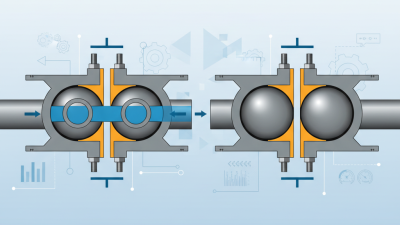
Start by clarifying what “double ball valve” means in your application. Designs can use two ball elements for separate flow paths, staged shutoff, or another specific arrangement. Do not assume it automatically provides double-block-and-bleed service; confirm the porting and sealing function on the valve drawing. What must it do? Isolate equipment, switch between lines, or control two streams? A clear answer helps prevent buying a valve that fits the pipe but not the process.
Then record the actual operating conditions. Note the fluid, normal and peak pressure, temperature range, flow direction, and how often the valve will cycle. A hot, abrasive slurry presents different demands from clean water at steady pressure. Check body and seal materials for compatibility, and verify the rated pressure at the intended temperature. Small details matter. Include connection type, available installation space, actuator needs, and the required leakage performance. If the valve is part of a safety-critical isolation point, define the required failure position and testing method.
Use the process data sheet and valve documentation to compare options, not appearance alone. Ask for pressure-temperature limits, flow data, and seat materials in writing. One detail is easy to miss: trapped fluid between closed elements may need a planned relief path as temperatures change. Conditions in the field can also differ from early estimates, so leave room to review assumptions before ordering.
Compare Valve Designs, Port Types, and Connection Options
How to Choose a Double Ball Valve in 2026?
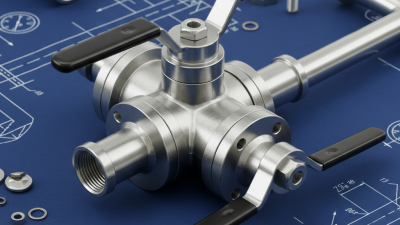
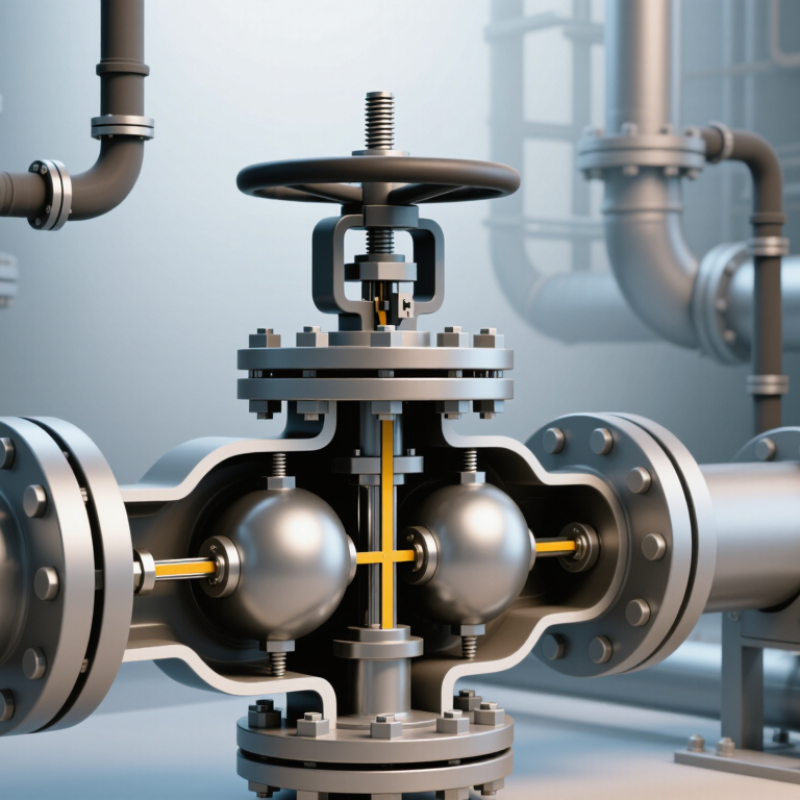
The term “double ball valve” can describe different assemblies. Some designs place two shutoff balls in one body; others connect two separate valves. Check the sectional drawing, not just the product name. A compact body saves installation space, while a modular assembly may make maintenance easier. Small detail, big effect. Consider whether both balls need independent handles or a shared actuator, and confirm the required pressure and temperature ratings for the actual service.
Port design affects flow and cleaning. A full-port valve keeps the opening close to the pipe’s inside diameter, helping limit flow restriction. A reduced-port version is often smaller, but creates a narrower passage. Compare this with the fluid’s viscosity, flow rate, and any risk of debris buildup.
Connection options include threaded, flanged, welded, and sanitary-style ends. Match the end to the pipe material, available tools, and maintenance plan. I still find end dimensions easy to overlook: verify them against the piping drawing before ordering. Check the drawing.
Also confirm body and seat materials suit the fluid and operating temperature; a familiar connection does not guarantee material compatibility.
Select Materials for the Fluid, Pressure, and Temperature
How to Choose a Double Ball Valve in 2026?
Select Materials for the Fluid, Pressure, and Temperature
Choose the body, ball, seats, and seals for the actual fluid—not just its name. Chlorides, solids, cleaning chemicals, and concentration changes can alter compatibility. For example, 316 stainless steel may suit many water services, but warm, chloride-rich water can still cause pitting or stress corrosion. Duplex alloys can offer better resistance in some conditions, yet they are not a universal fix. Small details matter. Check the fluid composition and corrosion data at the operating temperature.
Pressure and temperature must be checked together. ASME B16.34 pressure-temperature ratings vary by material and pressure class, so confirm the rating for the chosen valve configuration. NIST’s Chemistry WebBook puts water’s saturation pressure near 15.5 bar absolute at 200°C; temperature can therefore change the pressure demands of a service. Include startup, shutdown, and pressure surges, not only steady readings. Seat and seal limits matter too.
AMPP’s 2016 IMPACT study estimated corrosion costs at US$2.5 trillion annually, about 3.4% of global GDP. That figure is broad, not a valve-specific prediction. I would still question any selection based on a single compatibility chart; real fluid mixtures and operating cycles can expose gaps.
Check Standards, Actuation, and Performance Requirements
A “double ball valve” can describe different arrangements, so confirm the design before comparing quotations. Does it provide two isolation points, or control two flow paths? The distinction affects testing and installation. Check the project specification and applicable standards for design, pressure rating, face-to-face dimensions, and leakage criteria. Standards such as ASME B16.34, ISO 5208, or ISO 5211 may apply, but not to every configuration. Verify the required editions and scope.
Actuation should match both operating conditions and the available power source. Compare required torque at the maximum differential pressure, not just the valve’s normal running torque. Include a margin for seat friction, temperature changes, and cycling frequency. For pneumatic or electric actuators, specify the control signal, enclosure rating, and fail position. Manual handles are simpler, but access can be awkward in a crowded pipe rack. Small detail, big consequence.
Performance requirements need real numbers: fluid, operating and design pressure, temperature range, flow rate, and acceptable leakage. Ask how the valve performs during partial opening, if throttling is expected; many ball valves are better suited to on-off service. Confirm materials against the fluid, including seats and seals. A neat datasheet can still leave gaps. I would review the test records and clarify any unspecified duty before approving the selection.
Verify Installation Space, Maintenance Needs, and Supplier Quality
How to Choose a Double Ball Valve in 2026?
Verify Installation Space, Maintenance Needs, and Supplier Quality
A double ball valve can save space in some piping layouts, but its dimensions still need careful checking. Compare the valve’s face-to-face length, port orientation, actuator clearance, and handle swing with the actual installation drawing. Measure twice. Leave room around unions, bolts, and nearby pipe supports. A valve that fits on paper may be difficult to operate once insulation or a wall is added.
Maintenance planning matters just as much. Ask whether seats and seals can be replaced without removing the whole assembly, and confirm which tools and spare parts are required. Check the fluid, pressure, temperature, and cycling frequency against the valve’s documented operating limits. Do not assume that two ball sections mean easier servicing; access can be awkward, and internal designs vary. That detail is easy to overlook.
Supplier quality should be judged through evidence, not polished claims. Request material specifications, pressure-test records, dimensional drawings, and traceability for wetted components. Confirm that documents match the exact model and configuration being quoted. Clear answers about inspection, replacement parts, and lead times are useful signs of dependable support. If a specification remains vague, pause and resolve it before ordering. That small delay may prevent a costly fit-up problem.