Why Choose Tubing Ball Valve for Your Industrial Needs?
In the competitive landscape of industrial applications, selecting the right valve is crucial. Tubing Ball Valves are increasingly favored for their reliability and efficiency. According to a 2022 report by the Industrial Valve Association, the market for Tubing Ball Valves is expected to grow by 7% annually, reflecting their importance in various sectors.
Expert John Smith, a leading authority in valve technology, states, "The Tubing Ball Valve offers unmatched sealing capabilities, making it ideal for critical applications." This sealing ability is vital in industries such as oil and gas, where safety and performance are paramount. Many companies struggle with valve failures, leading to costly downtimes.
Although Tubing Ball Valves present clear advantages, they require specific maintenance practices to ensure longevity. The mismanagement of these factors could compromise their effectiveness. Acknowledging both the benefits and necessary precautions is essential for making informed decisions in industrial settings.
Advantages of Tubing Ball Valves in Industrial Applications
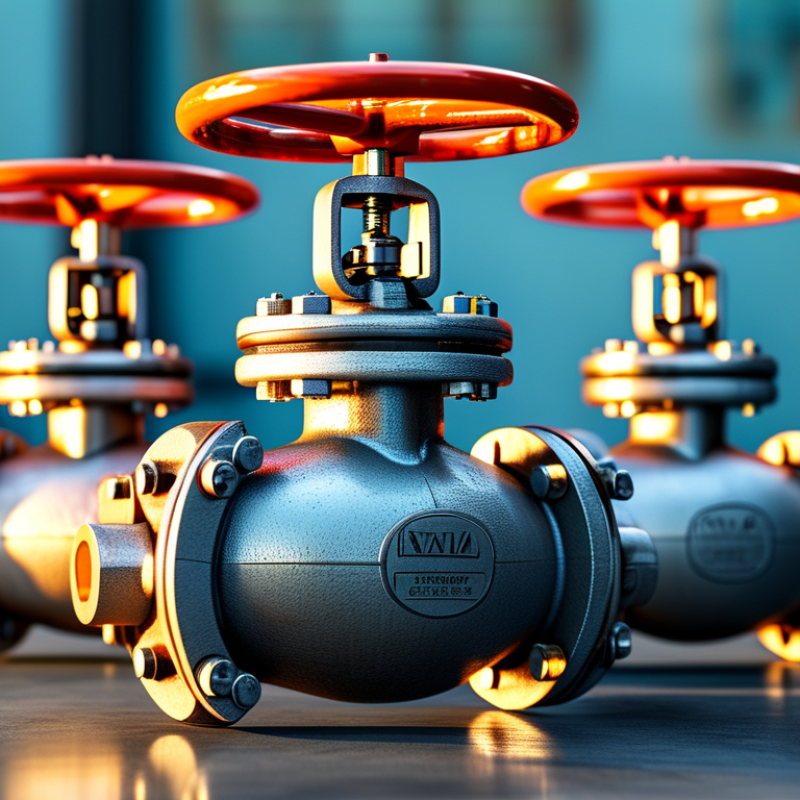
Tubing ball valves are increasingly favored in various industrial sectors. Their design promotes ease of use and maintenance, making operations smoother. These valves are known for their excellent sealing capabilities. This feature prevents leaks, which is crucial for maintaining safety in industrial environments.
A significant advantage of tubing ball valves is their durability. They can withstand high pressure and temperature. This resilience means they require less frequent replacements. In industries where downtime equals loss, this reliability is vital. Users appreciate that these valves resist corrosion better than many alternatives. This trait extends their lifespan and ensures consistent performance.
However, choosing the right valve requires careful consideration. Not all tubing ball valves fit every application. It's essential to evaluate the specific needs of your system. A mismatch may lead to inefficiencies or failures. Users should weigh the benefits against potential drawbacks. Frequent reassessments of valve performance can lead to improved operational efficiency.
Comparison of Tubing Ball Valves with Other Valve Types
When evaluating valve types, tubing ball valves stand out due to their unique construction and functionality. These valves offer a reliable sealing mechanism with minimal resistance to flow. They are ideal for regulating the flow of various fluids in industrial applications. Unlike gate valves, which can wear down over time, tubing ball valves maintain their performance and integrity even in high-pressure conditions.
In contrast, check valves allow flow in one direction but don't offer the same level of control. Globe valves may provide good throttling capabilities, but they come with higher pressure drops. This reality makes tubing ball valves a preferred choice for many professionals seeking efficiency. Their straightforward operation leads to less wear, reducing the frequency of maintenance.
Consider the material selection when using tubing ball valves. Corrosion resistance is crucial to ensure longevity in harsh environments. Regular inspections can help identify any potential issues before they escalate. Proper installation techniques can also impact their effectiveness. Seek expert advice if unsure about the application or setup. Investing time in these details enhances overall system reliability and performance.
Why Choose Tubing Ball Valve for Your Industrial Needs?
Key Features of High-Quality Tubing Ball Valves
When selecting valves for industrial applications, tubing ball valves offer unmatched reliability. These valves are designed with a spherical disc that controls flow. This design allows for quick and easy operation. They can be fully opened or closed with just a quarter turn. This feature makes them excellent for precise flow control in various systems.
High-quality tubing ball valves feature durable materials that withstand harsh conditions. Corrosion resistance is vital for longevity in industrial environments. Materials like stainless steel are commonly used for this reason. Enhanced sealing technology is another key characteristic. It ensures minimal leakage, even under high pressure. This level of performance contributes to operational efficiency.
Another aspect to consider is the maintenance of tubing ball valves. Routine checks are necessary to ensure they function correctly. While these valves are generally low maintenance, neglecting upkeep can lead to problems. Users should be aware of this and plan accordingly. Not all tubing ball valves are equal. Inconsistent quality can affect functionality. Therefore, understanding specifications and conducting proper research is essential before making a decision.
Why Choose Tubing Ball Valve for Your Industrial Needs?
| Features |
Description |
Benefits |
| Durability |
Made from high-quality materials resistant to corrosion and wear. |
Long lifespan, reducing the need for frequent replacements. |
| High Pressure Rating |
Designed to handle high pressure and temperature applications. |
Ensures system safety and integrity under demanding conditions. |
| Easy Operation |
Simple handle operation for quick opening and closing. |
Increases operational efficiency and reduces downtime. |
| Versatility |
Can be used in a variety of applications and environments. |
Suitable for diverse industrial needs across multiple sectors. |
| Low Maintenance |
Requires minimal maintenance compared to other valve types. |
Reduces operational costs over time. |
Maintenance and Care for Tubing Ball Valves
When using tubing ball valves, maintenance is key for optimal performance. Regular inspection can prevent unexpected failures. Ensure that the valves are clean and free of debris. Accumulation of dirt can lead to leaks. Check the seals regularly as they are crucial for maintaining pressure.
Proper lubrication also plays a vital role. Use the recommended lubricant for your specific valve type. Too much or too little can hinder functionality. Consider temperature variations in your environment. Different temperatures affect valve materials. Monitor how they respond over time.
Training staff on valve care is essential. They should know how to operate and maintain valves safely. Document any repairs or observations during maintenance checks. This creates a reliable history of valve performance. Learn from any issues encountered. Reflecting on these experiences will lead to better practices and fewer breakdowns.
Applications and Industries Utilizing Tubing Ball Valves
Tubing ball valves are essential components in various industries. These valves are primarily used in oil and gas, water treatment, and chemical processing. Their design allows for quick control of flow, which enhances safety and efficiency in demanding environments. They are effective in high-pressure and high-temperature situations, providing reliable shut-off and control.
In the oil and gas sector, tubing ball valves facilitate the flow of hydrocarbons. They are often found in production lines and pipeline systems. This ensures seamless operations, which is critical for productivity. In water treatment, these valves help regulate the flow and distribution of water. They are vital for maintaining quality and managing resources.
Consider these tips when selecting tubing ball valves. Always assess the specific requirements of your project. Understand the working pressure and temperature limits. Regular maintenance checks are crucial for longevity. Proper installation ensures optimal performance. A mismatch in specifications can lead to operational inefficiencies. Thus, thorough research and expert consultation are essential for making informed decisions.