How to Choose the Right Metal Seated Ball Valves for Your Needs?
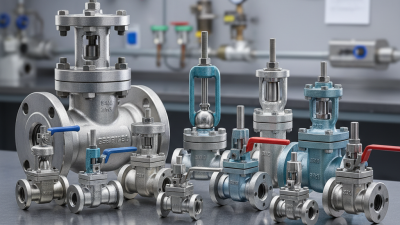
Choosing the right Metal Seated Ball Valves can significantly impact operational efficiency in various industries. Recent market research indicates that the global demand for these valves is projected to grow by 5% each year through 2025. Experts like Dr. Jane Holloway, a recognized authority in valve technology, emphasize that “selecting the appropriate valve is essential for maintaining system integrity and performance.”
Metal Seated Ball Valves are crucial in applications involving high pressures and temperatures. These valves ensure tight sealing and durability against harsh chemicals. However, choosing the ideal valve requires understanding specific operational conditions. Insufficient attention to material compatibility can lead to premature failures. It’s vital to consider factors such as fluid type and environmental conditions.
Many organizations still overlook the importance of extensive testing. This oversight may result in increased downtime and costs. Understanding the differences between various metal seated options is key. Reflecting on expert insights and industry trends can guide better decision-making, ensuring reliable operations and saving substantial resources.
Understanding Metal Seated Ball Valves and Their Applications
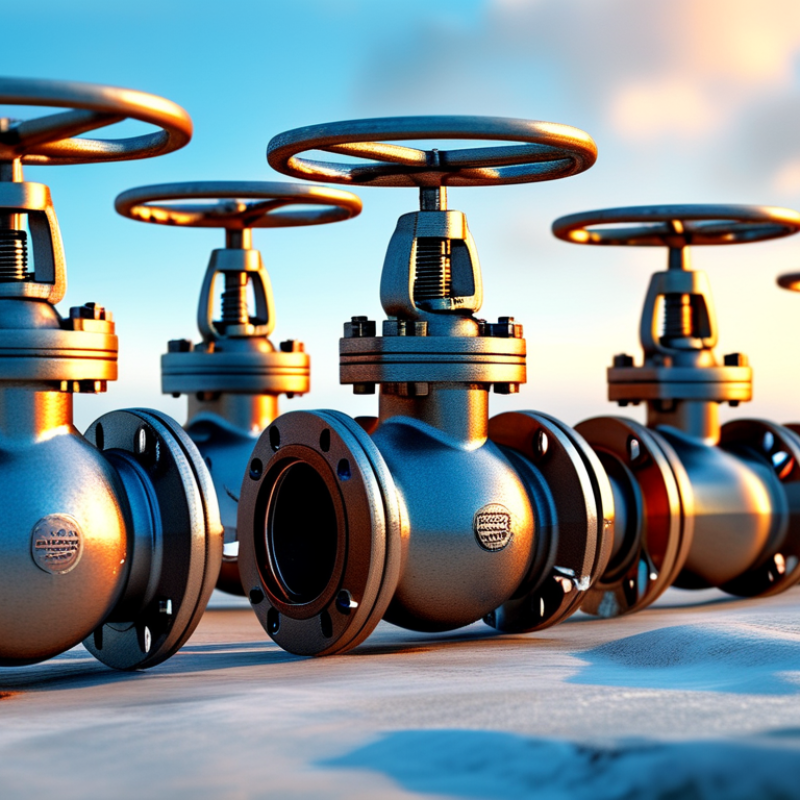
Metal seated ball valves are essential in various industrial applications. They are often chosen for their durability and ability to withstand extreme conditions. According to a report from MarketsandMarkets, the global valve market is expected to reach $80 billion by 2025, with metal seated valves leading the way due to their robustness.
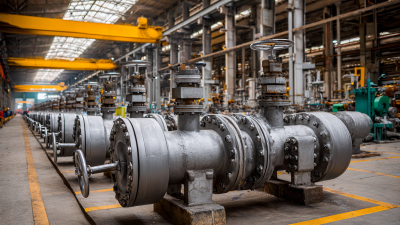
These valves excel in high-temperature and high-pressure environments. They are commonly used in industries such as oil and gas, chemicals, and power generation. A study from ResearchAndMarkets shows that metal seated ball valves can operate reliably in temperatures exceeding 400°C. This versatility makes them crucial for processing harsh materials like slurry and abrasive liquids.
However, potential users should be aware of some limitations. While metal seated ball valves offer durability, their sealing capabilities differ from soft seated options. Over time, wear and tear can affect their performance, leading to leaks if not monitored. An understanding of these weaknesses is crucial for effective maintenance and operation. Proper research and consultation with industry experts can help ensure that the right choice is made for specific needs.
Key Factors to Consider When Selecting Metal Seated Ball Valves
Selecting the right metal seated ball valves requires careful consideration of key factors. First, the operating conditions, such as temperature and pressure, play a crucial role. According to a recent industry study, over 30% of valve failures result from inadequate pressure ratings. Understanding the specific requirements of your system helps avoid costly downtime.
Another critical factor is the type of media being handled. Corrosive or abrasive substances can severely impact valve longevity. Data indicates that valves designed for high-corrosion applications have a 25% longer lifespan when the right materials are chosen. It's vital to match the valve materials to the nature of the process fluids.
Additionally, installation and maintenance aspects should not be overlooked. Many operators underestimate the importance of proper installation. Inadequate installation can lead to leaks and increased wear. Reports show that improperly installed valves can reduce efficiency by up to 15%. The choice of valve design also influences ease of maintenance—ensure your selection allows for straightforward access to key components. Ultimately, a thoughtful approach to these factors will enhance reliability and performance in your systems.
Comparing Different Materials Used in Metal Seated Ball Valves
When selecting metal seated ball valves, material choice is crucial. Each material offers unique strengths and weaknesses. Common materials include stainless steel, ceramic, and nickel alloy. Stainless steel is popular due to its durability and corrosion resistance. It performs well under high temperatures and pressures. Ceramic, while resistant to wear, can be brittle under extreme conditions. Nickel alloy provides excellent resistance to corrosive chemicals, but it can be more expensive.
Understanding the application is key. Assessing the environment will guide decision-making. For example, a high-temperature application may favor stainless steel over ceramic. Conversely, a corrosive environment might necessitate a nickel alloy. It’s important to consider the trade-offs involved. While one material may excel in certain areas, it might lack in others. Evaluating the specific requirements of your project allows for better material selection.
The choice of materials also impacts maintenance and lifespan. Some materials may require more frequent inspections or replacements. Balancing initial costs against long-term performance is essential. Clients often overlook maintenance needs until issues arise. Understanding these aspects can lead to more informed decisions in the future. Effective communication with suppliers can offer insights into material performance over time.
Metal Seated Ball Valves Material Comparison
Evaluating the Performance Ratings and Specifications
When selecting metal seated ball valves, evaluating performance ratings and specifications is crucial. These valves are distinguished by their durability and ability to handle extreme conditions. According to a report by the American Society of Mechanical Engineers (ASME), metal seated valves can withstand temperatures exceeding 500°F (260°C) and pressures up to 6000 psi, making them suitable for various applications.
Understanding the specifications allows for effective matching to operational needs. For instance, the seat material is vital. Harder materials, such as tungsten carbide, enhance wear resistance but may reduce sealing capabilities in low-pressure situations. Data shows that wear rates can be three times higher in abrasive environments, highlighting the importance of tailored selections.
Performance ratings such as the API 598 testing standards ensure reliability. These specifications assess leakage rates and materials under pressure. Nevertheless, even top-rated valves can experience issues due to improper installation or maintenance failures. Regular evaluations are necessary to ensure continued performance. The choice between different valve designs can also indicate larger trends in industry needs, reflecting evolving user demands.
Maintenance and Care for Metal Seated Ball Valves in Operation
Metal seated ball valves are essential in various industries due to their durability and reliability in handling high pressures and temperatures. Regular maintenance is critical to ensure these valves operate efficiently. According to industry reports, poorly maintained valves can result in a 20% decrease in performance over time. Regular inspections help identify wear and potential leaks, allowing for timely interventions.
Cleaning metal seated ball valves is vital for their longevity. Contamination from process fluids can impair their functionality. Implementing a routine cleaning schedule can minimize abrasive wear and prolong service life. Furthermore, monitoring operating conditions is crucial. Extreme temperatures and pressures can accelerate degradation. Operators should frequently assess these parameters to prevent unexpected failures.
Operators sometimes neglect lubrication, which is a common oversight. Proper lubrication reduces friction, enhancing performance. However, too much lubricant can lead to buildup and additional issues. Striking the right balance is necessary. Technicians should document maintenance activities to track performance metrics over time. This approach fosters accountability and allows for better decision-making.