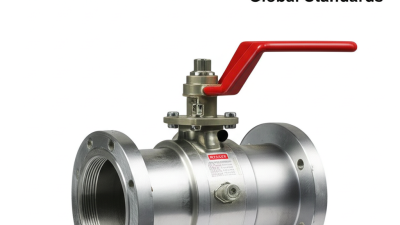
Why You Should Choose a Double Block Bleed Valve for Your System Needs
In the ever-evolving landscape of industrial systems, the choice of valve configurations can significantly impact operational efficiency and safety. One such configuration that has gained prominence in recent years is the
Double Block Bleed Valve (DBBV). Industry expert John Smith, a renowned valve engineer with over two decades of experience, emphasizes the importance of this technology by stating,
“The Double Block Bleed Valve is not just a choice; it is a necessity for ensuring complete isolation and protection in critical applications.”

The design of the
Double Block Bleed Valve provides unmatched reliability, effectively preventing leaks and allowing for safe maintenance procedures. This valve configuration is particularly vital in
high-pressure environments, where the risks associated with potential failures are considerably high. By incorporating a bleeding function between two seating surfaces, DBBVs enable operators to verify the integrity of the isolation, ensuring that systems remain safe and operational.
As industries aim for higher standards of safety and efficiency, understanding the advantages of the
Double Block Bleed Valve is paramount. This article will delve into the key benefits of utilizing DBBVs in various applications, illustrating why they are indispensable in meeting modern system needs.
Understanding Double Block Bleed Valves and Their Functionality
Double Block Bleed Valves (DBB valves) are essential components in many industrial systems, offering a reliable solution for ensuring system integrity and safety. These valves function by providing two separate sealing surfaces that isolate a section of piping from the surrounding environment, while an additional bleed port allows for the safe venting of any trapped fluids. This design not only helps in preventing leaks but also simplifies maintenance procedures when working on pipeline systems.
The functionality of DBB valves is crucial in applications where pressure and fluid control are paramount. By isolating sections of the system, they allow for safe maintenance without the risk of product loss or accidental exposure to hazardous materials. Moreover, the bleed feature plays a significant role in ensuring that any pressure buildup can be managed effectively, providing a clear path for any residual fluids to escape. This enhanced level of control and safety is particularly vital in industries such as oil and gas, chemical processing, and power generation, where the stakes of failure can be exceedingly high.
Key Advantages of Double Block Bleed Valves in Systems
Double block bleed valves (DBBVs) are increasingly recognized for their efficiency in ensuring system integrity in various industrial applications. Their design incorporates two blocking valves with a bleed feature, allowing for safe maintenance and reduced risk of leakage in process systems. According to industry reports, utilizing DBBVs can lead to a significant reduction in potential leakage points by approximately 50%, effectively enhancing safety protocols in hazardous environments.
Moreover, the double block bleed mechanism minimizes downtime during maintenance operations, aligning with the growing industry emphasis on maintaining operational efficiency. Research indicates that systems incorporating DBB technology experience decreased maintenance costs by up to 30%, as they allow for safe isolation of the process fluid without the need for system shutdown. This advantage is particularly crucial in sectors like petrochemicals, where any unplanned downtime can lead to substantial financial losses and safety hazards. As industries evolve, the adoption of double block bleed valves stands out as a strategic choice for those looking to optimize safety and reliability.
Applications of Double Block Bleed Valves Across Industries
Double block bleed valves (DBB) are essential components in various industrial applications, providing a reliable method to isolate sections of piping and safely vent any trapped fluids. Industries such as oil and gas, petrochemical, and water treatment greatly benefit from the use of DBB valves. According to the Global Market Insights report, the demand for valve systems in the oil and gas sector is projected to exceed $30 billion by 2025, highlighting the increasing reliance on effective flow control solutions that ensure safety and efficiency.
In the oil and gas industry, DBB valves are primarily utilized in pipeline applications to maintain the integrity of systems during maintenance or in case of emergencies. They prevent spills and leaks, contributing to environmental protection and reducing downtime. Additionally, in the pharmaceutical sector, DBB valves help maintain sterile processes, ensuring that contamination is avoided, which is critical for product safety. A recent report from the Pharmaceutical Industry Association indicates that nearly 50% of manufacturing interruptions are due to valve failures, underlining the importance of selecting appropriate valve systems.
Tip: When selecting a DBB valve for your needs, consider the material compatibility with your process media, operating pressure, and temperature ranges. This will ensure optimal performance and longevity of the valve in your specific application. Additionally, regular maintenance checks can significantly enhance the reliability and efficiency of these crucial components in your systems.
Comparison of Double Block Bleed Valves with Other Valve Types
When comparing double block bleed valves to other valve types, it becomes clear that these valves offer distinct advantages, particularly in applications requiring enhanced safety and reliability. Unlike single block valves, which may allow for backflow under certain conditions, double block bleed valves utilize two separate sealing elements. This design ensures that even if one seal fails, the second will continue to provide a leak-proof barrier, significantly reducing the risk of hazardous fluid escape.
Moreover, when assessed alongside other valve configurations such as globe or ball valves, double block bleed valves excel in providing isolation in maintenance scenarios. The integrated bleed port allows for safe discharge of trapped fluids, minimizing the risk during inspection or repairs. While other valve types may require additional equipment or processes for similar maintenance safety, double block bleed valves deliver a more streamlined and effective solution, making them the preferred choice in critical industrial applications.
Best Practices for Selecting and Maintaining Double Block Bleed Valves
When selecting a double block bleed valve for your system, it's essential to consider factors such as application requirements, pressure ratings, and compatibility with the fluids being handled. Start by assessing the specific functions the valve needs to perform, including whether it will be used for isolation, draining, or maintenance. Choosing a valve with appropriate materials that can withstand the working conditions, including temperature and corrosive environments, is crucial for ensuring reliability and longevity.
Maintenance practices are equally important. Regular inspection of the valve's seals and connections can prevent leaks and ensure optimal performance. Implementing a routine maintenance schedule that includes testing the bleed function and lubricating moving parts will help to extend the valve's lifespan. Additionally, training personnel on proper handling and operational procedures will minimize the risk of mishandling and enhance the overall safety of the system. By prioritizing these best practices, you can optimize the effectiveness and reliability of your double block bleed valves in various applications.
Double Block Bleed Valve Performance Comparison