China Best Stainless Ball Valve Manufacturers?
Choosing among China’s best Stainless Ball Valves manufacturers requires more than comparing unit prices. Buyers need to examine material traceability, machining consistency, pressure testing, and after-sales support. A polished body can look convincing. It proves little about internal tolerances.
Grand View Research estimated the global ball valve market at USD 12.4 billion in 2023, reflecting demand across industrial applications. That figure covers ball valves broadly, not stainless-steel models alone, so it should not be treated as a stainless-specific forecast. Still, it signals a competitive market where specifications and verification matter. API 608 and ISO 5208 provide useful reference points for design and pressure testing, but a certificate should always match the actual product and application.
Quality-management expert W. Edwards Deming said, “Quality is everyone’s responsibility.” His statement is not valve-specific, but it fits the factory floor: material inspection, seat assembly, and final testing each affect performance. For Stainless Ball Valves, ask manufacturers for grade certificates, test records, and clear details about sealing materials. Then check whether the documents identify the same model and batch you plan to buy.
Details matter. A lot. Yet paperwork alone cannot reveal every weakness, and supplier claims deserve independent checks. This guide compares manufacturers by production capability, product range, quality evidence, and communication—not by slogans. The shortlist may not be perfect. It should, however, help buyers ask sharper questions before placing an order.
What Stainless Steel Ball Valves Are and How They Work
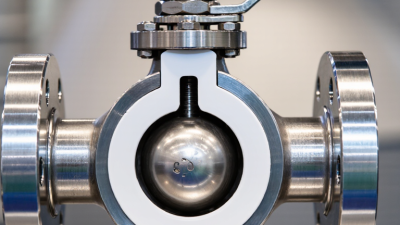
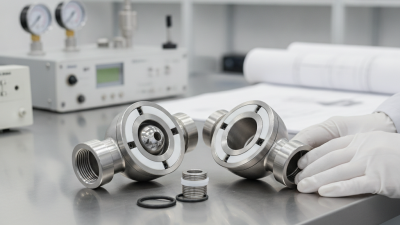
A stainless steel ball valve controls flow with a drilled sphere inside its body. Turn the handle one quarter-turn, and the bore aligns with the pipe. Turn it again, and the solid side blocks the passage. The motion is simple. Inside, seats support the ball, while a stem transfers handle movement. This compact design makes shutoff quick, but it is not automatically suitable for every fluid or temperature.
Stainless steel bodies resist corrosion, though performance depends on the grade, fluid chemistry, and operating conditions. The World Stainless Association reported global stainless steel crude production of 58.4 million metric tonnes in 2023. This shows the material’s broad industrial use, not that every stainless valve has equal durability. Check the body and trim specifications, pressure-temperature ratings, connection type, and seat material against the actual service. A valve that works well on clean water may wear faster with abrasive particles. That detail is easy to overlook.
Tips: Before installation, confirm the flow direction if the valve design requires it. Cycle the handle gently and inspect for leakage after commissioning. Keep a record of fluid, pressure, temperature, and maintenance findings. It may feel excessive, but those notes help explain early wear.
Materials and Standards Used in Chinese Ball Valve Production
China Best Stainless Ball Valve Manufacturers?
Materials and Standards Used in Chinese Ball Valve Production
Stainless steel ball valves are commonly made from grades 304 and 316. Grade 304 suits many water and general-service systems, while 316 offers better resistance to chloride exposure. For cast bodies, buyers may see designations such as ASTM A351 CF8 or CF8M. The right choice depends on the fluid, temperature, pressure, and cleaning chemicals—not just the grade name.
Standards help define design and testing requirements. Depending on the valve type and application, specifications may reference API 608, API 6D, or ASME B16.34. Ask for material certificates, pressure-test records, and clear information about the applicable standard. Positive material identification can help verify alloy composition. A stamped grade alone is not proof. Documentation can also be incomplete, so check it against the valve markings and purchase specification. Small details matter.
Tips: Confirm whether the body and ball use the specified alloy. Check the seat material and pressure rating, too. Compare test records with the required standard and operating conditions. If the service details are uncertain, pause and verify them before ordering.
How to Evaluate Stainless Ball Valve Manufacturers in China
China Best Stainless Ball Valve Manufacturers?
How to Evaluate Stainless Ball Valve Manufacturers in China
A useful evaluation starts with the valve’s intended service. Record the fluid, operating pressure, temperature range, connection type, and opening frequency. Then ask how the manufacturer selects stainless steel grades for the body, ball, and stem. Material certificates should match the markings on the actual parts, not just a sample document. Details matter.
Look beyond polished product photos. Request drawings, dimensional tolerances, and test records for the model you plan to buy. Ask whether each valve receives a pressure and leakage test, and how failed units are handled. If possible, inspect machining and assembly: rough sealing surfaces, inconsistent threads, or loose handles deserve questions. A smooth sample is useful, but one sample cannot prove stable production.
Check how the factory controls changes in materials, suppliers, and production batches. Clear answers and traceable records are stronger evidence than broad claims about quality. An on-site audit or independent inspection can reveal gaps that a catalog will not. Not enough. I would also compare lead times and packaging details, since damage or rushed production can affect delivery. No checklist removes all risk; some test conditions may not reflect your actual service, so confirm the limits before ordering.
How to Evaluate Stainless Ball Valve Manufacturers in China
Use these suggested weights to compare manufacturers. Verify material traceability, pressure and leakage test records, relevant certifications, production capacity, and after-sales support against your project requirements. The percentages are an evaluation framework, not measured ratings of specific manufacturers.
Manufacturing Capabilities and Quality Control Practices
China Best Stainless Ball Valve Manufacturers?
Manufacturing Capabilities and Quality Control Practices
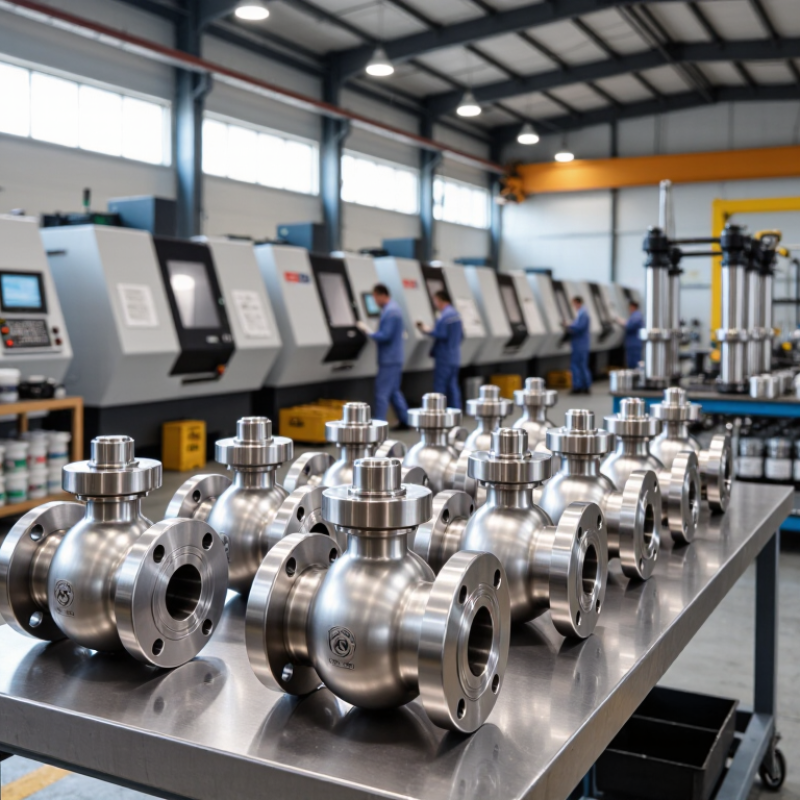
A capable stainless ball valve manufacturer should control each stage, from material selection to final pressure testing. Ask how the shop machines the ball and body, finishes sealing surfaces, and manages assembly tolerances. These details affect smooth operation and leakage risk. Look for equipment suited to repeatable machining, not just impressive production figures.
Quality checks should begin with incoming material records and continue through documented inspections. A practical process may include dimensional checks, visual examination of welds, and pressure tests on completed valves. Request sample inspection reports and clarify how defects are recorded and corrected.
Details matter.
A polished certificate alone cannot show how consistently a factory handles daily production. During a supplier visit, inspect measuring tools, calibration labels, and the area where finished valves are tested. Ask staff to explain a rejected part. Their answer can reveal more than a sales presentation. Not every shop excels. Even strong systems can miss a flaw, so buyers should verify specifications, test methods, and traceability before placing an order.
How to Compare Suppliers and Choose the Right Manufacturer
China Best Stainless Ball Valve Manufacturers?
How to Compare Suppliers and Choose the Right Manufacturer
Choosing a stainless ball valve supplier takes more than comparing prices. Start with the service conditions: media, operating pressure, temperature, and connection type. Ask for the valve’s material grade, pressure rating, seat material, and test records. These details help you judge whether a product fits your system, not just whether it looks well made. A clean datasheet can still leave important gaps.
Compare how suppliers control production. Ask whether material certificates can be traced to specific valve batches, and how dimensions, sealing, and operation are checked. If possible, inspect a sample: turn the handle, examine the finish, and look for uneven machining around the body and ports. Confirm lead times and spare-part availability in writing. A low quotation may reflect a different specification, so compare equivalent configurations.
Tips: Request a sample and a written inspection report. Check that pressure and temperature ratings match your actual conditions. Ask how defects are handled. One point is easy to miss: polished surfaces do not prove reliable sealing. Even a thorough review cannot predict every issue in service, so document acceptance criteria before ordering.