What is a Ball Valve and How Does it Work?
Ball valves are a crucial component in various industrial applications. They provide a simple and efficient way to control fluid flow. According to a recent report by MarketsandMarkets, the global ball valve market is projected to grow from $11.5 billion in 2020 to $15.8 billion by 2025. This significant growth highlights the increasing demand for reliable fluid control mechanisms.
Expert Michael Johnson, a veteran in valve technology, states, "Ball valves are highly valued for their durability and quick operation." His insight underscores the importance of these valves in oil, gas, and water treatment industries. Ball valves are designed to offer tight sealing and minimal leakage, making them essential for safety and performance.
However, challenges exist in maintaining their efficiency. Misalignment or improper installation can lead to failures. Regular maintenance is critical to ensure functionality and longevity. Understanding how ball valves work can help in selecting the right type for specific needs. This knowledge is vital for engineers and operators alike.
What is a Ball Valve?
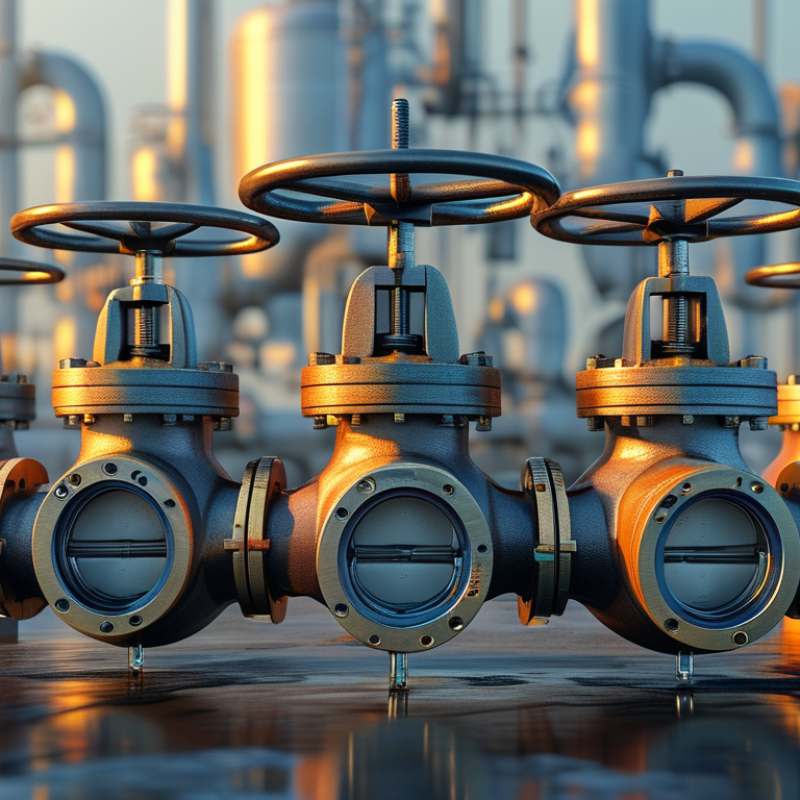
A ball valve is a type of quarter-turn valve that uses a spherical disc to control the flow of liquids or gases. It is widely used in various industries due to its simple operation and reliability. The ball features a hole in the center. When the ball is rotated, the hole aligns with the flow path, allowing fluid to pass through. Turning the ball 90 degrees blocks the flow. This straightforward mechanism makes ball valves efficient and user-friendly.
The construction of a ball valve is also noteworthy. The materials used can vary, affecting durability and compatibility with different fluids. Common materials include stainless steel and brass. A well-designed ball valve can withstand high pressure and temperature. However, not all ball valves provide the same level of performance, which means choosing the right type is crucial. Sometimes users overlook the need for regular maintenance. Accumulated debris can impact performance and lead to leaks over time.
In practical applications, ball valves provide speed and ease of use, especially in systems requiring quick shut-off. However, they are not always the right choice for every situation. For instance, in some low-flow applications, other valve types might offer better control. Users must assess their specific needs carefully. Making the right choice can prevent operational issues later on.
Ball Valve Usage in Various Industries
Key Components of a Ball Valve
A ball valve is a crucial component in many fluid control systems. Understanding its key components helps in grasping how it functions. The primary part is the ball, which has a hole through the center. This design allows fluid to flow through when the valve is open. When the handle or actuator turns the ball, it blocks or allows the flow.
Another essential component is the valve body. It houses the ball and provides a pathway for the fluid. Typically made from durable materials, it withstands high pressure. Seals are also significant; they prevent leaks and ensure smooth operation. The seals must be replaced periodically, as wear can lead to failures.
Additionally, the stem connects the ball to the actuator. Proper alignment is vital for effective operation. Over time, the stem can become loose or corroded, affecting performance. Regular inspection of each component is critical. This awareness can prevent unexpected issues in the system and ensure longevity.
How a Ball Valve Operates
A ball valve is a mechanical device that controls the flow of fluid. It features a spherical disc, known as a ball, with a hole in the center. When the ball is rotated, the hole aligns with the pipe's flow path. This simple design allows for quick shut-off and precise flow control.
How does a ball valve operate? When you turn the valve handle, it rotates the ball. If the hole points in the same direction as the flow, the fluid passes through. If the ball turns 90 degrees, the flow is blocked. This straightforward mechanism makes ball valves popular in many systems, including plumbing and industrial applications.
However, not all ball valves perform flawlessly under all conditions.
Wear and tear can impact their efficiency over time. Sometimes, debris can get stuck in the valve, leading to incomplete closure or leaks.
Regular maintenance is vital to ensure optimal operation. Being aware of these issues can help maintain effective control and prevent costly failures.
Benefits of Using a Ball Valve
Ball valves are renowned for their reliability and efficiency in controlling fluid flow. They are especially valued in various industries due to their durable structure and ease of operation. One major benefit of using a ball valve is its quick opening and closing feature. This design ensures that operators can stop the flow rapidly when necessary. This characteristic is crucial in applications where safety is a priority.
Another significant advantage is the tight sealing capability of a ball valve. The ball’s shape allows for a complete closure, minimizing leaks. This is particularly beneficial in high-pressure systems. Additionally, ball valves require minimal maintenance, making them a cost-effective choice over time. However, it’s worth noting that they may not excel in throttling applications, as they are mostly designed for on/off control.
In certain situations, users may find that the materials used in ball valves can be a limitation. For example, some environments demand specialized coatings or materials that resist corrosion. Therefore, selecting the right ball valve for specific needs is essential. While ball valves generally perform well, evaluating all variables before installation is critical to ensure optimal results.
Common Applications of Ball Valves
Ball valves are essential components in various industries. Their design allows for quick on-off control of fluid flow. These valves are common in water supply systems, oil and gas pipelines, and even in food processing. The simplicity of their operation is one of the reasons for their wide application.
In water treatment plants, ball valves regulate the flow of water. They help manage pressure and ensure safe distribution. In the oil and gas sector, these valves prevent leaks and control flow rates. They are reliable under high pressures. This makes them suitable for handling crude oil and natural gas.
**Tip:** Regular maintenance is crucial for ball valves. Inspect seals and seating surfaces periodically. Wear can lead to leaks. Keep in mind that not every valve is appropriate for every application. Assess the specific requirements. Consider factors like temperature and material compatibility before choosing a valve.
What is a Ball Valve and How Does it Work? - Common Applications of Ball Valves
| Dimension |
Description |
Common Application |
| Size |
Ranges typically from 1/4 inch to 48 inches |
Water Supply Systems |
| Pressure Rating |
10 to 6000 psi |
Oil and Gas Pipelines |
| Material |
Usually stainless steel, brass, or plastic |
Chemical Processing |
| Operation Type |
Manual or Actuated |
HVAC Systems |
| Flow Characteristics |
Full bore or reduced bore |
Irrigation Systems |