2026 Best Flanged Ball Valves for Global Procurement Needs?
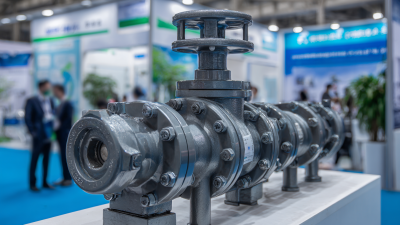
In the ever-evolving landscape of industrial equipment, Flanged Ball Valves have become essential components. The global demand for these valves is projected to reach $8.25 billion by 2026, as reported by MarketsandMarkets. Their reliability and efficiency in various applications drive this growth. Industries such as oil and gas, water treatment, and manufacturing increasingly rely on these valves for optimal performance.
Flanged Ball Valves are known for their ability to handle high pressures and temperatures. They provide a tight seal, minimizing the risk of leaks. Despite their advantages, challenges persist. Quality variations among manufacturers can lead to inconsistencies. Additionally, the procurement process may be complex, requiring a thorough understanding of specifications and standards.
The need for quality and durability cannot be understated. Buyers must consider factors like materials, size, and compatibility with existing systems. Reliable suppliers often carry certifications that verify product quality. This ensures that Flanged Ball Valves meet industry standards while addressing unique operational needs. As experts emphasize, careful selection is key to achieving long-term operational efficiency.
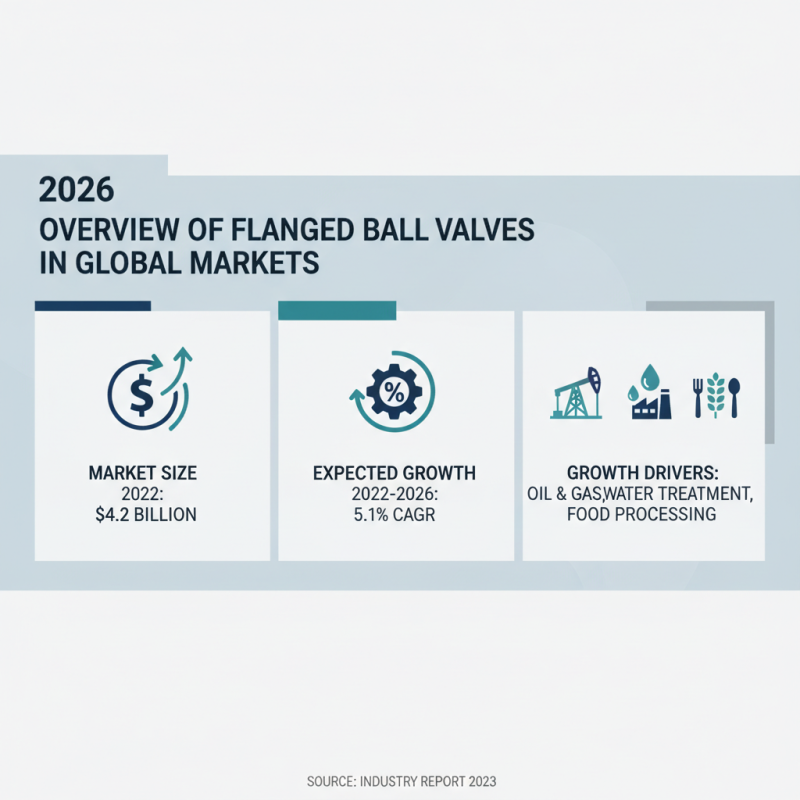
2026 Overview of Flanged Ball Valves in Global Markets
The global market for flanged ball valves is evolving rapidly. According to a recent report, the market size was valued at approximately $4.2 billion in 2022 and is expected to grow by around 5.1% annually through 2026. This growth is largely driven by increased demand from industries such as oil and gas, water treatment, and food processing.
Flanged ball valves play a critical role in efficient fluid control. Their design allows for quick operation and minimal pressure loss. However, the diversity in quality and specifications raises some reflections about procurement choices. Buyers must ensure that their selections comply with international standards. Poor-quality valves can lead to leaks, resulting in safety hazards or operational downtime.
Furthermore, innovations continue to emerge in valve technology. For example, advanced materials and coatings can improve valve longevity. However, these advancements come at a cost. Companies must balance the benefits against their budget constraints. Therefore, thorough market research and supplier assessments are essential for making informed decisions.
Key Features and Benefits of Flanged Ball Valves
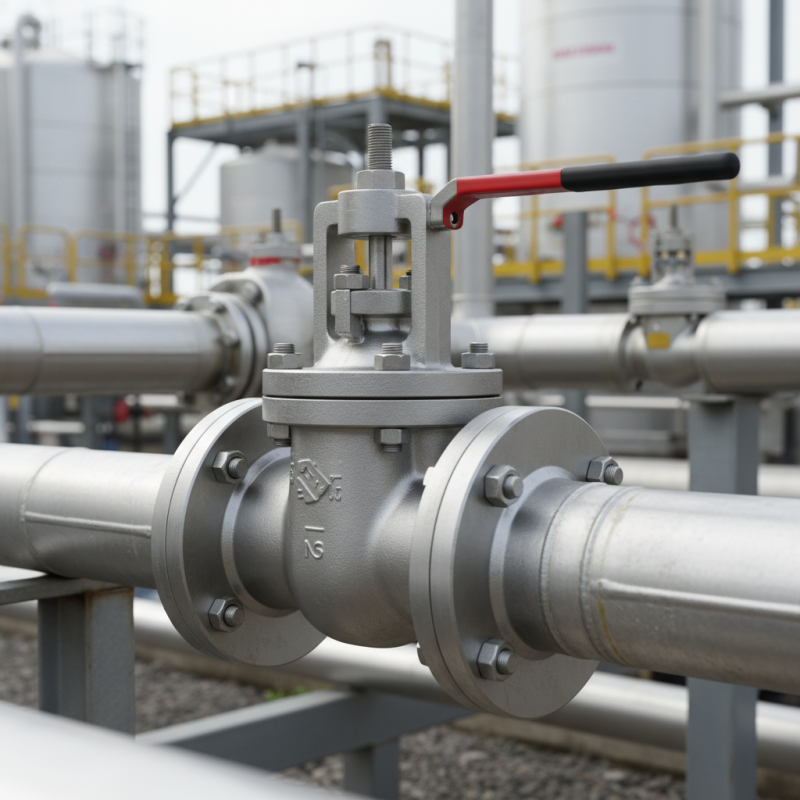
Flanged ball valves are essential in various industries. Their unique design promotes efficiency and reliability in fluid control. These valves consist of a ball with a hole allowing for smooth fluid passage when aligned. When rotated, the ball shuts off the flow. This simple yet effective mechanism simplifies operations.
One key feature of flanged ball valves is their robust construction. Many are made of durable materials such as stainless steel or carbon steel, which resist corrosion. This durability ensures long service life, making them a smart investment. Additionally, they can handle high-pressure environments, making them suitable for heavy-duty applications.
Another benefit is the ease of installation. Flanged designs allow for straightforward mounting between pipelines. Maintenance is generally manageable, but it is crucial to periodically check for leaks. This routine action can prevent costly downtime. However, the reliability of these valves can sometimes be overestimated, leading to neglect in inspections. While flanged ball valves offer many advantages, awareness of their limitations is vital for ensuring optimal performance.
2026 Best Flanged Ball Valves for Global Procurement Needs
| Model |
Size (Inch) |
Material |
Pressure Rating (psi) |
Temperature Range (°F) |
Key Features |
| FBV-100 |
2 |
Stainless Steel |
150 |
-20 to 300 |
Fire-safe, Anti-static |
| FBV-200 |
3 |
Carbon Steel |
300 |
-20 to 350 |
Low Torque, Bi-directional |
| FBV-300 |
4 |
Brass |
150 |
-20 to 250 |
Corrosion-resistant, Quick operation |
| FBV-400 |
6 |
PVC |
150 |
0 to 140 |
Lightweight, Easy installation |
| FBV-500 |
8 |
Ductile Iron |
250 |
-20 to 200 |
High strength, Robust design |
Top Manufacturers and Suppliers of Flanged Ball Valves in 2026
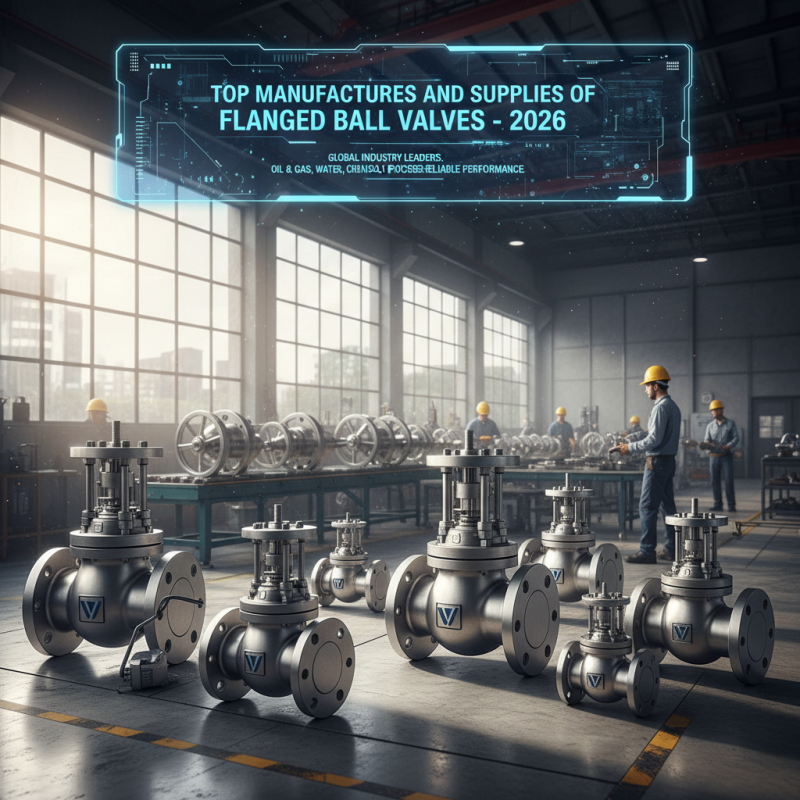
In 2026, flanged ball valves play a crucial role in global industries. Many manufacturers and suppliers focus on delivering high-quality products. These valves ensure reliable performance in various applications, including oil and gas, water management, and chemical processing. The importance of selecting the right supplier cannot be overstated. A trusted partner can significantly influence operational efficiency.
Leading manufacturers emphasize advanced technology and strict quality control. They invest in research and development to enhance the functionality of flanged ball valves. Clients often look for specific features like corrosion resistance and pressure tolerance. However, not all suppliers meet these stringent requirements. Buyers must conduct thorough evaluations, ensuring compatibility with their systems.
Reliability is a recurring concern among industries. Frequent issues can arise from poor manufacturing processes. This emphasizes the need for diligent sourcing practices. Companies should carefully review supplier certifications and client feedback. Mistakes in selection can lead to costly downtimes. The pursuit of quality flanged ball valves requires dedication and due diligence.
Market Trends and Innovations in Flanged Ball Valve Technology
Flanged ball valves are evolving rapidly to meet diverse global procurement needs. These valves are crucial in various industries, providing reliable control over fluid flow. Recent research indicates a significant shift towards advanced materials and smart technology integration. For instance, a report from MarketsandMarkets projects a compound annual growth rate (CAGR) of over 5% for the flanged ball valve market in the next five years.
Innovations in design focus on durability and efficiency. Manufacturers are incorporating lightweight yet robust materials, enhancing performance while reducing maintenance costs. Moreover, automation is redefining operational capabilities. The advent of Internet of Things (IoT) technology allows real-time monitoring and predictive maintenance. According to a forecast by BXYZ Industry Insights, the smart valve segment could grow by 30% by 2026.
Despite these advancements, challenges persist. Many facilities still utilize outdated systems, leading to inefficiencies. The gap between current capabilities and technological advancements can create inconsistencies in performance. Furthermore, access to skilled workers to implement these innovations remains a concern. Addressing these issues is key to fully realizing the potential of flanged ball valve technology in future markets.
Factors Influencing Global Procurement of Flanged Ball Valves
The global procurement of flanged ball valves is influenced by numerous factors. Market demands vary by region, often driven by the growth of industries like oil and gas, water treatment, and manufacturing. According to a recent market analysis, the global flanged ball valve market is expected to reach $10 billion by 2026, with a CAGR of 5% from 2021 to 2026.
Material selection plays a crucial role in procurement. The demand for durable materials like stainless steel is increasing due to its corrosion resistance and longevity. However, finding a balance between cost and quality remains a challenge. Procurement professionals must analyze the lifecycle costs and the environmental impact of their choices, reflecting on the long-term sustainability of their procurement strategies.
Logistics also significantly affects procurement processes. Shipping delays and fluctuating freight costs can hinder timely availability. The need for reliable suppliers is paramount, yet identifying them is not always straightforward. Many organizations struggle with transparency in their supply chain, leading to procurement inefficiencies. By assessing these factors carefully, companies can address risks and optimize their procurement strategies for flanged ball valves.