Top Trunnion Mounted Valve Types for Global Buyers?
In the industrial landscape, the choice of valves can significantly impact system efficiency. Trunnion Mounted Valves are among the top choices for buyers worldwide. They are engineered for high-pressure applications and often found in oil, gas, and water industries. These valves provide enhanced stability and control, making them crucial for pipeline operations.
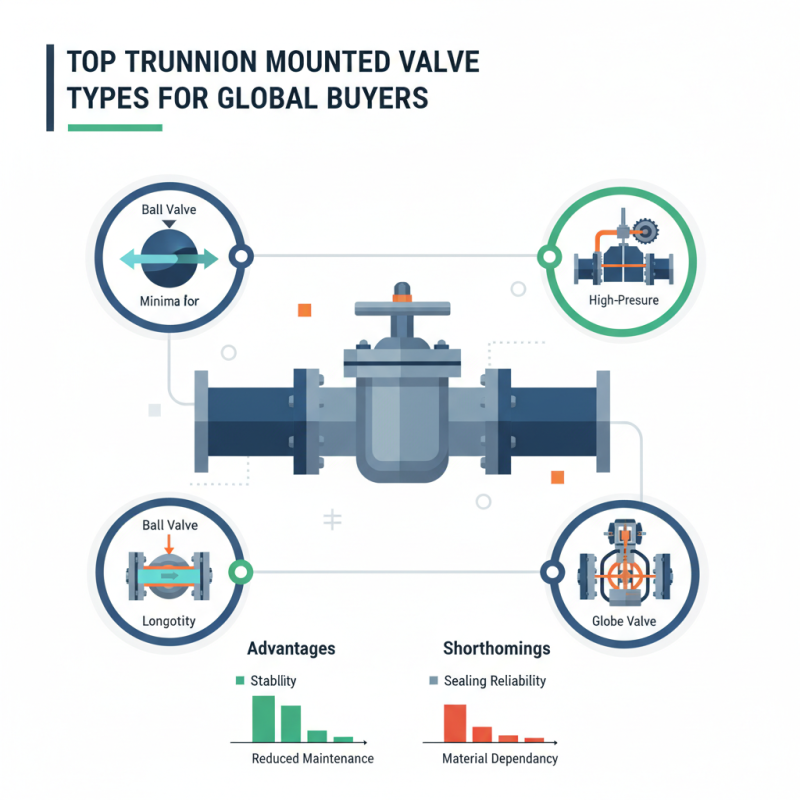
Understanding the different types of Trunnion Mounted Valves is vital for effective procurement. Each type serves specific needs, such as ball valves that offer minimal flow resistance. Additionally, these valves are designed for longevity, which reduces maintenance costs. However, not all Trunnion Mounted Valves perform equally. Factors like materials and operating conditions can influence their effectiveness.
As buyers navigate options, considering both the advantages and potential shortcomings of Trunnion Mounted Valves is essential. While they offer robust performance, issues such as sealing reliability may arise if not selected carefully. By weighing these factors, global buyers can make informed decisions that align with their operational demands.
Overview of Trunnion Mounted Valves and Their Applications
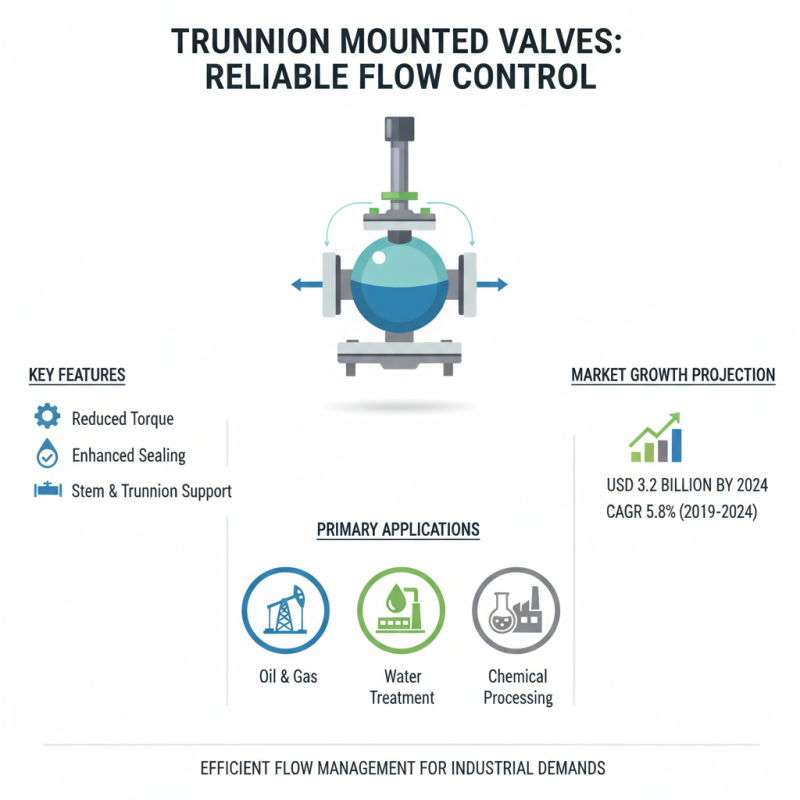
Trunnion mounted valves offer reliable control in various industrial applications. These valves are designed with the stem attached to a trunnion, ensuring reduced torque and enhanced sealing. They are widely used in sectors like oil and gas, water treatment, and chemical processing. Reports indicate that the global trunnion mounted valve market is projected to reach USD 3.2 billion by 2024, with a CAGR of 5.8%. This growth highlights the increasing demand in various industries for efficient flow management tools.
Applications of trunnion mounted valves extend beyond traditional usage. They are essential in high-pressure and high-temperature environments, often exceeding 300 psi. The reliability of these valves plays a crucial role in maintaining safety standards. However, achieving optimal performance can be challenging. Proper installation and maintenance are vital to prevent leaks and ensure operational integrity. Data shows that improper handling can lead to equipment failure and increased downtime, costing companies thousands in lost productivity.
In chemical processing facilities, for instance, trunnion valves must withstand corrosive media. Choosing the right materials for construction is critical in prolonging the lifespan of the valve. Cases of premature failures due to improper material selection are not uncommon. Thus, buyers must be diligent in assessing their specific application needs. The decision-making process should be thorough, complementing engineering expertise with reliable supplier insights.
Key Features and Advantages of Trunnion Mounted Valves
Trunnion mounted valves are essential in various industries for their reliability and enhanced performance. These valves excel in applications where high-pressure and high-temperature conditions prevail. The unique trunnion design allows for reduced friction, which translates to smoother operation. This design also supports the valve body, reducing stress and extension during operation.
One of the key advantages of trunnion mounted valves is their ability to handle larger flow rates. This feature is crucial in industries like oil and gas. Operators often appreciate that these valves maintain a stable flow while minimizing pressure drops. Furthermore, their rigid configuration improves alignment, resulting in decreased chances of failure over time.
However, some users face challenges during installation. These valves can be heavy and require precise alignment. Installation errors sometimes lead to leaks, which need careful attention. Additionally, regular maintenance is necessary to ensure optimal performance, as wear can occur due to the harsh environments they operate in. Balancing these factors is vital for achieving a reliable system.
Popular Types of Trunnion Mounted Valves for Global Markets
Trunnion mounted valves are gaining popularity in various industrial applications. Their design ensures a reliable performance under high pressure and temperature conditions. These valves consist of a shaft mounted at the top and bottom, providing stability. According to a report by Mordor Intelligence, the global trunnion mounted valve market is expected to reach USD 3 billion by 2026, growing at a CAGR of 4.5%. This growth highlights the increasing demand from industries like oil and gas, water treatment, and mining.
One popular type is the trunnion ball valve. It offers excellent sealing and can handle high flow rates. Industries are favoring these valves for their durability and reduced torque requirements. However, it's important to note that improper installation can lead to failures. Another type is the trunnion mounted gate valve, used for on/off applications. While often reliable, they can be more prone to corrosion issues. The choice between these types depends on specific operational conditions and environmental factors.
Data from Research and Markets indicates that Asia-Pacific holds a significant market share due to rapid industrialization. However, challenges like fluctuating raw material prices pose risks. Buyers must evaluate not just the type of valve, but also the suppliers' quality and service before purchase.
Top Trunnion Mounted Valve Types for Global Buyers
| Valve Type |
Material |
Size Range |
Pressure Rating |
Applications |
| Ball Valve |
Carbon Steel, Stainless Steel |
2" to 24" |
ANSI 150 to 2500 |
Oil & Gas, Water, Chemical Processing |
| Gate Valve |
Ductile Iron, Stainless Steel |
2" to 36" |
ANSI 150 to 600 |
Water Supply, Sewage, Oil & Gas |
| Check Valve |
Bronze, Stainless Steel |
2" to 24" |
ANSI 150 to 300 |
Pipelines, Hydraulics, HVAC |
| Butterfly Valve |
PVC, Stainless Steel |
2" to 30" |
ANSI 150 to 300 |
Water Treatment, Chemical Storage, Food Industry |
| Plug Valve |
Cast Iron, Carbon Steel |
2" to 12" |
ANSI 150 to 600 |
Oil & Gas, Water Waste Management |
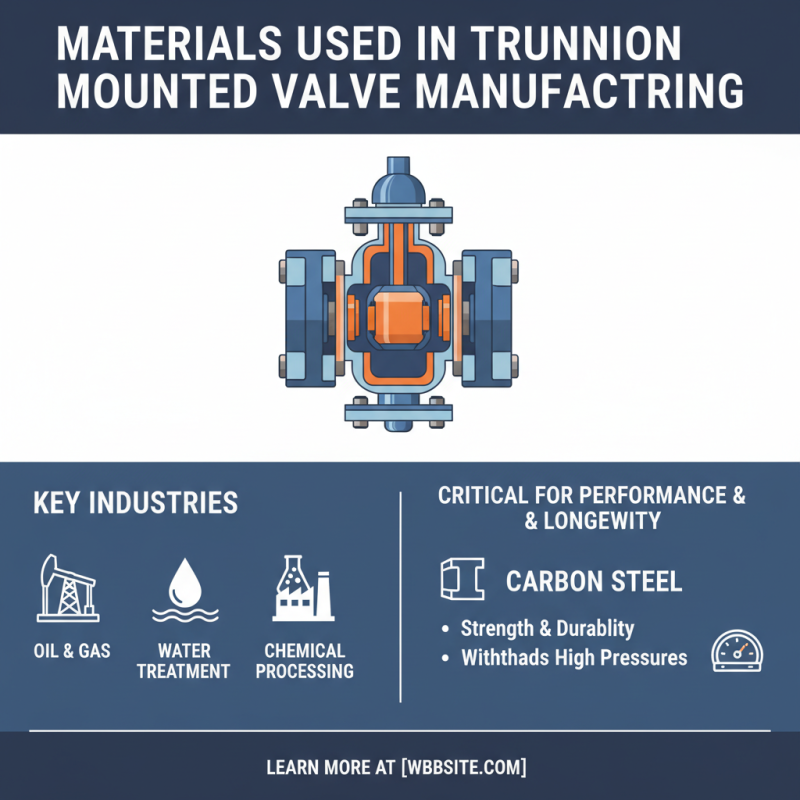
Materials Used in Trunnion Mounted Valve Manufacturing
Trunnion mounted valves are critical in various industries, including oil and gas, water treatment, and chemical processing. The materials used in their manufacturing play a significant role in performance and longevity. One widely used material is carbon steel, known for its strength and durability. Carbon steel valves can withstand high pressures, making them suitable for demanding environments.
Stainless steel is another essential material. It offers excellent corrosion resistance, especially in harsh environments. According to a report by Research and Markets, stainless steel accounted for over 30% of the valve materials market in 2022. This high percentage indicates its preference among global buyers.
In addition to carbon and stainless steel, plastic materials are gaining traction. They are lightweight and resistant to chemicals. However, they have limitations in high-pressure applications. The choice of material is vital for achieving the desired valve performance. Material selection can influence the lifetime and maintenance frequency of valves. This brings us to consider environmental factors as well, which may affect material durability. Balancing these elements is crucial for optimal operation.
Guidelines for Selecting the Right Trunnion Mounted Valve
When selecting trunnion mounted valves, key factors must be considered. The type of application plays a critical role. Consider the medium being transported. Is it corrosive or non-corrosive? Understanding the operational environment is essential for durability and performance.
Another aspect involves the size and pressure requirements of the system. Trunnion mounted valves often handle higher pressures and larger flows. Ensure compatibility with existing system designs. The materials used in valve construction significantly affect longevity and reliability. Common materials include stainless steel and carbon steel, each offering unique benefits and drawbacks.
It’s also important to think about maintenance needs. Some valves require more frequent inspections and servicing. Choosing a valve that demands less downtime can enhance operational efficiency. Review the manufacturer's specifications carefully and consult with industry experts for informed decisions.