2026 Top Pneumatic Operated Ball Valve Buying Guide?
In the realm of industrial automation, the choice of valves can significantly impact efficiency and safety. The "Pneumatic Operated Ball Valve" is a critical component in various applications, offering quick response times and reliable performance. Experts like John Sanders, a seasoned engineer in fluid control systems, emphasize its importance: "Selecting the right pneumatic valve can mean the difference between smooth operations and costly downtimes."
As industries evolve, understanding the nuances of pneumatic valves becomes essential. The market features countless options, making the selection process daunting. Variations in design, materials, and actuator types can lead to considerable confusion. Yet, a well-informed decision can enhance productivity and reduce maintenance costs.
Pneumatic Operated Ball Valves stand out due to their functional versatility. They can effectively regulate flow and withstand high pressures. However, buyers often overlook crucial factors that can affect long-term performance. It's vital to carefully evaluate manufacturers and seek valves that ensure reliability. Ultimately, investing time in research pays off with enhanced operational efficiency and reliable systems.
Understanding Pneumatic Operated Ball Valves: Basics and Benefits
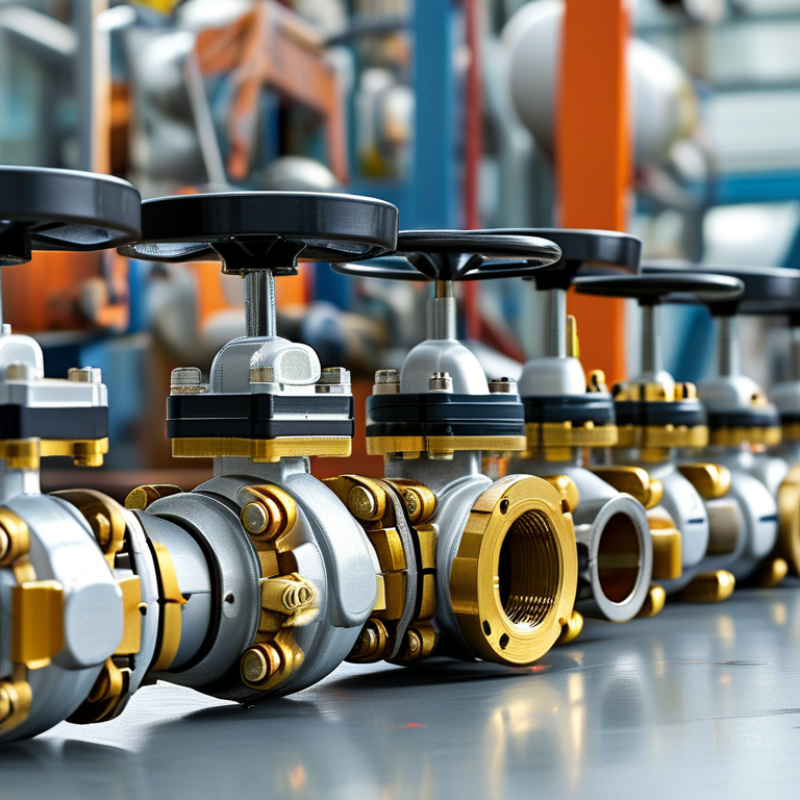
Pneumatic operated ball valves play a critical role in modern industrial applications. They utilize pressurized air to control the flow of liquids and gases with precision. Industry experts predict a steady rise in demand, with a projected growth rate of 5.2% from 2021 to 2026. This reflects their increasing adoption in sectors such as oil and gas, chemicals, and water treatment.
One of the primary benefits of pneumatic operated ball valves is their speed. They can operate significantly faster than manual valves. This speed is crucial in processes requiring quick reaction times. Additionally, these valves are known for their durability. They can withstand high pressures and extreme temperatures, making them reliable in challenging environments.
Tip: When selecting a pneumatic operated ball valve, consider the material compatibility with the fluid being transported. Incompatible materials can lead to premature failure.
It's essential to consider maintenance needs as well. Some pneumatic systems require regular checks to ensure optimal performance. Yet, many users overlook this aspect. A lack of regular maintenance may lead to unexpected downtime, impacting productivity.
Tip: Implement a scheduled maintenance plan. This can extend the life of your valve and prevent costly repairs. An informed choice can optimize your operation and enhance efficiency.
Key Features to Consider When Buying Pneumatic Operated Ball Valves
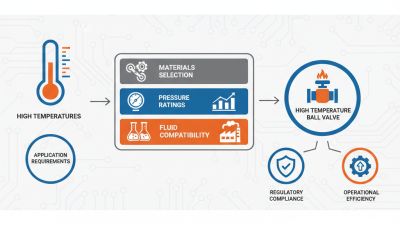
When choosing pneumatic operated ball valves, several key features require careful consideration. The material of the valve is crucial. Options include stainless steel, brass, and plastic. Each material offers different durability and resistance characteristics. For high-pressure systems, stainless steel might be preferred. Meanwhile, brass can be a cost-effective choice for lower pressures.
Another important aspect is the valve size. Ensure the diameter matches your system's specifications. Mismatched sizes can lead to inefficiencies in flow and performance. The actuator type should also be examined. Choose between single-acting and double-acting actuators based on your application needs.
Tips: Always consider the environment where the valve will be used. Factors like temperature and pressure can dramatically affect performance. Also, think about maintenance access. Regular checks can prolong the valve's lifespan.
Lastly, consider the ease of installation. Some valves may require special tools or knowledge, impacting the installation process. Always consult technical documentation for proper specifications and to avoid potential issues during operation. The cost is also a vital factor. Budget constraints might lead to compromises, but quality should not be sacrificed. Balancing cost and performance is essential.
Comparing Different Types of Pneumatic Operated Ball Valves Available
When navigating the realm of pneumatic operated ball valves, understanding the types available is crucial. These valves play a vital role in numerous industries, showcasing varied designs that suit specific needs. A notable type is the standard pneumatic ball valve, which features a simple design. This valve excels in controlling the flow of fluids efficiently. Reports indicate that this type can achieve flow rates of over 90%, making it a popular choice in many applications.
Multi-port ball valves offer another option worth considering. These valves have multiple ports, allowing for versatile connections and flow paths. They can function as either diverters or mixers, depending on the configuration. Statistics show that multi-port valves can reduce installation costs due to their multifunctionality. However, one must reflect on their complexity in terms of maintenance and potential failure points.
Additionally, specialty ball valves are available, designed for unique purposes. These may include cryogenic valves for extremely low temperatures or fire-safe valves for hazardous environments. While they provide tailored solutions, their higher costs and specialized installation requirements can be challenging. Understanding these distinctions helps in making informed purchasing decisions for pneumatic operated ball valves.
Top Brands and Manufacturers of Pneumatic Operated Ball Valves
When considering pneumatic operated ball valves, knowing the best brands is crucial. Research shows that over 50% of users prioritize reliability and durability. These factors are vital in industries like oil and gas, pharmaceuticals, and water treatment. Leading manufacturers focus on these attributes, producing valves designed to withstand extreme pressure and temperature variations.
Evaluating the market, a report from the Valve Manufacturers Association indicates a steady growth of around 5% annually in pneumatic valve sales. This signifies a growing trust in quality valves. Notable brands typically offer robust customer service and extensive product warranties. However, even top manufacturers face challenges, such as sourcing raw materials and maintaining production quality.
Understanding specific application needs is crucial. Not all pneumatic ball valves are suitable for every environment. Users must consider factors like fluid type and operating pressure. Data shows that improper selection leads to 30% of valve failures, resulting in costly downtime. This highlights the importance of comprehensive research and expert consultation in the selection process.
Maintenance Tips for Enhancing Longevity of Pneumatic Operated Ball Valves
Pneumatic operated ball valves are essential in many industrial applications. They offer reliability and efficiency. However, like all equipment, they require proper care to extend their lifespan. Regular maintenance is crucial. It helps to prevent costly breakdowns and replacements.
Inspect seals and gaskets regularly for wear and tear. Even small leaks can lead to significant issues over time. Lubrication is vital too. Use suitable grease to reduce friction. This simple step can enhance the valve's performance. It’s worth noting that many users overlook this aspect. A little attention here can lead to major improvements.
Cleaning is another key factor. Dust and debris can hinder valve operation. Schedule routine cleanings to avoid buildup. Monitoring the air supply is equally important. Ensure that the pneumatic system remains free of moisture and contaminants. Ignoring this can result in rust and operational failures. Each of these steps contributes significantly to the valve's longevity and overall effectiveness. Proper attention can lead to smoother operations and reduced downtime.