What is Metal Seated Ball Valves and How Do They Work?
Metal Seated Ball Valves are essential components in various industrial applications. They offer superior sealing capabilities and have robust construction. These valves are designed to handle high temperatures and extreme pressures. Their metal seats provide longevity and reduce wear, making them suitable for harsh environments.
In recent years, the demand for advanced valve technology has increased. Metal Seated Ball Valves stand out due to their reliability. However, selection can be challenging. Factors such as material compatibility and operating conditions must be considered. Misunderstanding these aspects can lead to significant operational issues.
As industries continue to evolve, so does the technology behind valves. Innovations aim to enhance efficiency and performance. It’s vital to stay informed about new developments. This awareness can improve decision-making processes. Ultimately, proper knowledge of Metal Seated Ball Valves empowers manufacturers to optimize their operations and take on future challenges.
What Are Metal Seated Ball Valves and Their Unique Features?
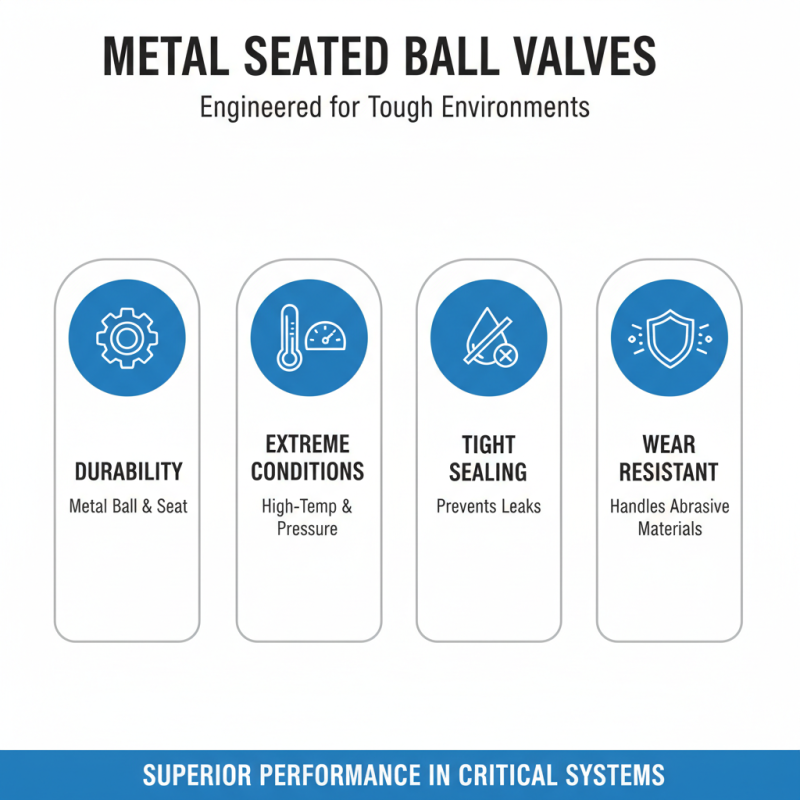
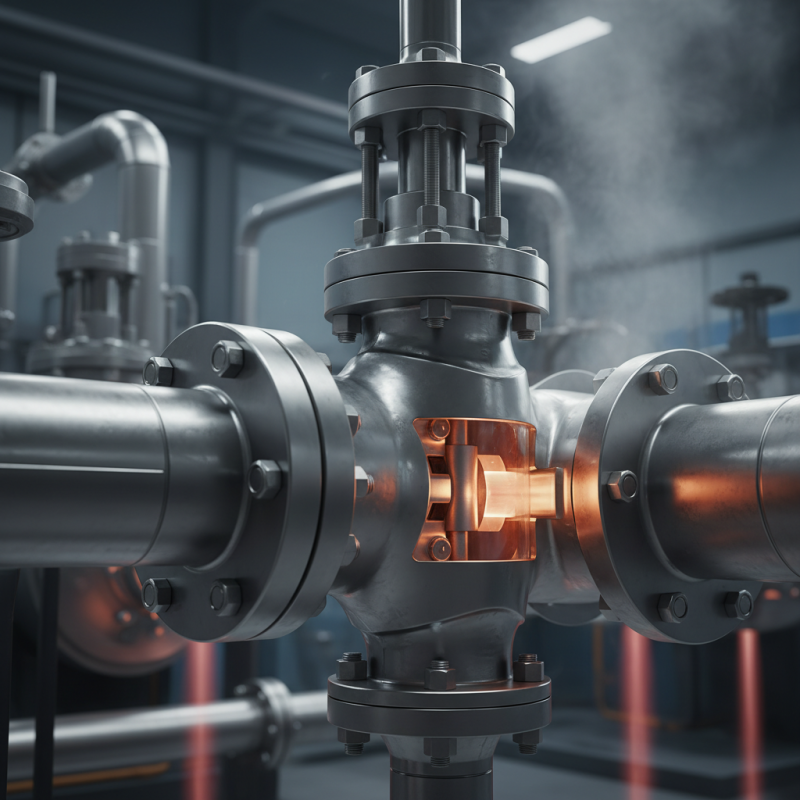
Metal seated ball valves are engineered for tough environments. They consist of a metal ball and a metal seat, offering durability. These valves excel in high-temperature and high-pressure applications. They provide tight sealing, preventing leaks in critical systems. The metal seat enhances resistance to wear. Unlike traditional soft seated valves, they can handle abrasive materials with ease.
Tips: When selecting a metal seated ball valve, consider the specific application conditions. Evaluate the temperature, pressure, and type of media. This ensures optimal performance and lifespan.
One unique feature of metal seated ball valves is their ability to self-adjust. As they operate, the metal ball can slightly deform. This process enhances the seal over time. However, this might also lead to unintended wear. Regular inspections can help monitor this factor.
Additionally, these valves are often heavier than soft seated varieties. Their weight can complicate installation. Ensure proper support and alignment during setup. Misalignment can lead to performance issues. An accurate installation process is crucial for maintaining valve integrity.
The Mechanism of Action: How Metal Seated Ball Valves Operate
Metal seated ball valves play a vital role in various industries. They are specifically designed to manage the flow of liquids and gases. Unlike traditional valves, they use metal-to-metal seating. This design allows them to withstand high pressure and temperature.
The operation of metal seated ball valves is straightforward yet effective. A spherical ball has a hole through its center. When the valve is closed, the hole is perpendicular to the flow. When turned, it aligns with the flow, allowing passage. The metal seating creates a tight seal, preventing leakage. However, wear over time can lead to improper sealing.
Regular maintenance is crucial for these valves. Sometimes, operators overlook small signs of wear. A slight drop in performance may go unnoticed. Addressing issues early can prevent major failures. The balance between durability and maintenance is delicate. Striking this balance ensures efficiency and prolongs service life.
Operation Efficiency of Metal Seated Ball Valves
Materials and Construction: Types of Metals Used in Ball Valves
Metal seated ball valves are designed for demanding applications. They employ durable materials to handle extreme temperatures and pressures. The choice of metal significantly impacts their performance and longevity.
Commonly used metals include stainless steel, carbon steel, and alloys. Stainless steel offers excellent corrosion resistance. It works well in various environments. Carbon steel provides strength but may require coatings for protection. Alloys like Inconel or Monel can withstand high temperatures. They are often preferred in chemical processes.
Construction varies based on intended use. Some valves have a hardfaced design, enhancing wear resistance. Others may feature soft seated options for different sealing needs. The balance between metal choice and design complexity can sometimes lead to challenges. Finding the right fit for a specific application is crucial. This process often reveals unforeseen issues that require careful consideration.
Applications of Metal Seated Ball Valves in Various Industries
Metal seated ball valves have crucial applications across various industries due to their durability and reliability. In the oil and gas sector, these valves handle high pressures and temperatures effectively. According to a recent market report, the global oil and gas pipeline market is projected to reach $16.5 billion by 2024. This growth drives the demand for robust sealing solutions, making metal seated ball valves a preferred choice.
In the chemical processing industry, safety and efficiency are paramount. Metal seated ball valves can manage corrosive materials under extreme conditions. Research indicates that about 25% of process interruptions stem from valve failures. Using these valves reduces such risks. However, installation and maintenance require careful planning. Mishandling can lead to costly repairs.
Water treatment facilities also benefit from metal seated ball valves. They offer excellent performance in systems dealing with slurry and abrasive materials. Studies show that upgrading to these valves can improve system longevity by 30%. Nevertheless, their higher initial cost may deter some operators. Balancing budget constraints with performance needs is a common challenge in procurement decisions.
What is Metal Seated Ball Valves and How Do They Work? - Applications of Metal Seated Ball Valves in Various Industries
| Industry |
Application |
Operating Temperature (°C) |
Pressure Rating (bar) |
Material Used |
| Oil and Gas |
High-pressure fluid transfer |
-50 to 200 |
70 |
Stainless Steel |
| Chemical Processing |
Corrosive fluid handling |
-40 to 150 |
50 |
Hastelloy |
| Water Treatment |
Slurry and flow control |
0 to 100 |
35 |
Carbon Steel |
| Power Generation |
Steam and gas control |
-10 to 300 |
100 |
Alloy Steel |
| Mining |
Mineral slurry handling |
-20 to 120 |
45 |
Chromoly Steel |
Advantages and Limitations of Metal Seated Ball Valves Compared to Others
Metal seated ball valves are gaining popularity in various industries due to their unique advantages.
These valves can handle extreme temperatures and pressures. They are often used in oil and gas applications, where reliability is crucial.
Industry reports indicate that metal seated valves operate effectively in temperatures ranging from -196°C to 540°C.
Their durability makes them suitable for harsh conditions.
One significant advantage is their extended lifespan compared to soft seated valves.
Metal seated valves can endure more abrasive fluids, resulting in lower maintenance costs.
According to the Fluid Control Association, these valves require 30% less maintenance than traditional alternatives.
However, they are not entirely free from drawbacks.
The seats can experience wear over time, which can lead to leakage. Also, they may not provide a perfect seal at lower pressures.
Cost is another consideration. Metal seated ball valves generally have a higher initial investment. This can be a barrier for smaller operations.
Users must weigh these costs against long-term benefits.
While they offer excellent performance in demanding environments, they might not be the best choice for every application.