How to Install a Double Ball Valve for Efficient Fluid Control
In the realm of fluid control systems, the choice of valves plays a crucial role in ensuring efficiency and reliability. Among the various options available, the Double Ball Valve stands out due to its unique design and operational benefits. This type of valve utilizes two balls to regulate flow, allowing for excellent sealing capabilities and minimal leakage. As industries increasingly seek out ways to optimize their processes, understanding how to install a Double Ball Valve becomes essential for achieving effective fluid management.
Proper installation of a Double Ball Valve not only enhances system performance but also contributes to safety and durability. When implemented correctly, it can facilitate smooth transitions in flow direction and provide robust shut-off capabilities. This introduction will guide you through the step-by-step process of installing a Double Ball Valve, highlighting key considerations and best practices to ensure optimal functionality. By mastering the installation techniques outlined in this guide, you can significantly improve your fluid control systems and enhance operational efficiency.
Understanding the Functionality of Double Ball Valves
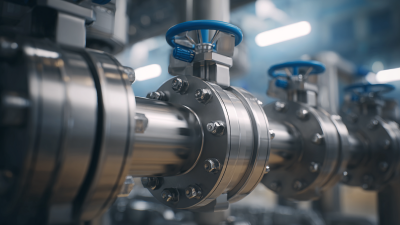
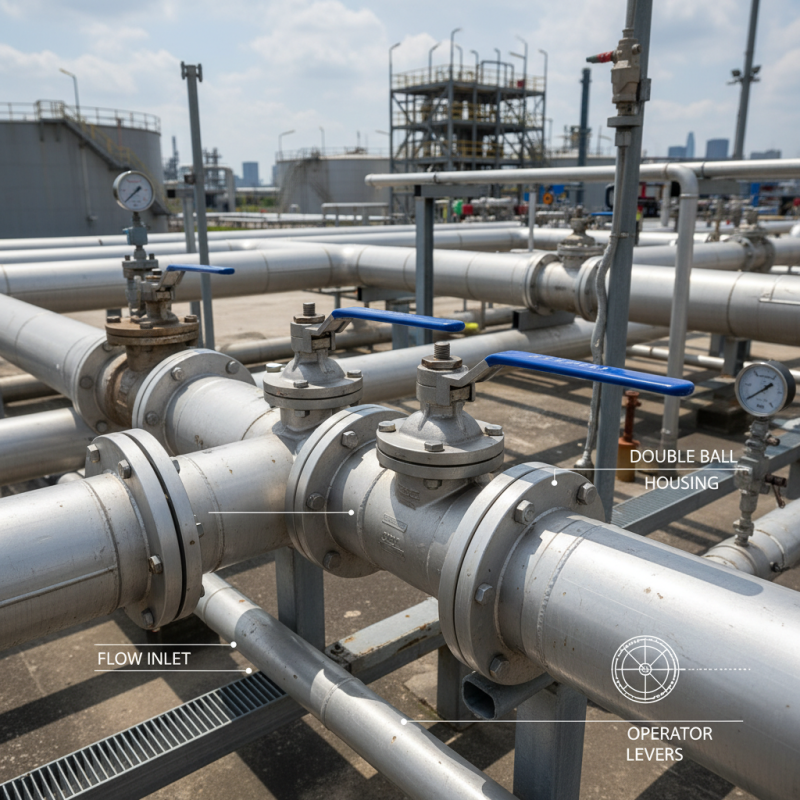
Double ball valves are essential components in fluid control systems, offering robust performance and reliable operation. Their design features two spherical discs that can be rotated to either allow or block fluid flow, making them highly efficient for regulating various fluids in industrial applications. The functionality of double ball valves hinges on their ability to provide a tight seal when closed, preventing any unintended leakage and ensuring optimal control over the flow rate.
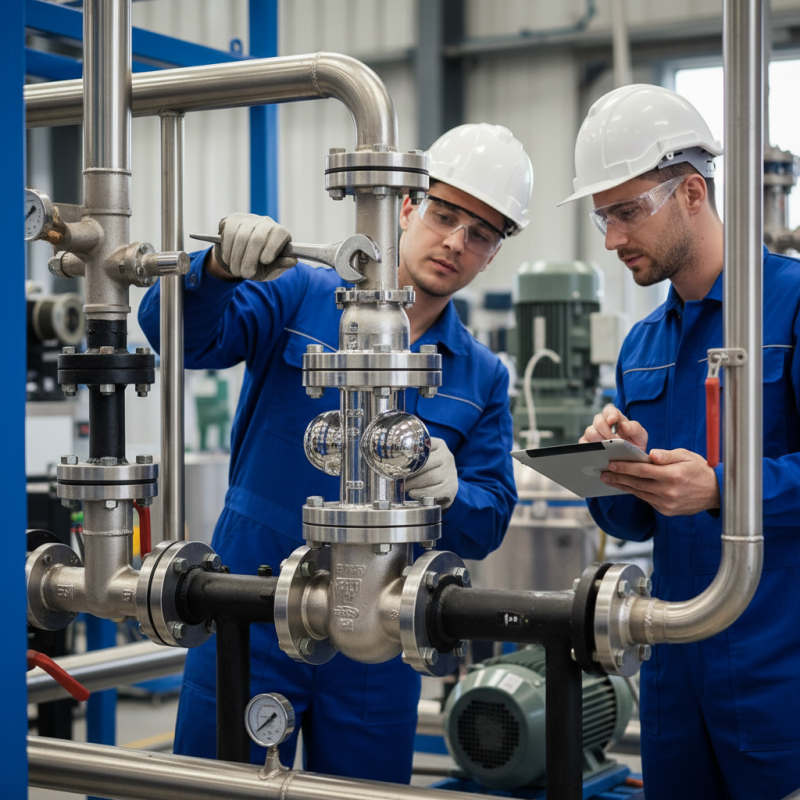
When installing a double ball valve, it’s crucial to pay attention to the orientation and alignment. Incorrect installation can lead to operational issues, such as poor sealing or mechanical failure. Tips for installation include ensuring that the valve is placed in a proper location, away from sources of vibration and extreme temperatures. Additionally, always confirm that the piping is adequately supported and aligned before securing the valve in place.
Another important aspect is the maintenance of double ball valves. Regular inspections are necessary to check for any signs of wear or damage. Tip: Use a soft cloth to remove any debris from the valve exterior and inspect for signs of corrosion or leaking. Keeping the valves clean and well-lubricated can significantly extend their lifespan and enhance their performance in fluid control scenarios.
Choosing the Right Double Ball Valve for Your Project
Choosing the right double ball valve is crucial for optimizing fluid control in various applications. Double ball valves are renowned for their reliability and ease of use, making them ideal for a wide range of industries, including oil and gas, water and wastewater treatment, and chemical processing. According to recent reports from the Flow Control Institute, improper valve selection can lead to operational inefficiencies, resulting in up to 20% increased maintenance costs and decreased system reliability. Therefore, understanding the specific requirements of your project is vital for selecting the appropriate valve.
When choosing a double ball valve, consider critical factors such as the media type, pressure ratings, and the valve's size. For instance, selecting a valve that can withstand the chemical properties of the media being transported is equally important as ensuring that it meets the necessary pressure and temperature specifications. Additionally, compatibility with existing piping systems can significantly impact installation and future maintenance. A comprehensive assessment of these factors can enhance system performance and longevity.
**Tips:** Always consult technical specifications and seek expert advice if you're unsure about the compatibility of a valve with your application. Regular maintenance checks can also extend the life of your valves and ensure they operate efficiently. If your project requires high precision, consider valves that are designed for tight shut-off capabilities, which can minimize leakage and enhance overall system control.
Tools and Materials Needed for Installation
When preparing to install a double ball valve for efficient fluid control, gathering the right tools and materials is crucial for a successful installation. First, you'll need a pair of adjustable wrenches to secure the valve in place without damaging the fittings. Additionally, a pipe cutter will help you achieve a clean cut when preparing the pipe sections for installation. Other essential materials include Teflon tape for sealing threads, a utility knife for any necessary adjustments, and safety goggles to protect your eyes during the process.
Tips: Before starting your installation, it’s advisable to thoroughly inspect the area where the valve will be placed. Ensure there are no leaks in the existing piping, as this can complicate the installation process. Furthermore, having a towel or rag on hand can assist in quickly addressing any small spills that may occur when disconnecting old components.
Another important tool to consider is a level. Ensuring that the valve is installed straight will help prevent future operational issues and extend its lifespan. If your installation requires fittings or additional piping, having a pipe wrench nearby will aid in tightening these connections efficiently. Always remember to read through any provided installation guidelines for specific requirements pertaining to your valve type.
Fluid Control Efficiency Analysis Using Double Ball Valves
Step-by-Step Procedure for Installing a Double Ball Valve
Installing a double ball valve can significantly enhance fluid control in various systems. Begin by gathering the necessary tools and materials, including the double ball valve, wrenches, teflon tape, and a pipe cutter. Safety precautions should be taken; ensure that the system is depressurized and any residual fluid has been drained before starting the installation.
Next, carefully measure and prepare the piping where the valve will be installed. Cut the pipe to the required length if necessary, and clean the ends to avoid any contaminants. Apply the teflon tape to the threads of the valve for a secure seal. Position the double ball valve between the two pipe sections, ensuring that the flow direction indicator is aligned properly. Use the wrenches to tighten the connections, being careful not to overtighten as this could damage the valve or the pipes. Once everything is securely in place, check for leaks by testing the system under pressure, making adjustments as needed to ensure a leak-free operation.
How to Install a Double Ball Valve for Efficient Fluid Control - Step-by-Step Procedure for Installing a Double Ball Valve
| Step Number |
Step Description |
Tools Required |
Estimated Time |
| 1 |
Gather all necessary materials and tools. |
Wrench, double ball valve, pipe fittings |
15 mins |
| 2 |
Shut off the main water supply. |
None |
5 mins |
| 3 |
Remove existing valve if present. |
Wrench, screwdriver |
20 mins |
| 4 |
Clean the pipe ends to ensure proper sealing. |
Cleaning cloth |
10 mins |
| 5 |
Install the double ball valve in place of the old valve. |
Wrench |
15 mins |
| 6 |
Tighten the fittings securely. |
Wrench |
10 mins |
| 7 |
Turn the main water supply back on and check for leaks. |
None |
10 mins |
| 8 |
Test the valve operation. |
None |
5 mins |
Maintenance Tips for Ensuring Long-Lasting Performance
To ensure the long-lasting performance of a double ball valve, regular maintenance is key. Start by routinely inspecting the valve for any signs of wear or damage. Check for leaks around the seals and connections, as even minor leaks can lead to significant efficiency loss over time. If leakage is detected, it’s crucial to address it promptly by tightening fittings or replacing worn seals.
Cleaning is another essential aspect of maintenance. Depending on the fluid being controlled, residue can build up within the valve, affecting its functionality. Periodic flushing with an appropriate cleaning solution can prevent this buildup. Additionally, consider lubricating moving parts to facilitate smooth operation, ensuring that the valve opens and closes effortlessly without excessive force.
Lastly, create a maintenance schedule that aligns with the operational frequency of the valve. Regular checks not only extend the life of the valve but also optimize fluid control in the system. By adhering to these maintenance tips, users can maintain high levels of performance in their double ball valves and reduce the risk of unexpected failures.