Double Ball Valve Advantages for Global Buyers in China
In the competitive landscape of global industrial procurement, the significance of the Double Ball Valve cannot be overstated. Industry expert Dr. Liu Wei states, "Double Ball Valves enhance both efficiency and reliability in fluid control systems." This statement underscores the growing recognition of these valves among international buyers in China, who seek reliable solutions for their operations.
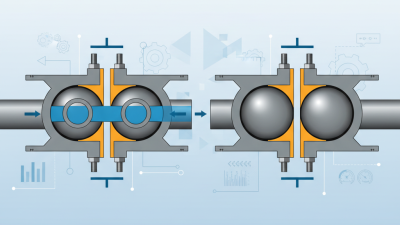
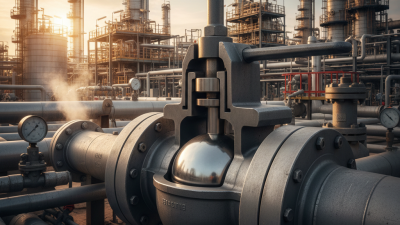
The Double Ball Valve's design features two separate balls that regulate the flow of liquids and gases with precision. This allows for a more robust performance, especially in high-pressure environments. Buyers increasingly favor these valves for their ability to minimize leaks and maintain safety. However, choosing the right supplier can be challenging, given the vast number of manufacturers in China.
While the advantages of Double Ball Valves are numerous, buyers must also consider potential drawbacks. Variations in manufacturing quality can lead to inconsistencies. It’s vital for companies to thoroughly evaluate their options and conduct due diligence before making a decision. Overall, understanding the complexities of Double Ball Valves is essential for any global buyer navigating this market.
Understanding Double Ball Valves and Their Functionality
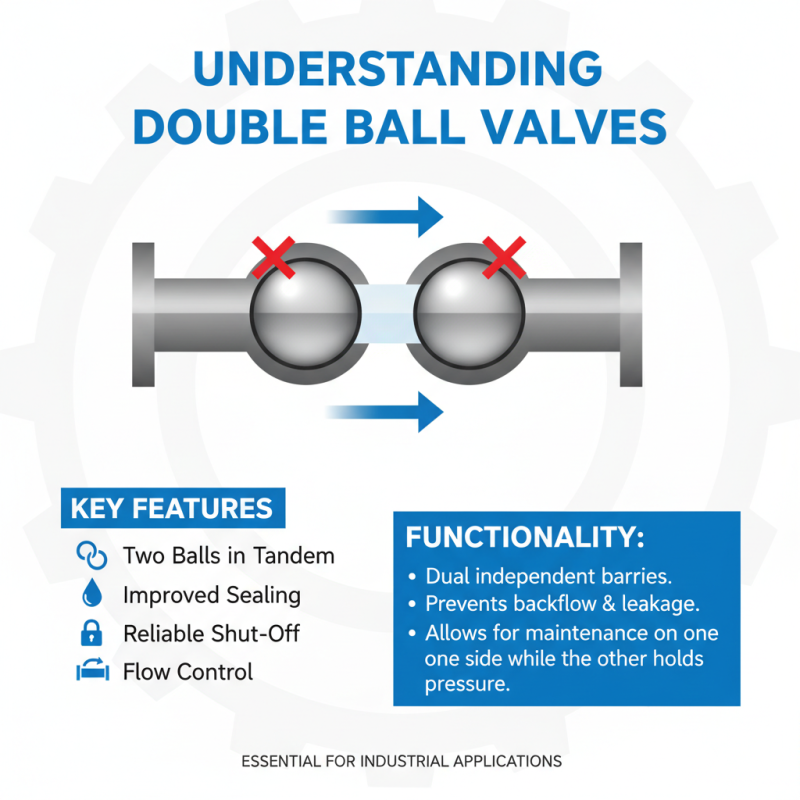
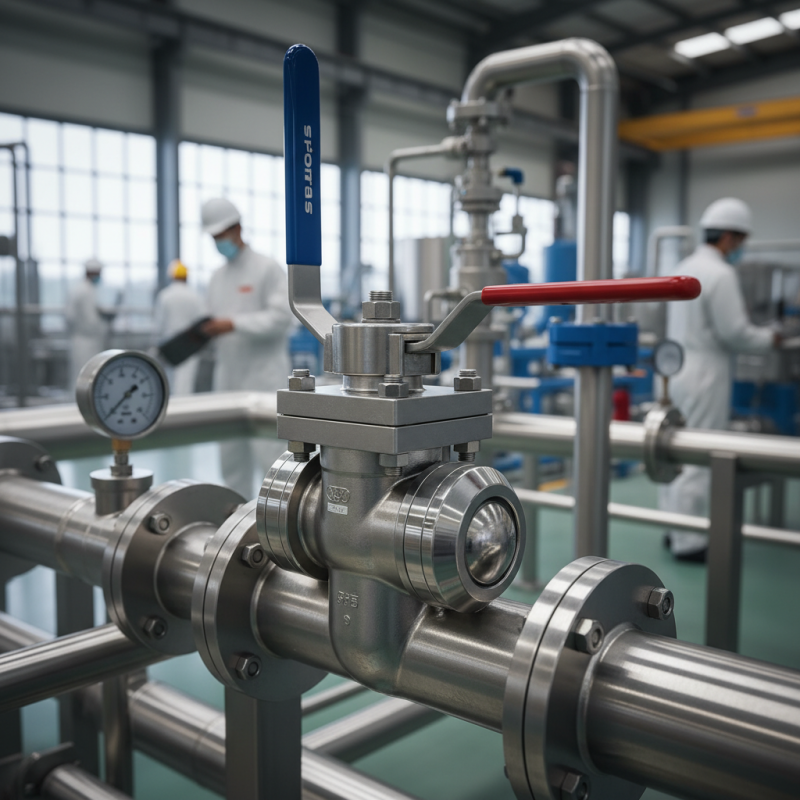
Double ball valves are essential components in various industrial applications. They are designed to provide reliable shut-off and flow control in pipelines. The functionality of these valves stems from their unique structure, which includes two balls that operate in tandem. This design allows for better sealing than traditional single ball valves.
When considering double ball valves, buyers should assess their specific needs. Installation can be complex, and expertise is required for optimal performance. While these valves offer many advantages, neglecting maintenance can lead to issues. Regular checks are necessary to ensure that the seals remain intact.
Another critical point is the materials used in valve construction. Metals and plastics each offer unique benefits. However, not all materials suit every environment. Buyers must evaluate the conditions of their systems. In some cases, the choice of material could significantly affect valve longevity and efficiency. Understanding these details can make a world of difference.
Key Advantages of Double Ball Valves for Industrial Applications
Double ball valves have gained popularity in industrial applications due to their unique design and functionality. They provide separate sealing surfaces for both the inlet and outlet, which helps to prevent leakage. A recent market analysis reported that the global valve market is expected to reach $84.96 billion by 2025, with double ball valves being a significant contributor.
One key advantage of double ball valves is their ability to handle higher pressures. According to a 2022 industry study, double ball valves can withstand pressures up to 600 psi, making them suitable for demanding environments. Additionally, their compact design reduces space requirements, making them ideal for installations in tight areas. The reduced weight compared to traditional valves can also lead to lower shipping costs.
Tip: Always consider the materials used in double ball valves. Corrosion-resistant materials can significantly enhance longevity.
Another significant benefit is their ease of maintenance. Unlike traditional valves, double ball valves can be serviced without needing to remove the entire unit. This feature is particularly valuable in automated environments, where downtime can lead to significant financial losses. However, improper installation can negate these advantages, highlighting the need for skilled technicians.
Tip: Regular inspections can prevent costly failures. Establish a routine maintenance schedule to ensure optimal performance.
Comparative Analysis: Double Ball Valves vs. Other Valve Types
Double ball valves provide distinct advantages in many applications, especially within challenging environments. Their design supports reliable sealing and minimizes the risk of leaks, which is crucial in industries like oil and gas. This reliability often surpasses that of traditional valves, delivering enhanced safety over time.
When compared to other valve types, double ball valves shine in specific scenarios. For example, while gate valves may offer low resistance to flow, they can suffer from wear and tear. In contrast, double ball valves feature a robust structure that withstands higher pressures and temperatures. However, their complexity can lead to challenges during installation and maintenance.
The choice between valve types often hinges on operational needs. Double ball valves require careful consideration due to their unique features. While they perform exceptionally in specific tasks, users must be aware of potential installation difficulties and the need for skilled technicians. Thorough knowledge is essential for anyone looking to utilize these valves effectively.
Market Trends: Global Demand for Double Ball Valves in China
The global demand for double ball valves has been steadily rising as industries look for reliable and efficient solutions. According to a recent market research report, the double ball valve market is expected to grow at a CAGR of around 5.2% from 2023 to 2028. This growth signifies the increasing reliance on these valves in sectors such as
oil and gas, water management, and chemical processing.
In China, numerous manufacturers contribute to this booming market by offering high-quality products. The competitive landscape is noteworthy, with a mix of established players and emerging companies.
Advanced manufacturing techniques and stringent quality standards ensure that these products meet international requirements.
The versatility of double ball valves is key; they are engineered to prevent leaks and minimize maintenance. However, challenges persist. Not all suppliers maintain the same level of quality, which can lead to inconsistencies in performance and safety.
Moreover, the integration of automation and smart technologies is reshaping the landscape. A report suggests that interconnected valve systems improve operational efficiency and data tracking. Such innovations are essential, yet they also require thorough evaluation.
Buyers must navigate these trends carefully to make informed decisions.
As the market evolves, the demand for double ball valves in China reflects a greater commitment to durability and reliability, framing a complex but fascinating industry narrative.
Considerations for Purchasing Double Ball Valves in International Markets
When purchasing double ball valves in international markets, several considerations arise.
Quality is paramount.
Buyers should inspect valves for durability and resistance to corrosion.
In industries where fluids are handled, these valves must ensure a tight seal.
A lack of attention to this detail can lead to costly leaks or failures.
Another factor is the sourcing process.
Working with credible manufacturers matters.
Proper certifications and industry standards demonstrate a company’s commitment to quality.
Buyers should also evaluate shipping details.
Long lead times can slow down projects.
Lastly, understanding cultural nuances can improve communication.
Engaging local experts can provide insights that enhance purchasing decisions.
Pricing remains a critical issue.
Competitive pricing should not compromise quality.
Buyers may notice a wide range of prices.
Higher rates might suggest better materials, but not always.
Research is essential.
Sometimes, lower prices can lead to hidden costs in maintenance and repairs.
Ensure thorough evaluations to avoid financial pitfalls.