Top Tips for Choosing the Right Wafer Ball Valve?
Choosing the right Wafer Ball Valve is crucial for ensuring optimal performance in various applications. According to John Smith, an industry expert with over 20 years of experience, "Selecting the right valve can save you time and money." His insight highlights the importance of making informed choices.
Wafer Ball Valves offer distinct advantages, including compact design and reduced weight. However, not all wafers are created equal. Understanding the specifications, such as material compatibility and pressure ratings, is essential. Many users overlook these aspects, which can lead to costly failures down the line.
When deciding on a Wafer Ball Valve, consider your system requirements carefully. Look for trusted manufacturers who provide detailed product information. Remember, making a rushed decision might lead to regrets later. Each valve has its unique features, and identifying the proper fit for your needs can make a significant difference.
Understanding Wafer Ball Valves and Their Applications
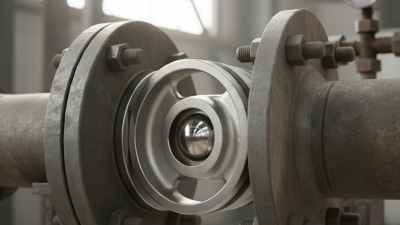
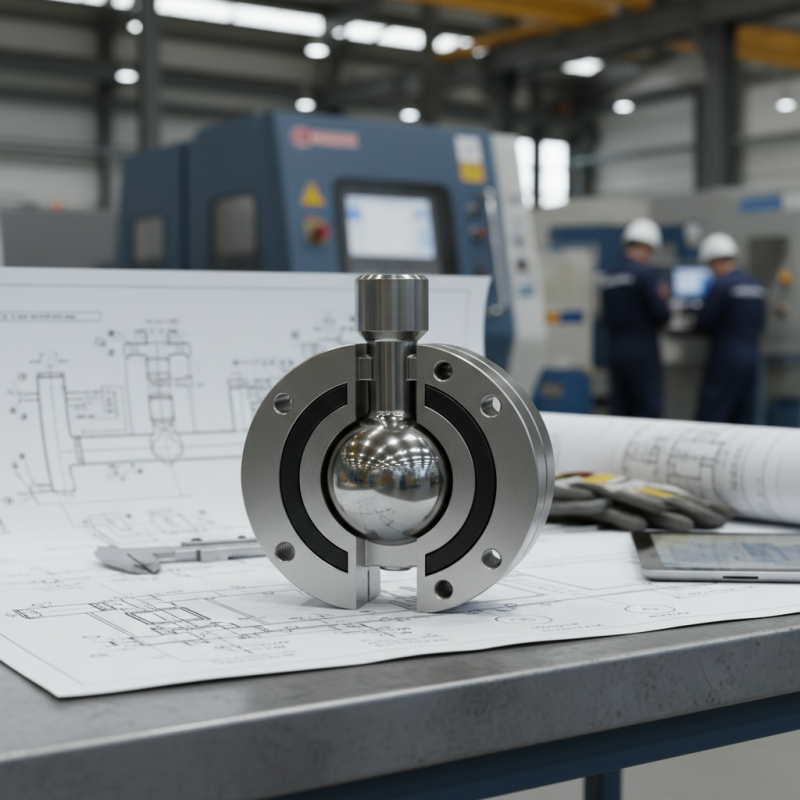
Wafer ball valves are essential in various industries, from water treatment to oil and gas. They are designed for easy installation between flanges, reducing the need for support structures. This design makes them lighter and more compact than other valve types, which is beneficial in tight spaces. Their ability to handle both low and high-pressure environments adds to their versatility. Understanding their construction and function can significantly improve your operations.
The applications of wafer ball valves extend beyond just flow control. They perform well in corrosive environments, and their seal performance minimizes leakage. However, it's important to choose the right materials for specific applications, as mismatched materials can lead to failure. Always consider the fluid type, temperature, and pressure when selecting a valve. Sometimes, testing and refinement are needed to ensure optimal performance, especially if you’re in a demanding environment.
Key Factors to Consider When Selecting a Wafer Ball Valve
When selecting a wafer ball valve, several key factors must be considered.
Product durability is crucial.
The materials used in construction play a vital role in the valve's longevity. According to industry reports,
valves made from stainless steel can offer improved
resistance to corrosion. This durability can lead to lower maintenance costs in the long term.
Flow characteristics are another critical aspect. The valve's design impacts how efficiently
it can allow fluid flow. Studies indicate that a properly designed wafer ball valve can minimize pressure drops.
This is significant for energy savings in large systems.
Traditional valves often have a higher pressure drop, leading to increased operational costs.
Moreover, size and compatibility should not be overlooked.
Ensuring the valve fits seamlessly within existing piping systems is essential. Misalignment can cause inefficiencies,
and fitting issues can lead to costly repairs. Data shows that nearly 30%
of valve failures stem from size discrepancies. Therefore, precise measurements and compatibility checks
are necessary to avoid such pitfalls.
Material Selection for Durability and Compatibility
When selecting a wafer ball valve, material choice plays a crucial role in ensuring durability and compatibility. Common materials include stainless steel, carbon steel, and various polymers. According to industry reports, valves made from high-grade stainless steel exhibit significant resistance to corrosion, making them ideal for harsh environments. In fact, 70% of professionals recommend stainless steel for applications in chemical processing.
Consideration of temperature and pressure ratings is also vital. For example, high-density polyethylene (HDPE) is favorable in low-pressure and temperature scenarios. Yet, it’s less effective in high-stress environments. A study highlighted that improper material selection can lead to early valve failure in up to 30% of cases. Therefore, understanding the specific application is critical to avoid costly repairs.
Another aspect involves compatibility with the fluid being handled. Certain materials may react negatively with specific chemicals. A survey indicated that nearly 40% of failures stem from material incompatibility. Regular testing and consulting with experts can enhance reliability. Always evaluate the long-term implications of material performance in your specific use case. Ultimately, informed decisions can prevent significant operational setbacks.
Durability and Compatibility of Wafer Ball Valve Materials
This chart illustrates the durability ratings of various materials commonly used in wafer ball valves. Selecting the right material is crucial for ensuring the valve's longevity and compatibility with different media.
Sizing and Pressure Ratings for Optimal Performance
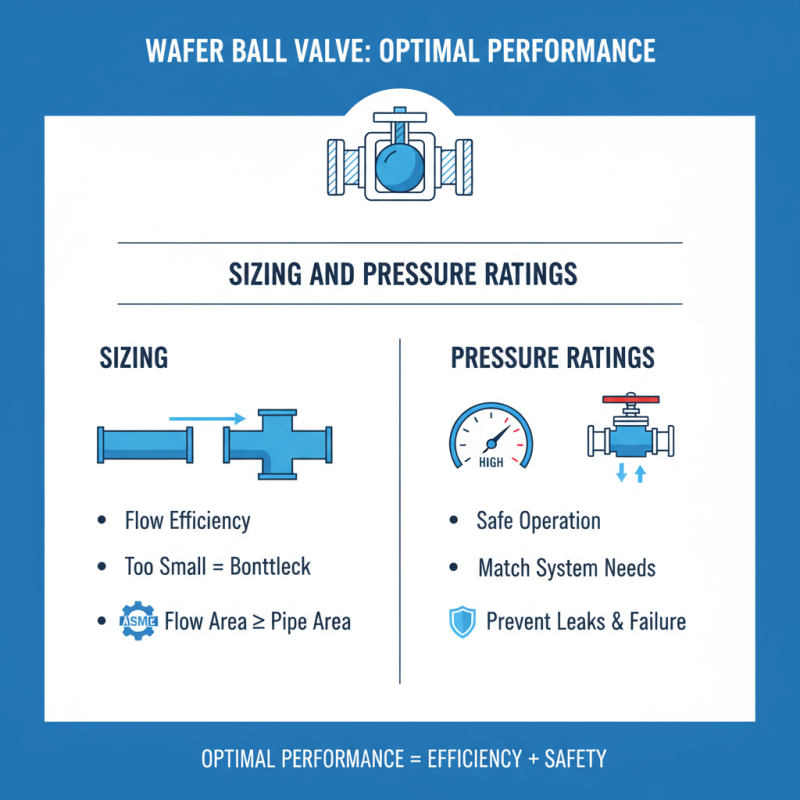
Choosing the right wafer ball valve requires careful consideration of sizing and pressure ratings. Sizing is critical because it directly impacts flow efficiency. Valves that are too small can cause bottlenecks, leading to reduced performance. According to the American Society of Mechanical Engineers (ASME), a minimum flow area should equal the pipe's area to allow optimal performance.
Pressure ratings also play a vital role. Selecting a valve with a lower pressure rating than the application's requirements can lead to catastrophic failures. For example, in industries that handle high-pressure systems, such as oil and gas, valves must withstand pressures exceeding 600 psi. Data from the International Society of Automation highlights that inadequate pressure ratings contribute to 30% of valve failures.
Moreover, evaluating connection types is essential. Flanged or welded ends may suit one application, while socket welds suit another. Each connection type has different strength characteristics. Ignoring these nuances can lead to costly inefficiencies. It’s important to regularly review performance data and ensure that the valve specifications match the operational requirements of the system. This approach aids in maintaining safety and longevity in industrial applications.
Installation and Maintenance Tips for Longevity
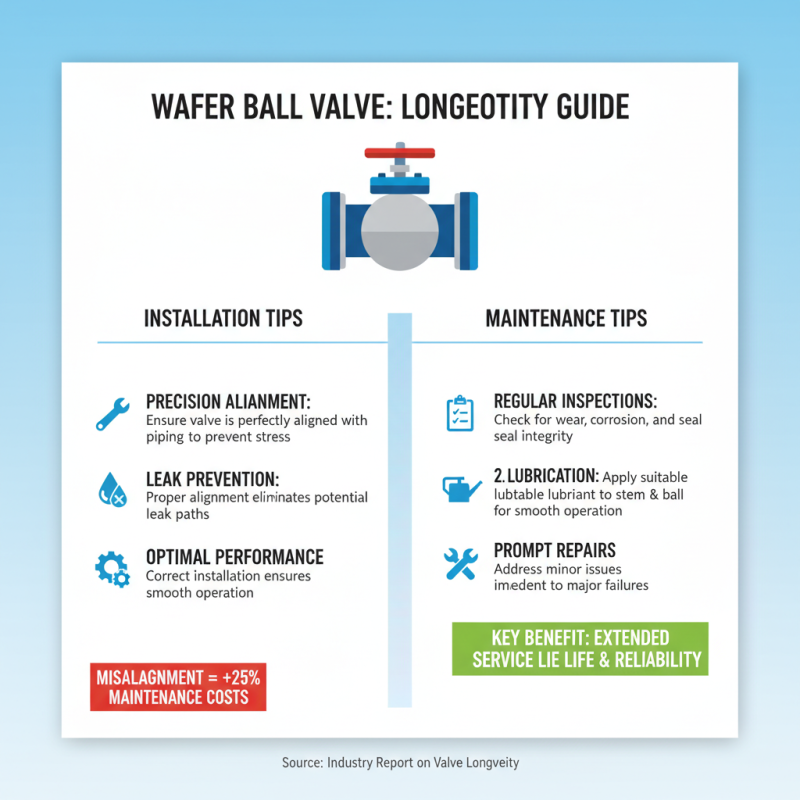
When it comes to installing wafer ball valves, attention to detail is crucial. Proper installation ensures optimal performance. It’s essential to align the valve correctly with the piping system. Misalignment can lead to leaks or mechanical failures, necessitating costly repairs. According to an industry report, improper installation can increase maintenance costs by up to 25%.
Regular maintenance is key for longevity. Operators should inspect valves frequently for corrosion or wear. A study from a leading engineering firm highlights that 40% of valve failures stem from inadequate maintenance practices. Keeping the seals clean and replacing worn parts can enhance valve lifespan significantly. It’s wise to develop a routine schedule for these checks.
However, technicians must also be mindful of the installation environment. Extreme temperatures or aggressive media can affect valve durability. Using materials suited to the specific conditions can prevent premature wear. A failure to consider environmental factors may lead to unplanned shutdowns, impacting overall productivity. Insights from recent surveys indicate that companies prioritizing valve selection based on their service conditions experience 30% fewer operational issues.