How to Choose the Right Double Seated Ball Valve for Your Needs?
Choosing the right Double Seated Ball Valve is crucial for ensuring system efficiency and reliability. Industry reports show that over 35% of valve failures stem from improper selection. These failures can lead to costly downtime and safety hazards. According to valve expert John Smith, "Selecting a Double Seated Ball Valve that fits your specific needs is vital to maintain system integrity."
In various industries, the demand for Double Seated Ball Valves has increased significantly. For instance, the energy sector relies heavily on these valves for fluid control. They are known for their superior sealing capabilities, especially under high-pressure conditions. However, not all Double Seated Ball Valves are created equal. Manufacturers offer various materials, sizes, and pressure ratings. It can be overwhelming to navigate these options.
It's essential to evaluate your specific application before making a choice. Consider factors such as temperature, pressure, and the type of media being transported. Ignoring these details can lead to suboptimal performance. Every decision should account for potential failures and future needs. The right Double Seated Ball Valve can make all the difference. Your system’s longevity depends on this critical choice.
Understanding Double Seated Ball Valves and Their Functionality
Double seated ball valves play a vital role in fluid control systems. They are designed to provide a reliable seal and minimize leak rates. According to a recent industry report, double seated ball valves can reduce leakage by up to 90% compared to single seated designs. This attribute is crucial for industries like oil and gas, where even minor leaks can have significant financial and environmental impacts.
The functionality of double seated ball valves is focused on balancing pressure. They operate by using two seating surfaces, which allows for equal distribution of pressure on both sides of the ball. This design enhances their performance in high-pressure scenarios, making them suitable for critical applications. However, they may require careful selection to ensure compatibility with specific fluids and operational conditions.
Despite their advantages, double seated ball valves are not without challenges. Maintenance can be more complex than single seated variants. The complexity of their construction can lead to higher costs and longer downtime during repairs. Industries should consider these factors when choosing the right valve for their needs. Not every application may benefit from the advanced design, and a thorough assessment is essential.
Key Factors to Consider When Selecting a Double Seated Ball Valve
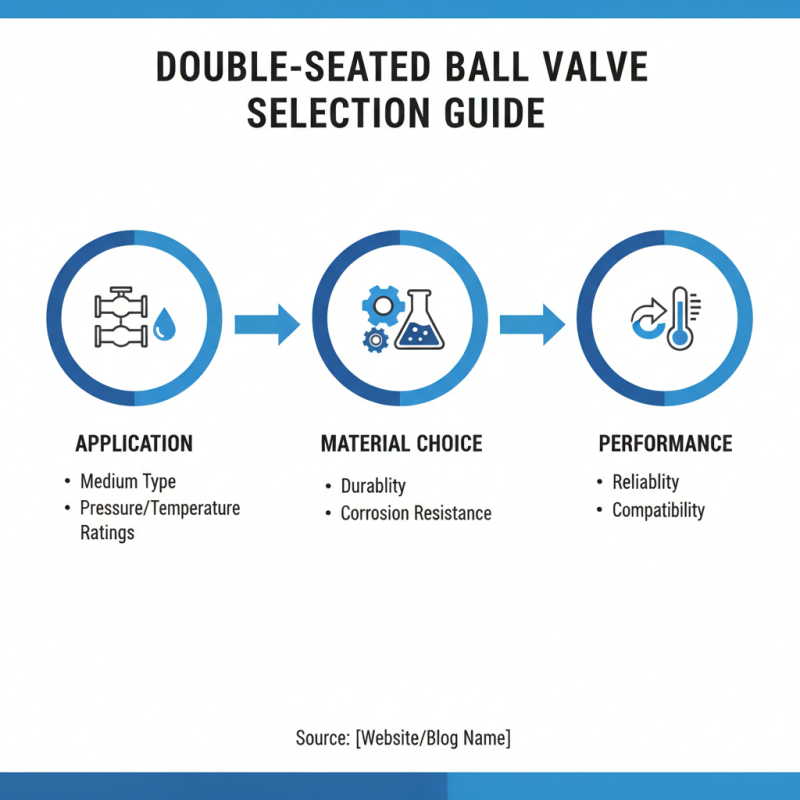
When selecting a double seated ball valve, various factors come into play. The application is paramount. Consider the medium the valve will handle. Different materials withstand different pressures and temperatures. This choice affects not just durability but also performance complications. Some valves handle high-pressure steam well but fail in corrosive environments.
Size is another crucial aspect. Ensure that the valve fits the pipeline without causing flow restrictions. A valve too large can lead to operational inefficiencies. Conversely, a small valve may not handle the required flow rate. It is vital to maintain the right balance when making this decision.
Don’t overlook the maintenance requirements. Some designs offer easy access for service, while others pose challenges. Think about the long-term implications of your choice. A valve that seems effective now may lead to headaches later. Consider feedback from industry experts, but remember that not all recommendations apply universally. Each project has unique demands, and careful evaluation is essential.
Evaluating Materials and Design for Specific Applications
Choosing the right double seated ball valve requires careful consideration of materials and design. Different applications demand different qualities. For instance, industries like oil and gas often need valves that can withstand high pressures and harsh environments. According to a recent report by the Global Valve Market, around 25% of valve failures arise from improper material selection.
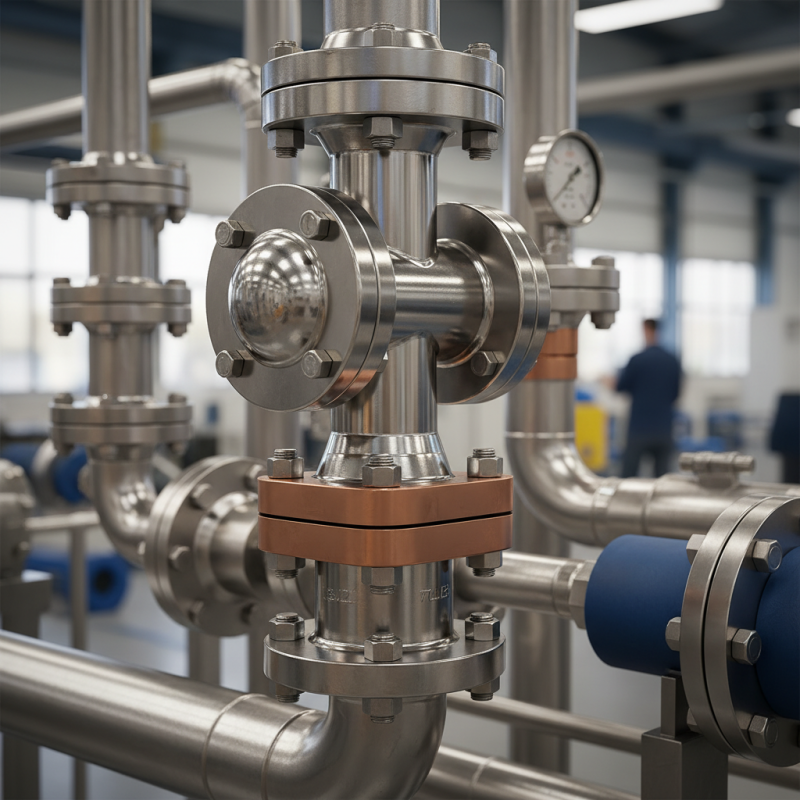
Stainless steel valves are popular for their corrosion resistance. However, they might not be the best choice for every application. In high-temperature settings, specialized materials like alloy steels are often recommended. They may perform better but can be costlier. Weight is also a factor; lighter materials can be easier to install but might compromise durability.
Design features play a crucial role too. A poorly designed valve can lead to leaks and malfunctions. According to a survey from the Valve Manufacturers Association, ineffective sealing mechanisms account for 30% of valve-related issues. Users should prioritize design simplicity without sacrificing effectiveness. Each project has unique requirements, so a one-size-fits-all solution seldom exists. Being aware of these nuances helps in making informed choices.
Material Selection for Double Seated Ball Valves
Assessing Performance Characteristics and Operating Conditions
When selecting a double seated ball valve, understanding its performance characteristics is essential. The valve's ability to handle pressure and temperature can significantly affect operational efficiency. According to recent industry data, approximately 70% of valve failures are linked to improper pressure ratings. This highlights the need for precise assessment of pressure requirements, which often vary based on system applications.
Operating conditions also play a crucial role. Many double seated ball valves are designed for specific media types. For example, valves used in the oil and gas sector must withstand aggressive fluids. The flow rates and viscosity of these media can vary widely. A study indicates that nearly 30% of valve malfunctions occur due to incompatible media. It’s imperative to match the valve material to the application's specifics, including potential corrosion or erosion risks.
A practical approach often includes testing the valve in real-world scenarios before finalizing a choice. While performance data is useful, it's important not to overlook the unique conditions of your operation. Each application presents its own challenges. Thus, continuous monitoring and adjustments may be necessary even after installation. Being proactive in understanding these factors can lead to better valve performance and a reduction in downtime.
How to Choose the Right Double Seated Ball Valve for Your Needs? - Assessing Performance Characteristics and Operating Conditions
| Valve Type |
Size (inch) |
Pressure Rating (PSI) |
Temperature Range (°F) |
Body Material |
Seal Material |
| Double Seated Ball Valve |
2 |
150 |
-20 to 250 |
Stainless Steel |
PTFE |
| Double Seated Ball Valve |
3 |
300 |
-20 to 300 |
Carbon Steel |
NBR |
| Double Seated Ball Valve |
4 |
600 |
-20 to 450 |
Alloy Steel |
EPDM |
| Double Seated Ball Valve |
6 |
150 |
-20 to 180 |
Bronze |
Silicone |
Maintenance and Longevity: Choosing a Valve for Durability
Choosing a double-seated ball valve requires attention to durability and maintenance. A durable valve can save costs and minimize downtime. Look for materials that resist corrosion. Stainless steel is often a strong choice, but not always the best option for certain chemicals.
Here are some tips. Check the valve's temperature and pressure ratings. Make sure they meet your system's requirements. A mismatched valve can lead to failures. Regular maintenance is crucial. Inspect valves for wear and tear. Monitor seals and gaskets for leaks.
Don't overlook installation. Proper installation is key to longevity. Misaligned valves can cause issues over time. Look for valves with easy access points. This will help streamline maintenance tasks. Remember, choosing a valve isn't just about initial costs; consider its lifespan and reliability. Each detail matters in ensuring optimal performance.