How to Choose the Right Duplex Ball Valves for Your Needs?
Choosing the right Duplex Ball Valves can be a challenging task. Industry expert John Rogers emphasizes, “Selecting the right valve ensures efficiency and safety in operations.” His insights underscore the importance of making informed choices. Duplex Ball Valves are essential in many industrial applications. Their unique design provides reliability and strong performance under extreme conditions.
When considering Duplex Ball Valves, it's crucial to assess your specific needs. Factors such as pressure ratings, compatibility with fluids, and size greatly affect performance. Understanding nuances in materials and configurations can make a significant difference. Some might overlook these details, leading to costly mistakes and inefficiencies.
Moreover, while many manufacturers offer similar products, quality varies. It's vital to research and consult with experts in the field. The right Duplex Ball Valves can enhance system integrity and prolong service life. However, not all choices will suit every application. Take the time to evaluate options. Making a well-informed decision will ultimately lead to better operational success and safety.
Understanding Duplex Ball Valves: Definition and Functionality
Duplex ball valves are essential in various industrial applications. These valves provide reliable operation in extreme conditions. They are designed to handle corrosive environments and high-pressure systems. Duplex stainless steel, known for its durability, contributes to the longevity of these valves. According to a recent report by MarketsandMarkets, the global valve market is expected to reach $96 billion by 2026, emphasizing the rising demand for robust valve systems.
The functionality of duplex ball valves is noteworthy. They offer high flow rates and minimal pressure drop. This ensures efficient fluid management. Duplex valves have a unique design with a quick quarter-turn operation. They also feature tight sealing capability, reducing the risk of leaks. Data from the Valve Manufacturers Association indicates that proper valve selection can significantly enhance system performance and reduce maintenance costs.
Choosing the right duplex ball valve requires understanding these characteristics. Users should evaluate their specific application needs carefully. Factors like temperature, pressure, and medium type play a crucial role in the selection process. Some users may overlook these details, leading to potential operational failures. Reflection on these choices can help in making informed decisions for better system reliability.
Key Factors to Consider When Selecting Duplex Ball Valves
When selecting duplex ball valves, there are key factors to consider. The material is crucial. Duplex stainless steel offers high corrosion resistance. Evaluate the specific environment where the valve will be used. The type of fluid and temperature range also play vital roles in your choice.
Another important factor is valve size. An improperly sized valve may lead to inefficient flow or pressure issues. Understand the requirements of your system thoroughly. If the valve is too small, it can restrict flow. On the other hand, an oversized valve may lead to unnecessary costs.
Tips: Always consult with knowledgeable professionals when making your selection. Conduct tests to ensure your choice meets operational needs. Consider maintenance requirements for long-term reliability. Regular inspections can help identify potential issues early. Choosing the right duplex ball valve is not just about picking a product; it’s about ensuring operational efficiency.
Key Factors to Consider When Selecting Duplex Ball Valves
This chart illustrates the key factors to consider when selecting duplex ball valves along with their importance ratings on a scale of 1 to 10. Material Compatibility ranks the highest, underscoring its significance in ensuring the valve's performance in various applications.
Material Selection: Choosing the Right Composition for Your Needs
When selecting duplex ball valves, material composition plays a crucial role in performance and longevity. Duplex stainless steel, known for its high strength, corrosion resistance, and ability to withstand high temperatures, is often favored in demanding environments. Its unique microstructure combines austenitic and ferritic properties, making it a reliable choice in various applications. However, it’s essential to consider the specific needs of your project. Some environments may require alternative materials, such as carbon steel or specialized alloys, for optimal function.
The application environment significantly influences material selection. For instance, exposure to aggressive chemicals may dictate the use of higher-grade materials. It's important to assess the temperature and pressure conditions your valves will endure. Overlooking these factors can lead to premature failure. Additionally, it’s worth noting that improperly selected materials can cause leaks or operational inefficiencies.
Consider conducting a thorough analysis of your specific application needs before making a decision. This critical step can prevent future headaches and additional costs. Choosing the right composition requires careful thought and expertise.
Evaluating Pressure and Temperature Ratings for Duplex Ball Valves
When selecting duplex ball valves, understanding pressure and temperature ratings is crucial. These factors directly affect valve performance and longevity. Duplex stainless steel offers excellent resistance to corrosion, making it suitable for extreme conditions. Many reports indicate that these valves can handle pressures up to 4,500 psi and temperatures exceeding 600°F in specific applications.
It's essential to consult applicable industry standards while evaluating these ratings. For instance, the ASME B16.34 standard provides guidelines on pressure-temperature ratings for valves. However, real-world applications often reveal discrepancies. Some users report failures at pressures lower than anticipated due to manufacturing variances. Proper testing and validation of the valve specifications against the specific operational conditions are vital.
Furthermore, consider environmental and operational factors that could impact valve performance. High temperatures may affect seal integrity, while fluctuating pressures can lead to stress and fatigue. Performance data suggest that maintaining consistent operating conditions typically enhances valve reliability. Yet, achieving this consistency can be challenging, especially in dynamic systems. Careful assessment and selection criteria for duplex ball valves are necessary.
Applications of Duplex Ball Valves in Various Industries
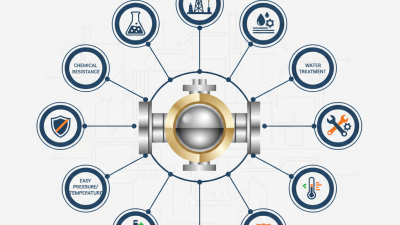
Duplex ball valves play a crucial role in many industries. They are known for their durability and resistance to corrosion. These attributes make them ideal for applications in oil and gas, chemical processing, and water treatment facilities. In oil and gas, duplex valves ensure reliable flow control under high-pressure conditions. In chemical processing, they safely handle aggressive fluids, where material integrity is key.
When selecting duplex ball valves, consider the specifics of your industry. Assess the operating pressure, temperature, and the types of fluids involved. This ensures correct valve selection for efficiency and safety. It's also important to consult industry guidelines and standards that pertain to your application.
Tips: Always check the certifications of the valves you consider. Reliability often stems from proven industry standards. Think about maintenance needs too. Regular inspections can prevent costly failures down the line. Look for valves that offer easy access for servicing. This proactive approach can save you time and ensure continuous operations.
How to Choose the Right Duplex Ball Valves for Your Needs?
| Industry |
Application |
Material Compatibility |
Pressure Rating |
Temperature Range |
| Oil & Gas |
Pipeline Isolation |
Carbon Steel, Duplex Stainless Steel |
Class 150 - 2500 |
-50 to 180 °C |
| Chemical Processing |
Fluid Control |
Duplex Stainless Steel, PTFE |
Class 150 - 600 |
-20 to 120 °C |
| Water Treatment |
Flow Regulation |
316 Stainless Steel, Duplex |
Class 150 - 300 |
0 to 80 °C |
| Food & Beverage |
Sanitary Processes |
304 Stainless Steel, Duplex |
Class 150 |
-10 to 100 °C |
| Marine |
Sea Water Applications |
Duplex Stainless Steel |
Class 150 - 300 |
-20 to 70 °C |