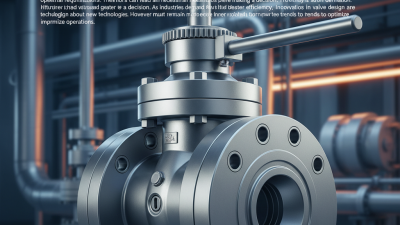
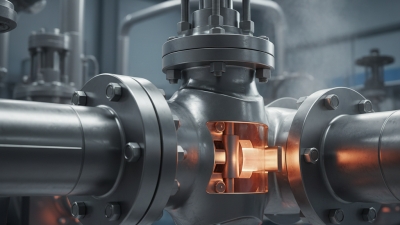
Why Choose Duplex Ball Valves for Your Industry Needs?
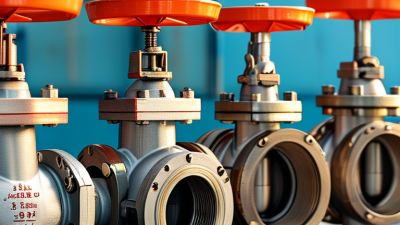
Duplex Ball Valves are transforming various industries with their durability and reliability. These valves provide essential solutions for fluid control in challenging environments. According to a recent report from the Fluid Control Institute, the demand for Duplex Ball Valves has increased by 20% annually, driven by their superior corrosion resistance and strength. They are especially vital in industries like oil and gas, chemical manufacturing, and water treatment.
Industry expert Dr. Helen Patterson emphasizes, "Choosing the right valve type can significantly enhance operational efficiency." Her statement resonates with many engineers who face the dilemma of selecting between standard and duplex options. Duplex Ball Valves are designed to maintain peak performance even under extreme conditions. This makes them crucial in sectors where failures can lead to substantial financial losses.
Despite their benefits, some organizations struggle with implementation. Upfront costs and the need for specialized knowledge can pose challenges. However, the long-term benefits of improved reliability and reduced maintenance costs often outweigh these initial hurdles. With Duplex Ball Valves, industries are not only investing in products but also in their operational future.
Benefits of Duplex Ball Valves in Industrial Applications
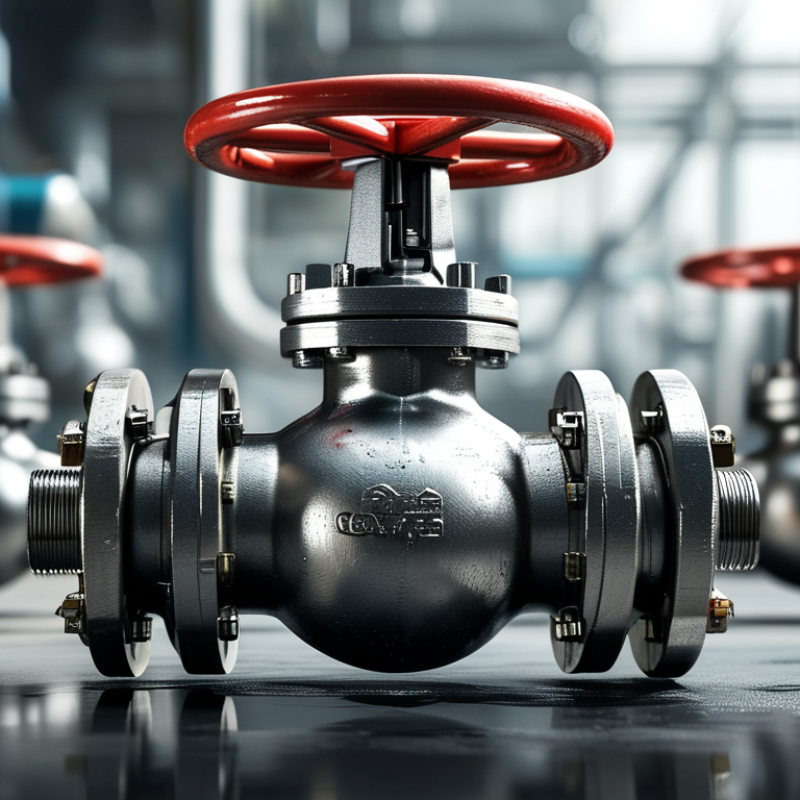
Duplex ball valves offer numerous benefits in various industrial applications. Their corrosion resistance is a significant advantage, particularly in harsh environments. This makes them ideal for industries like oil and gas, where materials face aggressive chemicals. Duplex stainless steel ensures long-lasting performance. Users can benefit from reduced maintenance costs due to this durability.
Another important benefit is the valve's ability to handle high pressures and temperatures. Duplex ball valves perform well under extreme conditions, which is crucial for many processes. This feature enhances safety and reliability in operations. Operators should consider the specific requirements of their applications when selecting valves.
Tips: Evaluate the compatibility of duplex materials with your system. Regular inspections are essential to detect any wear and tear early. Training staff on proper valve maintenance can prolong equipment lifespan. Consider historical performance data for similar applications to make informed decisions.
Key Features That Make Duplex Ball Valves Stand Out
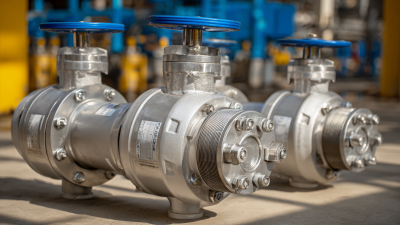
Duplex ball valves are increasingly favored in various industries due to their unique properties. These valves are made from duplex stainless steel, which offers enhanced strength and corrosion resistance. According to a recent market analysis, the demand for duplex materials has grown by over 20% annually in sectors like oil and gas, owing to their durability and longevity.
One standout feature of duplex ball valves is their high resistance to stress corrosion cracking, especially in harsh environments. Reports indicate that this property can increase the lifespan of valves by up to 50% compared to conventional materials. This makes duplex ball valves ideal for applications involving aggressive chemicals and extreme temperatures. Industries are realizing the cost benefits associated with reduced maintenance and downtime.
Another critical factor is their ability to handle high pressures. Many duplex ball valves are designed to withstand over 1000 psi, making them suitable for rigorous applications. However, the manufacturing process is complex. Ensuring quality control during production is essential. Any oversight can lead to performance issues. Industries must remain vigilant in selecting reliable suppliers to maintain safety and operational efficiency.
Why Choose Duplex Ball Valves for Your Industry Needs? - Key Features That Make Duplex Ball Valves Stand Out
| Feature |
Description |
Benefits |
| Corrosion Resistance |
Duplex materials offer superior resistance to corrosion compared to traditional stainless steels. |
Longer service life and reduced maintenance costs. |
| High Strength |
Duplex ball valves are designed to handle high pressure and extreme temperatures. |
Increased reliability in harsh conditions, minimizing the risk of failure. |
| Versatility |
Applicable in various industries, including oil and gas, chemical processing, and water treatment. |
Flexibility in applications to meet diverse industry needs. |
| Efficiency |
Quick opening and closing mechanisms minimize fluid loss and enhance operational efficiency. |
Improved flow control and reduced downtime. |
| Safety Features |
Designed with built-in safety mechanisms to prevent leaks and accidental discharges. |
Enhanced workplace safety and compliance with industry regulations. |
Comparison of Duplex Ball Valves to Other Valve Types
Duplex ball valves stand out in various industries for their unique qualities. They excel in high-pressure and corrosive environments, where traditional valve types may fail. Their robust construction ensures longevity and reliability. In contrast, other valves, like gate and globe valves, might struggle under such conditions. The risk of leakage and maintenance issues can be higher with those options.
The efficiency of duplex ball valves is another key factor. Their design allows for quick operation and low resistance to flow. This contrasts with butterfly valves, which may restrict flow more significantly. While butterfly valves are lighter, they do not match the durability of duplex ball valves. However, some industries may still prefer lighter options for specific applications. There’s room for debate on the suitability of each type.
While duplex ball valves offer many advantages, they are not without their drawbacks. Installation can be complex, requiring skilled technicians. Some may find their cost higher upfront compared to alternatives. Nevertheless, the long-term savings from reduced maintenance are often worth it. Each valve type has its place, and careful consideration is essential for optimal choices.
Comparison of Duplex Ball Valves to Other Valve Types
Industries That Benefit Most from Duplex Ball Valves
Duplex ball valves are increasingly popular in various industries due to their strength and longevity. The oil and gas sector, for example, benefits greatly from these valves. According to a report by the International Energy Agency, energy demand is projected to grow by 25% by 2040. This will push for more reliable and efficient valve solutions to manage flow control, especially in high-pressure situations.
The chemical processing industry also sees significant advantages from duplex ball valves. These valves can resist corrosion and handle aggressive substances. The Chemical Engineering Progress report states that the global chemical industry is expected to reach $5 trillion by 2030. With such rapid growth, the need for durable equipment that minimizes downtime is critical. Duplex ball valves help reduce maintenance needs, ultimately saving costs.
Water and wastewater management is another area where duplex ball valves excel. The Environmental Protection Agency reported that over 40% of the nation's water systems are aging. Reliable flow control is essential in these systems to prevent contamination and ensure public safety. The durability of duplex materials makes them a preferred choice, but the industry often grapples with the upfront investment costs. Overall, while duplex ball valves present clear benefits, organizations must evaluate their specific needs and operational costs carefully.
Maintenance and Longevity of Duplex Ball Valves in Operations
Duplex ball valves are increasingly favored in various industries, thanks to their exceptional durability and longevity. These valves, made from austenitic-ferritic stainless steel, display enhanced corrosion resistance and strength. According to industry reports, duplex stainless steel can outperform conventional steels by 2-3 times in terms of lifespan under corrosive conditions. This makes them ideal for chemical processing and oil & gas applications where reliability is critical.
Maintenance practices significantly influence the operational lifespan of duplex ball valves. Regular inspections can detect wear and tear early, preventing costly downtime. Industry studies suggest that up to 70% of valve failures can be avoided through proper maintenance schedules. Operators must keep an eye on the valve seats and seals. Corrosive environments can hasten degradation, so regular checks are essential in maintaining optimal performance.
To prolong the life of duplex ball valves, consider implementing advanced monitoring systems. These technologies can offer real-time data on valve performance. Using smart sensors to monitor pressure and flow can identify anomalies early. Such measures may seem complex but can save significant costs in the long run, fostering a more efficient operation.