Leave Your Message

7 Best Split Body Ball Valves for Global Buyers

Global buyers are reassessing valve suppliers as energy, water, chemical, and process industries expand across demanding environments. Grand View Research estimates that the global industrial valves market was valued at approximately USD 77.8 billion in 2023. Its report also forecasts continued growth through 2030, driven by energy infrastructure, water treatment, and industrial automation.

The details are practical. A Split Body Ball Valve must manage pressure, temperature, media compatibility, and maintenance access. Buyers often compare forged or cast construction, full-bore performance, fire-safe design, anti-static features, and ISO 5211 actuator mounting. These specifications matter when a valve operates beside a hot pipeline, under heavy vibration, or in a remote chemical facility.

Greg Johnson, a long-time valve-industry educator and former United Valve president, has stated, “Valve selection must begin with the application, not the price.” That principle remains useful, although purchasing teams sometimes overlook it. A low purchase cost can create higher downtime, replacement, and inspection expenses.

The MarketsandMarkets Industrial Valves Market report identifies oil and gas, water, and power generation as major demand sectors. However, market reports cannot replace site-level engineering review. Media composition, pressure cycling, local service capability, and spare-part availability still require careful verification.

This guide reviews seven Split Body Ball Valve options for global buyers. Each selection considers construction, operating range, certifications, maintenance practicality, and supplier credibility. Some rankings may invite debate. That is intentional. Product fit depends on the pipeline, not a glossy catalogue.

7 Best Split Body Ball Valves for Global Buyers

What Are Split-Body Ball Valves and How Do They Work?

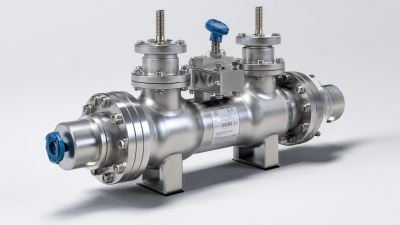
A split-body ball valve uses a spherical closure element held between two bolted body sections. The ball contains a drilled passage. When aligned with the pipeline, it permits full flow. A quarter-turn rotates the passage away from the line, stopping the medium quickly.

This design supports practical maintenance. Technicians can separate the body, inspect seats, and replace internal parts without discarding the entire valve. That advantage matters in water treatment, chemical processing, and energy facilities. The Global Ball Valve Market report by Fortune Business Insights estimated the market at about USD 11.9 billion in 2023. It also projects continued growth through 2032. Demand alone does not guarantee quality.

During operation, the stem transfers torque from the handle or actuator to the ball. Soft seats usually provide tight shutoff for compatible fluids. Metal seats tolerate higher temperatures and abrasive service, but they may require more careful alignment. ISO 17292 addresses metallic ball valve design and testing requirements. Buyers should also examine pressure class, body material, bore size, seat compatibility, and fire-safe certification where applicable. A common mistake is choosing by pipe diameter alone. That is not enough. Flow velocity, temperature changes, cycling frequency, and available maintenance space also affect service life. Split bodies simplify access, yet every reassembly needs correct bolt tightening and gasket control. In real plants, small installation errors often create large leakage problems.
Key Features That Define a High-Quality Split-Body Ball Valve

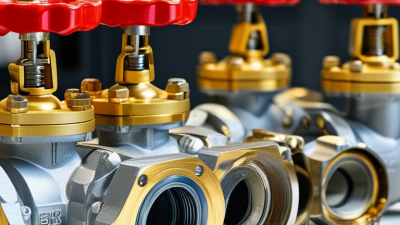
A high-quality split-body ball valve starts with pressure integrity, not appearance. The body should use forged or cast metal with controlled grain structure, accurate machining, and a reliable center-body seal.

According to ISO 5208, production valves require defined leakage-rate testing, while API 6D emphasizes pressure testing, safe isolation, and documented inspection. These checks matter when a valve sits beneath insulation, where a small leak can remain unnoticed.

The ball should rotate smoothly without scraping the seats. Reinforced PTFE or engineered polymer seats can reduce friction, but material selection must match temperature, pressure, and fluid chemistry.

A 2024 MarketsandMarkets analysis identifies energy, water, and chemical processing as major drivers of industrial valve demand. That growth increases the need for traceable materials, corrosion-resistant stems, and anti-static continuity.

Small details matter.

Look for a blowout-resistant stem, double-block-and-bleed capability, and a visible position indicator. Fire-safe construction should be verified against recognized testing requirements, not claimed from appearance.

I would not treat a heavier valve as automatically better. Weight can hide poor sealing or unnecessary metal.

In field inspections, bolt accessibility and gasket replacement often matter more than polished surfaces. The best split-body design makes maintenance predictable, records readable, and failure difficult to ignore.

Seven Leading Split-Body Ball Valve Options for Global Buyers

Global buyers often need split-body ball valves that survive transport, installation, and demanding service conditions. A practical selection starts with pressure class, temperature range, fluid chemistry, and connection size. Split-body construction allows easier inspection and seat replacement than many compact designs. That matters in remote plants. It also adds bolted joints, so torque control and gasket quality deserve close attention.

Seven leading options cover common project needs:

forged carbon steel for high mechanical strength;
cast carbon steel for economical large-diameter service;
stainless steel for corrosive fluids;
full-bore designs for low pressure loss;
reduced-bore designs for lighter weight;
flanged-end valves for frequent maintenance;
and welded-end valves for compact, permanent piping.

Each option has limits. Stainless steel does not solve every chemical compatibility problem. A full-bore valve may also increase purchase cost and operating weight.

Field experience shows that documentation can matter as much as metal selection. Request material certificates, pressure-test records, dimensional drawings, and traceable serial data. Check whether the seat material matches the actual medium, not only the catalog description. Review actuator torque margins under low-temperature conditions. Small details matter.

One overlooked risk is inconsistent installation practice. Poor alignment can stress the body and shorten seat life. I have seen attractive specifications fail during commissioning because the pipeline was not supported correctly. Buyers should also verify regional flange standards, spare-part availability, coating requirements, and local inspection expectations before approving the purchase.

How to Compare Materials, Pressure Ratings, and Connection Types

When evaluating split body ball valves, start with the fluid, temperature, and corrosion risk. Carbon steel suits many general industrial services and offers strong mechanical performance. Stainless steel performs better with moisture, chemicals, and hygienic applications. Brass may fit lower-pressure water or utility systems, but it needs careful temperature review. Material selection is not only about the body. Seats, seals, and stem materials can determine service life.

Pressure ratings require closer attention than a single number on a datasheet. Compare the stated rating with operating temperature, pressure cycling, and the actual medium. A valve marked Class 600 may not maintain that rating at elevated temperatures. PN and Class systems are not interchangeable without checking the governing standard.

Ask for pressure-test records, material certificates, and traceability documents. Testing matters.

Connection type affects installation time and future maintenance. Flanged ends simplify removal and suit larger pipelines, but they need correct gasket alignment and bolt tightening. Threaded ends are compact and practical for smaller lines, although damaged threads can create difficult leaks. Welded connections provide a permanent joint and reduced leak paths, yet they require qualified procedures and inspection. Split-body construction can make repairs easier, but bolts and seals still need controlled reassembly.

I have seen buyers compare only size and price. That shortcut often misses the real risk. Fit matters. Loose assumptions need review.

Global Purchasing Factors: Standards, Suppliers, Pricing, and Support

Choosing the seven best split body ball valves requires more than comparing catalog prices. Global buyers should verify API 608, ASME B16.34, ISO 5211, and API 6D requirements. Each standard serves a different duty. Confirm pressure class, bore design, body material, seat rating, and temperature range. For pipeline service, documentation and testing records matter as much as the valve itself.

Supplier reliability deserves equal attention. UNCTAD’s Review of Maritime Transport reports that over 80% of global merchandise trade moves by sea. Delays can therefore affect both delivery schedules and project costs. Request factory test reports, material certificates, dimensional drawings, and clear lead-time commitments. Compare total landed cost, including freight, duties, inspection, spare parts, and local technical support. The lowest quotation is not always economical. I have seen small documentation gaps create expensive approval delays. That lesson is easy to overlook.

Tips: Build a comparison sheet for all seven candidates. Record standards, pressure ratings, actuation options, warranty terms, and response times. Ask suppliers to explain price changes, not merely revise quotations. Review recent third-party inspection records when available. Support quality can be measured practically: response within one business day, replacement-seat availability, and useful installation guidance. These details are imperfect indicators, but they reveal how a supplier may perform after payment.

7 Best Split Body Ball Valves for Global Buyers - Global Purchasing Factors: Standards, Suppliers, Pricing, and Support
Rank & Best Use Recommended Valve Configuration Typical Materials Common Standards Size & Pressure Range Indicative Unit Price* Typical MOQ Lead Time Global Purchasing Advantages
1. Best Overall
General industrial services
Two-piece split body, floating ball, full-port design, bolted or threaded body WCB carbon steel body; 316 stainless steel ball and stem; PTFE seats ASME B16.34; API 608; ISO 5211 mounting; ASME B16.5 flanges DN15–DN300 (½–12 in)
Class 150–600
US$18–US$420 10–50 pieces 20–35 days after approval Broad availability, easy actuator automation, strong balance of cost and performance, and suitable for water, air, oil, and many non-corrosive fluids.
2. Best for Corrosive Media
Chemical and water-treatment lines
Two-piece split body, full-port floating ball, anti-static stem option CF8M or equivalent 316 stainless steel body, ball, and stem; PTFE or reinforced PTFE seats ASME B16.34; API 608; ISO 5211; EN 12516 where specified DN15–DN200 (½–8 in)
Class 150–300
US$35–US$680 10–30 pieces 25–45 days Better resistance to chlorides, mildly aggressive chemicals, and humid environments; request material certificates and corrosion compatibility confirmation.
3. Best for Natural Gas
Fuel gas and transmission support systems
Fire-safe, two-piece split body, reduced- or full-port floating ball, blowout-proof stem Carbon steel or stainless steel body; stainless steel trim; graphite packing; fire-safe soft seats API 608; API 607 or ISO 10497; ISO 15848-1 for fugitive emissions when required DN15–DN300 (½–12 in)
Class 150–600
US$45–US$950 5–25 pieces 30–50 days, including testing Appropriate for combustible-gas systems when the specification includes fire testing, anti-static continuity, low-emission packing, and pressure testing.
4. Best for High-Temperature Service
Steam, thermal oil, and process heating
Two-piece split body with extended stem, fire-safe construction, graphite sealing package Carbon steel or stainless steel body; metal-compatible trim; graphite or high-temperature seat options ASME B16.34; API 608; API 607 or ISO 10497; ASME B16.10 face-to-face dimensions DN15–DN200 (½–8 in)
Class 150–600
Service temperature commonly up to approximately 200–260°C, depending on seats
US$55–US$1,150 5–20 pieces 35–55 days Extended stems help protect packing from heat; buyers should verify pressure-temperature ratings and avoid assuming PTFE seats are suitable for steam or high-temperature service.
5. Best for Export Projects
Multi-country EPC and replacement orders
Flanged two-piece split body, standardized face-to-face dimensions, ISO 5211 actuator pad WCB carbon steel or CF8M stainless steel; PTFE seats; stainless steel stem ASME B16.34; API 608; ASME B16.5; ASME B16.10; ISO 5211; NACE MR0175/ISO 15156 when specified DN25–DN300 (1–12 in)
Class 150–600
US$30–US$780 10–50 pieces 25–45 days Easier document harmonization across regions; request dimensional drawings, EN 10204 3.1 material certificates, hydrostatic and seat-test reports, and country-specific markings.
6. Best Value Option
Utility, HVAC, compressed air, and irrigation
Threaded or wafer-style two-piece split body, reduced-port or full-port floating ball Brass, stainless steel, or carbon steel body; PTFE seats; stainless steel stem Applicable dimensional and pressure requirements under ASME B16.34 or EN 12516; ISO 5211 for automated versions DN15–DN100 (½–4 in)
Commonly PN16–PN40 or Class 150
US$8–US$160 50–200 pieces 15–30 days Lowest acquisition cost and short production cycle; suitable for clean, non-abrasive services when pressure, temperature, and chemical compatibility are confirmed.
7. Best for Automated Systems
Process control and remote operation
Two-piece split body with ISO 5211 mounting pad, anti-static device, lockable handle option, pneumatic or electric actuator package Carbon steel or 316 stainless steel body; stainless steel trim; PTFE, reinforced PTFE, or fire-safe seats API 608; ASME B16.34; ISO 5211; IEC 60529 for enclosure protection; IEC 60079 where hazardous-area certification is required DN15–DN250 (½–10 in)
Class 150–600
US$95–US$1,850
including standard actuator package
5–20 complete sets 35–60 days Reduces field integration work; confirm actuator torque margin, fail position, duty cycle, voltage, control signal, IP rating, and hazardous-area requirements before ordering.

*Indicative purchasing ranges in USD for standard configurations, excluding freight, duties, taxes, special coatings, certification charges, and customized actuators. Final pricing depends on size, pressure class, materials, end connections, testing, certification, order quantity, and delivery terms.