2026 Best Pneumatic Operated Ball Valve Reviews and Buyer Guide?
In the evolving world of industrial automation, the importance of the Pneumatic Operated Ball Valve cannot be overstated. Experts emphasize its efficiency and reliability. Dr. John Smith, a leading authority in fluid control systems, stated, "Pneumatic Operated Ball Valves are essential for optimizing process flow." This reinforces the role these valves play in various applications.
The 2026 Best Pneumatic Operated Ball Valve Reviews and Buyer Guide aims to enlighten purchasers. Choosing the right valve can greatly impact system performance. Features to consider include construction materials, operating pressure, and compatibility with existing machinery. Not every product on the market is equal. Factoring in these aspects can lead to increased longevity and reduced maintenance costs.
Additionally, it's essential to remain open to continuous improvement. Industries face evolving challenges that demand innovation. As technology advances, so must the solutions we employ. The integration of AI in procurement processes, particularly highlighted at events like the Canton Fair, signals a shift in how we approach equipment sourcing. These developments encourage us to reflect on our current practices and adapt accordingly.

Overview of Pneumatic Operated Ball Valves: Types and Applications
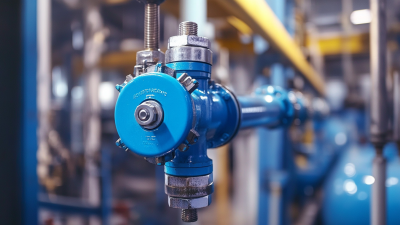
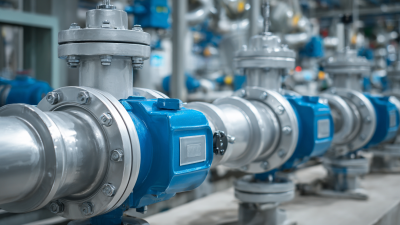
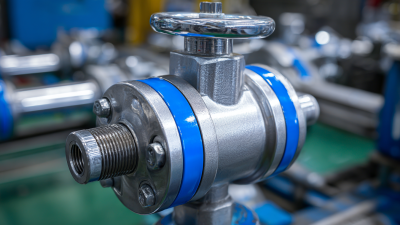
Pneumatic operated ball valves are essential in various industries. They use pressurized air to operate, providing quick and efficient control over fluid flow. These valves can handle a wide range of fluids, including water, gas, and oil. Their ability to open and close rapidly makes them ideal for automated setups.
There are different types of pneumatic operated ball valves. The two-way valve allows flow in one direction, while the three-way valve can divert flow. Installation varies depending on the type. This can be cumbersome for some applications. It is crucial to select the right type based on specific needs.
Applications span from manufacturing to water treatment. Valves are used in pipeline systems, chemical processing, and HVAC systems. However, users often overlook maintenance. A lack of regular checks can lead to performance issues. Understanding your system helps in selecting the best valve for efficient operation.
Pneumatic Operated Ball Valve Types and Applications
Key Features to Consider When Choosing Pneumatic Operated Ball Valves
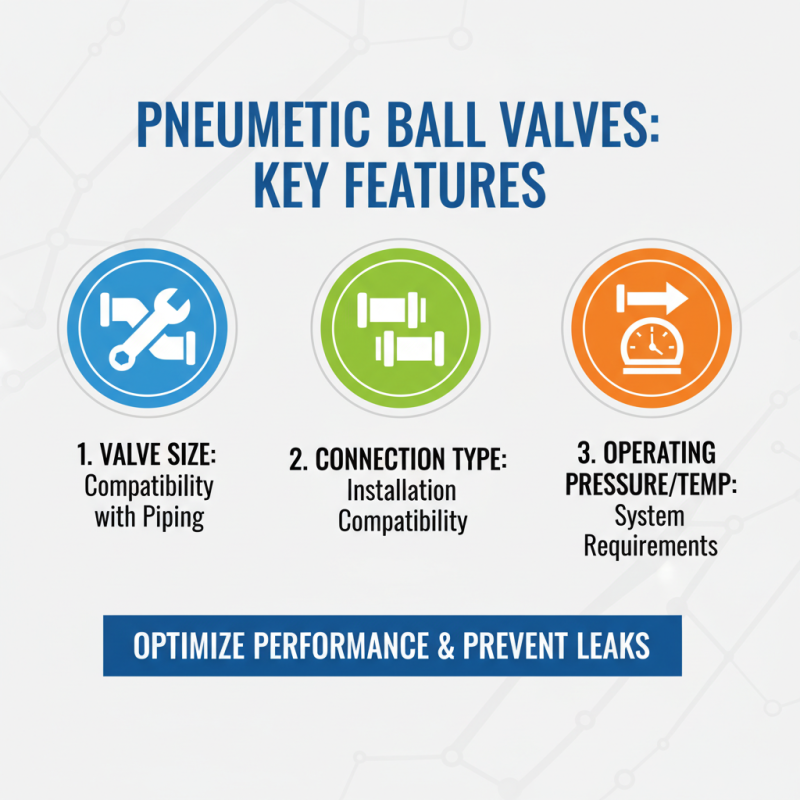
When choosing pneumatic operated ball valves, several key features deserve attention. Consider the valve size and how it fits into your existing piping systems. A mismatch can lead to leaks or reduced efficiency. Pay close attention to the connection type as well. It should be compatible with your installation. This detail can impact performance significantly.
Another essential aspect is the material used in the valve construction. Common options include stainless steel, brass, and plastic. Each material has its strengths and weaknesses. For example, brass is durable but may corrode in certain environments. On the other hand, plastic is lightweight and resistant to some chemicals but may not withstand high pressure. Keep these factors in mind to avoid costly mistakes.
Actuator type is also crucial. Pneumatic actuators come in various designs, including double-acting and spring-return models. Your selection should depend on the specific application requirements. Not all valves operate equally in all sectors, which is a common oversight. Be mindful of the working environment, as this can greatly affect valve performance and lifespan.
Top Brands and Models of Pneumatic Operated Ball Valves in 2026
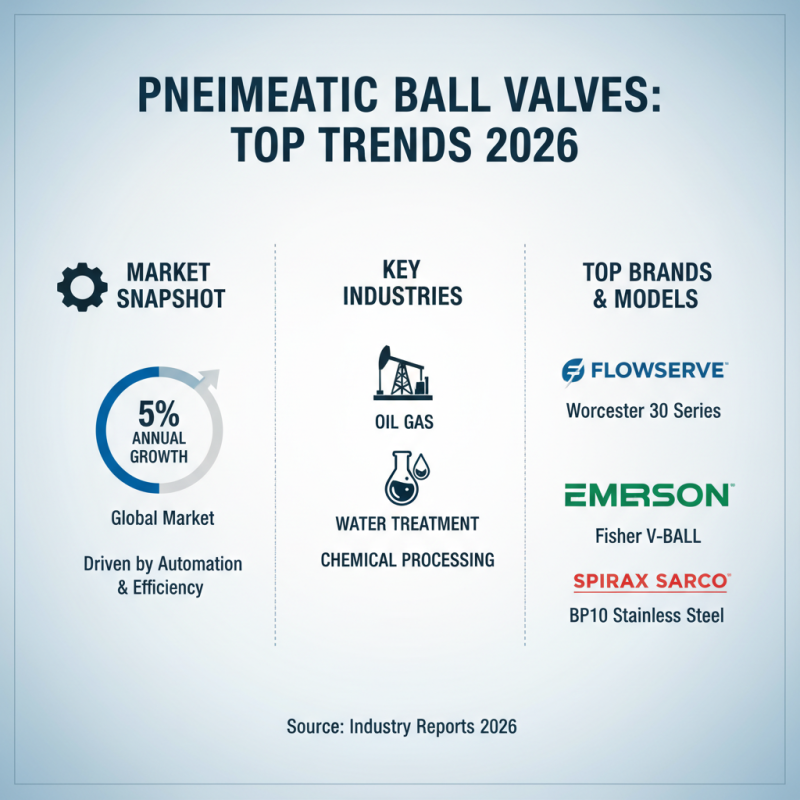
In 2026, the market for pneumatic operated ball valves continues to evolve. Industry reports highlight that these valves are popular in sectors like oil and gas, water treatment, and chemical processing. A study shows that the global market is projected to grow by 5% annually. This growth is driven by the increasing demand for automation and efficiency.
Top brands in 2026 focus on reliability and performance. Key features to consider include the valve material and actuation type. Reports indicate that stainless steel models are preferred due to their durability. However, some users report challenges with maintenance. The complexity of installation can also raise concerns. Effective training for operators is vital to mitigate these issues.
When selecting a pneumatic operated ball valve, think about your specific needs. Review the valve sizing and operational pressure requirements. Comparing models can uncover which features provide the best return on investment. Balancing performance and cost is crucial, as some lower-end models may not offer the longevity expected.
Installation and Maintenance Tips for Pneumatic Operated Ball Valves
Pneumatic operated ball valves are essential in many industries due to their efficiency. Installation is a critical step. Proper alignment with piping is vital. Research indicates that misalignment can reduce performance by 30%. Ensure the valve is level and supported to prevent leaks.
Maintenance procedures must be regular and thorough. Inspect seals and packing for wear every few months. A study found that 15% of valve failures are due to neglected maintenance. Use the right lubricants during upkeep to enhance performance. Trained professionals should handle repairs to avoid further complications.
Not every installation is perfect. Sometimes valves face unexpected pressure or temperature changes. These factors can lead to failures if not monitored closely. Regular inspections can help catch potential issues early. Keeping a maintenance log can provide insights into recurring problems.
2026 Best Pneumatic Operated Ball Valve Reviews and Buyer Guide
| Model |
Size (inches) |
Material |
Pressure Rating (PSI) |
Temperature Range (°F) |
Features |
Price ($) |
| Model A |
1.5 |
Stainless Steel |
150 |
-20 to 200 |
Automated Control, Compact Design |
250 |
| Model B |
2 |
Brass |
200 |
0 to 300 |
High Flow Rate, Corrosion Resistant |
300 |
| Model C |
3 |
PVC |
100 |
-10 to 140 |
Lightweight, Chemical Resistant |
150 |
| Model D |
0.75 |
Aluminum |
120 |
-40 to 180 |
Compact Design, Easy Installation |
180 |
| Model E |
4 |
Stainless Steel |
200 |
-20 to 250 |
High Durability, Fire Safe |
500 |
Customer Reviews and Feedback: What Users Are Saying in 2026
In 2026, user feedback on pneumatic-operated ball valves highlights both performance and challenges. Many customers appreciate the ease of operation. They find these valves reliable for various applications. Some users noted improvements in efficiency and reduced maintenance times. Positive reviews praised their ability to provide consistent flow control.
However, not all experiences were flawless. A few customers reported issues with leakage after prolonged use. The need for regular inspections was emphasized by several users. Some expressed disappointment with the installation process, finding it more complicated than expected. Concerns about compatibility with existing systems were also noted.
Amidst these mixed reviews, the importance of selecting the right valve for specific applications remains clear. Users are encouraged to carefully consider their needs and conduct thorough research. As always, staying informed through community feedback can guide better purchasing decisions.