2026 Best Pneumatic Operated Ball Valve Buyers Guide?
In the world of industrial automation, the importance of a reliable Pneumatic Operated Ball Valve cannot be overstated. Experts, like Dr. Emily Chen, a leader in valve technology, emphasize, “Selecting the right pneumatic valve is key to system efficiency.” Her insights highlight the critical role that these valves play in various applications.
Pneumatic Operated Ball Valves offer efficiency and control. However, not all products are created equal. Buyers need to understand specifications and design features. It’s easy to get overwhelmed by choices available in the market. Many consumers overlook crucial factors that influence performance.
In the upcoming 2026 Best Pneumatic Operated Ball Valve Buyers Guide, we aim to simplify this process. We will provide insights rooted in industry expertise. Understanding each option's unique attributes can prevent costly mistakes. Making informed decisions ensures the long-term success of your operations. This guide will serve as a reliable resource for navigating the complexities of purchasing Pneumatic Operated Ball Valves.
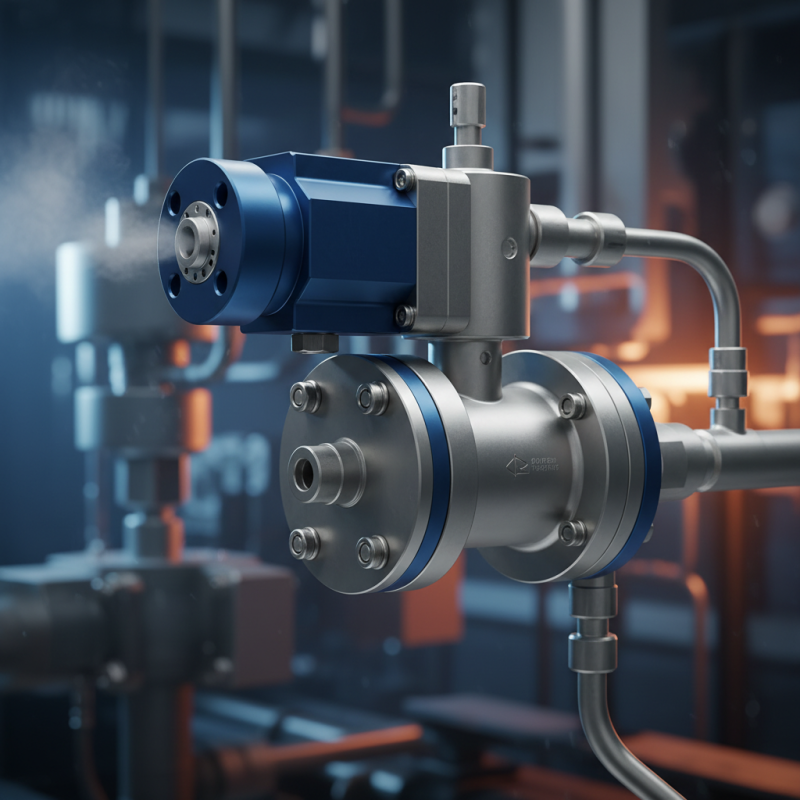
Understanding Pneumatic Operated Ball Valves: A Comprehensive Overview
Pneumatic operated ball valves play a crucial role in various industrial applications. They offer efficient performance, precision control, and reliable sealing. Understanding their components and operation is essential for effective utilization. A typical pneumatic ball valve consists of a spherical disc, a valve body, and an actuator. The actuator uses compressed air to rotate the ball. This design allows for quick open and close cycles.
When selecting a pneumatic operated ball valve, consider the material, size, and pressure ratings. Different materials such as stainless steel and brass provide varying levels of corrosion resistance. The size impacts flow rates, while pressure ratings indicate the maximum safe operating conditions. Installation requires careful attention to alignment and support, which can often be overlooked.
Maintenance is another important aspect. Regular inspections can prevent leaks and malfunctions. Operators should be aware of common issues like actuator failure or seal wear. These can compromise system efficiency. Make it a habit to check performance periodically. Awareness of potential problems will enhance reliability in the long run.
Key Features to Consider When Choosing Pneumatic Operated Ball Valves
When selecting pneumatic operated ball valves, key features are critical to ensure optimal performance.
Start with the valve size. A common mistake is choosing the wrong size. This can impact flow capacity and system efficiency.
According to industry reports, 30% of system failures stem from improper sizing.
Another vital aspect is the actuator type. Pneumatic actuators come in various designs.
Choosing the right one depends on application needs, such as stroke speed and torque output.
A study by Valve World indicates that up to 40% of users prioritize actuator response time.
Failing to consider this can lead to delays and inefficiencies.
Material selection plays a crucial role too. The material affects durability and compatibility with media.
For instance, stainless steel is often recommended for corrosive environments.
However, not all stainless steel grades are equal. Research by the Flow Control Association shows that 25% of failures arise from corrosion in inappropriate materials.
These factors highlight the importance of thorough research and understanding before making a purchase.
Top Brands and Manufacturers of Pneumatic Operated Ball Valves in 2026
When selecting pneumatic operated ball valves, understanding the top brands and manufacturers is essential. The global market for these valves is projected to reach $4.5 billion by 2026. This growth stems from increasing automation across industries. Pneumatic valves are known for their reliability and quick operation. More companies are embracing these features.
Many manufacturers focus on improving materials and designs. Advanced materials ensure better performance and longevity. A report by the Valve Manufacturers Association highlights that 70% of industries prefer valves with higher durability ratings. Several companies now emphasize environmental sustainability in their production methods. However, not all brands meet these expectations.
Choices and performance vary widely. Some valves excel in specific environments, while others might fail under similar conditions. This discrepancy can confuse buyers. Industry experts warn about the importance of evaluating both performance and cost. Compromises often lead to increased maintenance costs later. Understanding each brand's strengths is crucial for making an informed decision.
Maintenance Tips for Increasing the Lifespan of Pneumatic Ball Valves
Maintaining pneumatic operated ball valves is crucial for their longevity. Regular inspections are necessary. Check for any signs of wear and tear, especially in the seals. If seals show any damage, replace them promptly to avoid leaks. This small step can save you from bigger problems later. Ensure that the valve is properly lubricated. Use the recommended lubricant for optimal performance.
Environmental factors also play a significant role in valve health. If the valve is exposed to dust or corrosive materials, it may deteriorate faster. Regular cleaning can prevent unnecessary buildup. Pay attention to the actuator. Ensure it's functioning correctly. A malfunctioning actuator can lead to improper valve operation, which may cause system failures.
Monitoring the operating conditions is key. Keep an eye on pressure levels and temperature ranges. Operating outside of recommended limits can lead to premature failure. Documenting maintenance and performance data can help in identifying issues early. This proactive approach fosters reliability and efficiency. It's not just about fixing problems but also about preventing them.
Common Applications and Industries Utilizing Pneumatic Operated Ball Valves
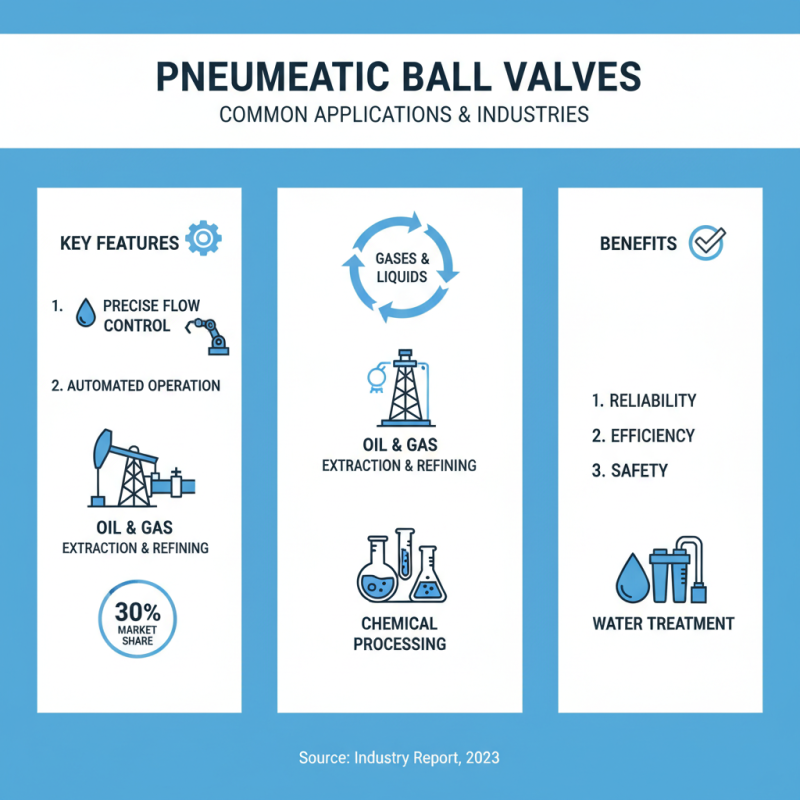
Pneumatic operated ball valves are essential in numerous industries. They enable precise flow control for gases and liquids. These valves find applications in oil and gas, chemical processing, and water treatment sectors. For example, the oil and gas industry relies heavily on these valves during extraction and refining. According to a recent report, over 30% of the market share is held by this industry alone.
In chemical manufacturing, pneumatic valves ensure safe, reliable operation. They are crucial in handling corrosive substances. Research shows that the global chemical processing market is projected to grow by 5% annually. This growth drives demand for efficient control systems, including pneumatic valves.
Water treatment facilities also utilize pneumatic ball valves extensively. These valves help manage flow rates and pressure, contributing to efficient plant operations. However, a common challenge is maintaining proper maintenance schedules. This issue can lead to unexpected failures and costly downtime. Although advancements in automation are promising, stakeholders must remain vigilant in monitoring valve performance. Understanding these applications highlights the critical role of pneumatic operated ball valves across industries.